
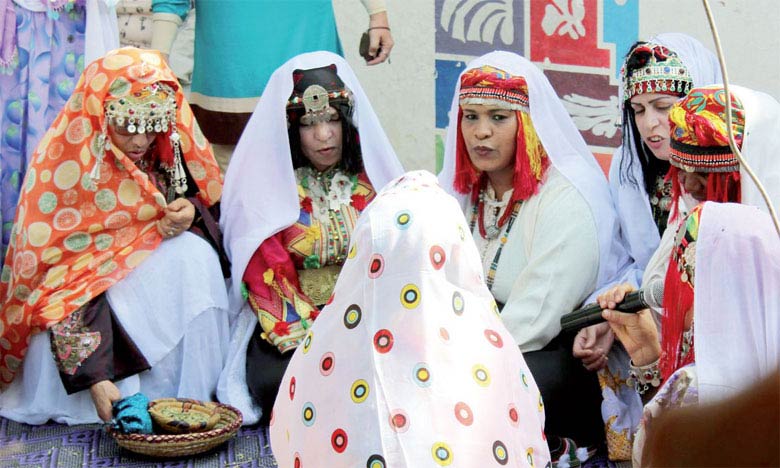
The Rich History of Berbers in Morocco
Morocco’s cultural tapestry is intricately woven with the vibrant threads of Berber history. The Berbers, also known as the Amazigh people, are the indigenous inhabitants of North Africa, including Morocco. Their presence in the region dates back thousands of years, making them an integral part of Morocco’s heritage.
Ancient Origins
The history of the Berbers in Morocco can be traced back to ancient times when they established powerful kingdoms and thriving communities. Their resilience and adaptability allowed them to flourish in diverse landscapes, from the rugged Atlas Mountains to the Sahara desert.
Cultural Influence
The Berber culture is characterised by its unique language, traditions, and craftsmanship. Artisanal skills such as carpet weaving, pottery making, and jewellery crafting have been passed down through generations, preserving their cultural identity amidst changing times.
Resistance and Resilience
Throughout history, the Berbers have played a significant role in shaping Morocco’s socio-political landscape. From resisting foreign invasions to championing their rights for autonomy, the Berber people have shown remarkable resilience in preserving their way of life.
Modern Revival
In recent years, there has been a renewed interest in celebrating and preserving Berber heritage in Morocco. Festivals showcasing traditional music and dance, as well as efforts to revitalise local languages and customs, are contributing to a cultural renaissance among the Berber communities.
Conclusion
The story of the Berbers in Morocco is a testament to their enduring spirit and cultural richness. As custodians of a vibrant past and architects of a promising future, the Berber people continue to inspire generations with their legacy of resilience, creativity, and unwavering pride in their heritage.
Exploring the Rich Heritage of Morocco’s Berber History: 8 Fascinating Insights
- Berbers are indigenous people of North Africa, including Morocco.
- Berber tribes have a long and rich history in Morocco, dating back thousands of years.
- The Berbers have their own language known as Tamazight.
- Berber culture in Morocco is diverse, with different tribes having unique traditions and customs.
- The Atlas Mountains in Morocco have been home to many Berber communities for centuries.
- Berbers played a significant role in resisting foreign invasions and preserving their cultural identity.
- Traditional Berber crafts such as carpet weaving and pottery are still practiced in Morocco today.
- Visiting Berber villages can provide a glimpse into their traditional way of life and hospitality.
Berbers are indigenous people of North Africa, including Morocco.
The Berbers, recognised as the indigenous people of North Africa, hold a significant place in Morocco’s cultural landscape. With roots deeply embedded in the region’s history, they have played a pivotal role in shaping the traditions and heritage of Morocco. The Berber communities’ enduring presence and influence across the country highlight their rich cultural legacy that continues to thrive amidst modern times.
Berber tribes have a long and rich history in Morocco, dating back thousands of years.
Berber tribes have a long and rich history in Morocco, dating back thousands of years. Their enduring presence in the region has shaped the cultural landscape and traditions of Morocco, showcasing a legacy of resilience, creativity, and community bonds that have stood the test of time. The Berbers’ deep connection to the land and their unique customs reflect a vibrant heritage that continues to thrive in modern-day Morocco, offering a glimpse into an ancient civilisation that has left an indelible mark on the country’s identity.
The Berbers have their own language known as Tamazight.
The Berbers in Morocco have preserved their cultural identity through their own language known as Tamazight. This ancient language reflects the rich heritage and unique traditions of the Berber people, serving as a symbol of their resilience and distinctiveness within Morocco’s diverse cultural landscape. Through the preservation and continued use of Tamazight, the Berbers honour their roots and maintain a strong connection to their ancestral past.
Berber culture in Morocco is diverse, with different tribes having unique traditions and customs.
Berber culture in Morocco is a tapestry of diversity, where each tribe weaves its own unique traditions and customs into the vibrant fabric of the nation. From the Atlas Mountains to the coastal regions, the rich tapestry of Berber heritage is adorned with a kaleidoscope of rituals, languages, and artistic expressions that reflect the distinct identities of each tribe. This diversity not only enriches Morocco’s cultural landscape but also serves as a testament to the resilience and creativity of the Berber people throughout history.
The Atlas Mountains in Morocco have been home to many Berber communities for centuries.
Nestled within the rugged terrain of Morocco, the Atlas Mountains have served as a sanctuary for numerous Berber communities for centuries. These ancient mountain ranges not only provide a breathtaking backdrop to the landscape but also hold the stories, traditions, and resilience of the Berber people who have called them home. The Atlas Mountains stand as a testament to the enduring connection between the Berbers and their ancestral lands, showcasing a harmonious coexistence between nature and culture that has shaped Morocco’s rich history.
Berbers played a significant role in resisting foreign invasions and preserving their cultural identity.
The Berbers have been instrumental in safeguarding their cultural heritage and autonomy by actively resisting foreign invasions throughout history. Their unwavering determination to preserve their unique identity has not only shaped Morocco’s socio-political landscape but also served as a powerful symbol of resilience and pride within the Berber communities.
Traditional Berber crafts such as carpet weaving and pottery are still practiced in Morocco today.
Traditional Berber crafts, including the intricate art of carpet weaving and pottery making, continue to thrive in Morocco to this day. These time-honoured practices not only showcase the Berbers’ exceptional artisanal skills but also serve as a living testament to their rich cultural heritage. Through these crafts, the Berber people preserve their traditions and pass down their ancestral knowledge from one generation to the next, ensuring that their unique artistic legacy remains vibrant and cherished in modern-day Morocco.
Visiting Berber villages can provide a glimpse into their traditional way of life and hospitality.
Exploring Berber villages in Morocco offers a captivating insight into the traditional way of life and warm hospitality of the Berber people. From mud-brick houses nestled in the Atlas Mountains to lush valleys dotted with agriculture, each village tells a story of resilience and community spirit. Engaging with locals, sampling traditional cuisine, and witnessing age-old customs firsthand allow visitors to immerse themselves in a cultural experience that is as authentic as it is enriching.
Related Posts
Top Marrakech Holiday Tips for an Unforgettable Experience
Marrakech Holiday Tips Essential Tips for Your Marrakech Holiday Planning…

Explore Exciting Chef Courses Near Me: Ignite Your Culinary Passion Today!
Embark on a Culinary Journey: Chef Courses Near You Are…
Chasing the Sunset: Quad Biking Adventure in Marrakech
Sunset Quad Biking in Marrakech The Thrill of Sunset Quad…