
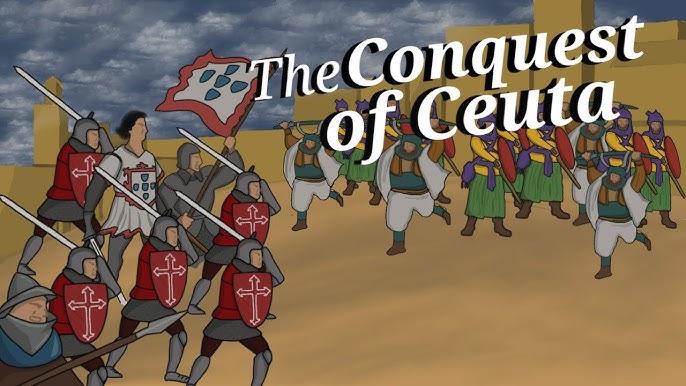
The Moroccan-Ottoman War: A Historical Conflict
The Moroccan-Ottoman War, also known as the Saadi–Ottoman War, was a series of conflicts that took place between the Saadi Sultanate of Morocco and the Ottoman Empire during the 16th and early 17th centuries. This war marked a significant period in North African history, shaping the political landscape of the region.
Origins of the Conflict
The roots of the Moroccan-Ottoman War can be traced back to territorial disputes and competition for control over trade routes in North Africa. The Saadi Sultanate sought to maintain its independence and resist Ottoman expansion into its territories, leading to clashes between the two powers.
Key Battles and Events
One of the major battles of the conflict was the Battle of Wadi al-Laban in 1578, where Ottoman forces under Aruj Barbarossa clashed with Moroccan troops led by Sultan Abdallah al-Ghalib. The Moroccans emerged victorious in this battle, dealing a significant blow to Ottoman ambitions in North Africa.
Another notable event was the Siege of Fes in 1576, where Ottoman forces attempted to capture the city of Fes but were ultimately repelled by Moroccan defenders. This siege highlighted the strategic importance of Fes as a key stronghold for the Saadi Sultanate.
Legacy and Impact
The Moroccan-Ottoman War had far-reaching consequences for both empires. While the conflict eventually subsided with diplomatic agreements and shifting alliances, it left a lasting impact on North African geopolitics. The Saadi Sultanate managed to maintain its autonomy against Ottoman encroachment, solidifying its position as a regional power.
Furthermore, the war demonstrated the complexities of power dynamics in North Africa during this period, with various factions vying for control over lucrative trade routes and strategic territories. The legacy of this conflict continues to influence historical narratives and scholarly discussions on early modern North African history.
In Conclusion
The Moroccan-Ottoman War stands as a testament to the intricate web of political rivalries and military engagements that characterised North Africa during the 16th century. By exploring this historical conflict, we gain valuable insights into the dynamics of power struggles and territorial disputes that shaped the region’s history.
Exploring the Moroccan-Ottoman War: Causes, Key Battles, Influential Figures, Diplomatic Efforts, and Lasting Impacts on North Africa
- What were the main causes of the Moroccan-Ottoman War?
- How did the Battle of Wadi al-Laban impact the outcome of the conflict?
- What role did Sultan Abdallah al-Ghalib play in the Moroccan-Ottoman War?
- Were there any significant diplomatic efforts to end the war between Morocco and the Ottoman Empire?
- What long-term effects did the Moroccan-Ottoman War have on North African politics and trade routes?
What were the main causes of the Moroccan-Ottoman War?
The main causes of the Moroccan-Ottoman War can be attributed to territorial disputes and competition for control over strategic trade routes in North Africa. The Saadi Sultanate of Morocco sought to assert its independence and resist Ottoman expansion into its territories, leading to tensions between the two powers. Additionally, conflicting interests in key cities and regions further fuelled the conflict, with both sides vying for dominance in the lucrative trade networks of the region. These factors, coupled with a complex web of political rivalries and ambitions for territorial expansion, ultimately culminated in the outbreak of hostilities between the Saadi Sultanate and the Ottoman Empire during the 16th and early 17th centuries.
How did the Battle of Wadi al-Laban impact the outcome of the conflict?
The Battle of Wadi al-Laban played a pivotal role in shaping the outcome of the Moroccan-Ottoman War. This significant engagement, which took place in 1578, saw the forces of the Saadi Sultanate of Morocco decisively defeat the Ottoman troops led by Aruj Barbarossa. The Moroccan victory at Wadi al-Laban dealt a severe blow to Ottoman ambitions in North Africa and bolstered the position of the Saadi Sultanate as a formidable regional power. The outcome of this battle not only demonstrated the military prowess of the Moroccans but also highlighted their ability to resist external threats and maintain their independence against Ottoman expansionism.
What role did Sultan Abdallah al-Ghalib play in the Moroccan-Ottoman War?
Sultan Abdallah al-Ghalib played a pivotal role in the Moroccan-Ottoman War, particularly during the Battle of Wadi al-Laban in 1578. As the leader of Moroccan forces, Sultan Abdallah al-Ghalib led his troops to a decisive victory against the Ottoman army under Aruj Barbarossa. His strategic acumen and leadership skills were instrumental in repelling Ottoman advances and safeguarding Moroccan territories from external threats. Sultan Abdallah al-Ghalib’s triumph in this significant battle solidified his reputation as a capable military commander and a defender of Moroccan sovereignty during a tumultuous period of regional conflicts.
Were there any significant diplomatic efforts to end the war between Morocco and the Ottoman Empire?
Throughout the Moroccan-Ottoman War, there were indeed significant diplomatic efforts made to end the conflict between Morocco and the Ottoman Empire. Both sides engaged in negotiations and sought diplomatic solutions to mitigate hostilities and reach a peaceful resolution. These efforts included mediation by other regional powers, treaties aimed at defining territorial boundaries, and diplomatic exchanges to address grievances and establish terms for potential ceasefires. Despite the challenges and complexities involved, these diplomatic endeavours played a crucial role in shaping the eventual outcomes of the war and influencing the dynamics of power in North Africa during that period.
What long-term effects did the Moroccan-Ottoman War have on North African politics and trade routes?
The Moroccan-Ottoman War had significant long-term effects on North African politics and trade routes. The conflict reshaped the political landscape of the region by highlighting the struggle for dominance between the Saadi Sultanate of Morocco and the Ottoman Empire. The war led to a reconfiguration of power dynamics, with the Saadi Sultanate asserting its independence and maintaining control over its territories. In terms of trade routes, the conflict influenced the strategic positioning of key trading hubs and maritime routes in North Africa. The outcome of the war played a crucial role in shaping future trade relationships and alliances in the region, impacting commerce and economic activities for years to come.
Related Posts

Exploring the Art of Handicraft Shopping: Unveiling Treasures from Around the World
The Art of Handicraft Shopping: Exploring Treasures from Around the…

Savour the Timeless Flavours of Traditional Moroccan Roast Lamb
Traditional Moroccan Roast Lamb The Delightful Flavours of Traditional Moroccan…

Savour the Flavours: Authentic Tagine Recipe Straight from Morocco
Delicious Tagine Recipe: A Taste of Morocco Delicious Tagine Recipe:…