
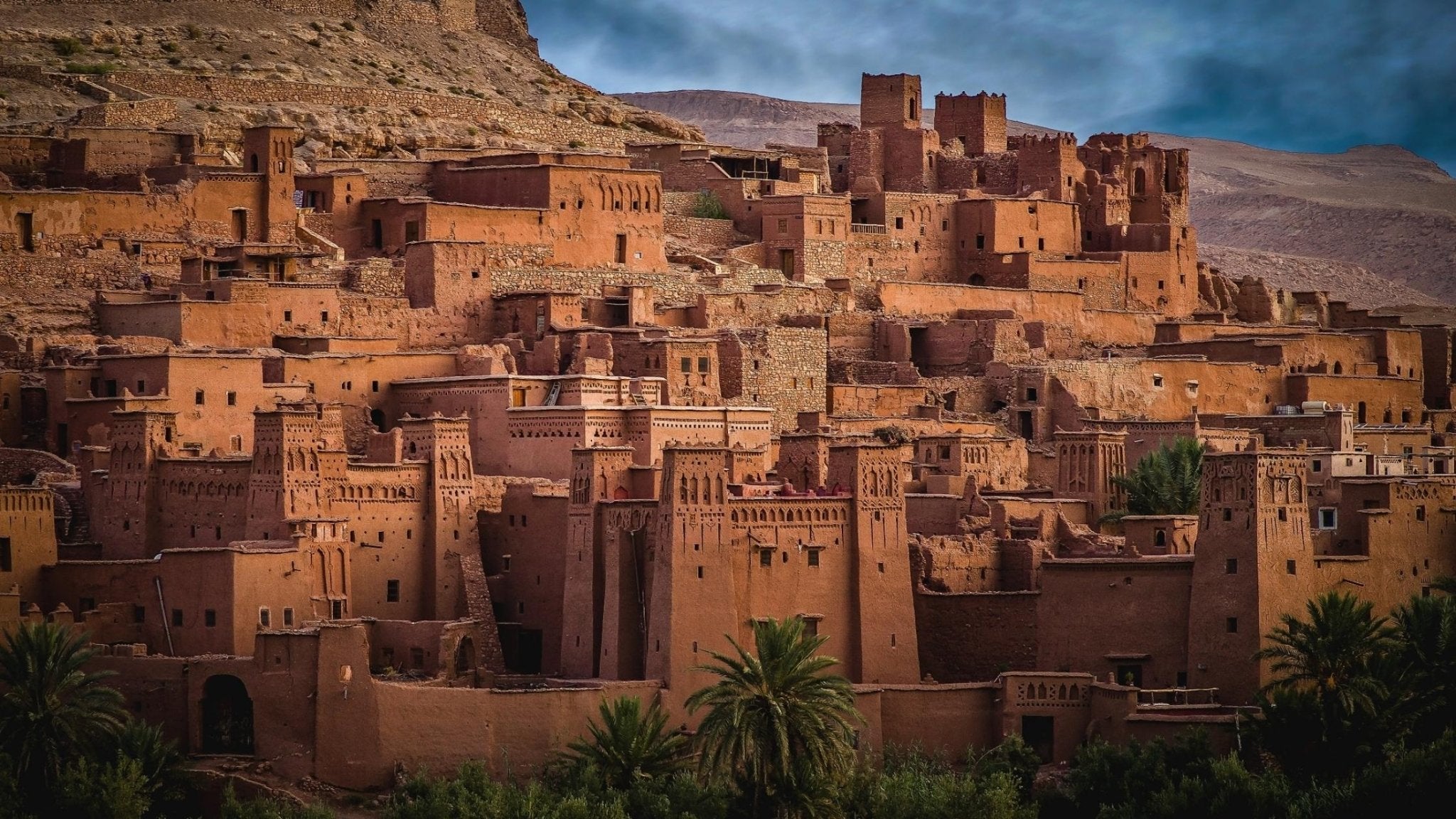
The Rich Tapestry of Morocco’s History
Nestled at the crossroads of Africa, Europe, and the Middle East, Morocco boasts a history as diverse and vibrant as its landscapes. From ancient Berber tribes to Arab conquerors and European colonizers, the country’s past is a tapestry woven with threads of conquest, trade, and cultural exchange.
Ancient Roots
The history of Morocco dates back thousands of years to the time of the Berber people who inhabited the region. These indigenous North African tribes established powerful kingdoms such as Mauretania and Numidia, known for their skilled horsemen and strategic trade routes that connected sub-Saharan Africa with the Mediterranean world.
Arab Conquest
In the 7th century AD, Arab armies swept across North Africa, introducing Islam to the region and establishing dynasties that would shape Morocco’s future. The Umayyad Caliphate and later the Almoravid and Almohad Empires brought architectural marvels like the Koutoubia Mosque in Marrakech and laid the foundations for Morocco’s unique blend of Berber and Arab cultures.
Colonial Era
By the 19th century, European powers vied for control over Morocco due to its strategic location and valuable resources. France and Spain established protectorates over different regions of the country, leading to a period of colonial rule marked by resistance movements like the Rif War in the early 20th century.
Independence and Modern Day
Morocco regained its independence in 1956 under King Mohammed V after years of struggle against colonial powers. The country has since embarked on a path of modernization while preserving its rich cultural heritage. Today, Morocco is known for its bustling souks, stunning architecture, and warm hospitality that continue to attract visitors from around the world.
Cultural Legacy
The legacy of Morocco’s history is evident in every corner of the country—from the intricate mosaics of Fes to the desert kasbahs of Ouarzazate. Traditional music, art, cuisine, and festivals all reflect a blend of influences that have shaped Morocco into a melting pot of cultures.
As you traverse this enchanting land, remember that every step you take is on ground steeped in centuries-old stories of conquests, trade routes, and cultural exchanges. Morocco’s history is not just a tale written in books but a living narrative woven into its vibrant present.
Exploring Morocco’s Rich History: From Ancient Berber Civilisations to Modern Cultural Marvels
- Rich heritage of ancient Berber civilizations
- Influence of Arab conquests in shaping Moroccan identity
- Architectural marvels from the Almoravid and Almohad Empires
- Strategic location at the crossroads of Africa, Europe, and the Middle East
- Cultural diversity resulting from centuries of trade and exchange
- Resilience shown during resistance against European colonial powers
- Independence gained in 1956 after years of struggle
- Modernisation efforts while preserving traditional customs and values
- Warm hospitality and vibrant culture that continue to enchant visitors
Challenges and Complexities in Morocco’s Historical Journey: Unveiling the Cons
- Complex and often turbulent history marked by periods of conflict and conquest.
- Colonial legacy from European powers has left lasting socio-economic disparities.
- Challenges in preserving and protecting ancient historical sites and artifacts.
- Historical narratives may be subject to interpretation and revisionism over time.
- Struggles with balancing modernization efforts while maintaining cultural authenticity.
- Ongoing tensions between different ethnic groups and regions within the country.
Rich heritage of ancient Berber civilizations
The rich heritage of ancient Berber civilizations in Morocco is a testament to the enduring legacy of North Africa’s indigenous tribes. With roots dating back thousands of years, the Berbers established powerful kingdoms and developed sophisticated trading networks that connected diverse regions. Their contributions to art, architecture, and language have left an indelible mark on Morocco’s cultural landscape, with ancient sites like Volubilis and the Atlas Mountains serving as reminders of their once-thriving societies. Today, the Berber influence can be seen in traditional crafts, music, and festivals, preserving a heritage that continues to captivate visitors and locals alike with its timeless allure.
Influence of Arab conquests in shaping Moroccan identity
The Arab conquests played a pivotal role in shaping the unique Moroccan identity that we see today. With the arrival of Arab armies in the 7th century AD, Islam was introduced to the region, laying the foundation for a cultural fusion between Berber traditions and Arab customs. The establishment of dynasties such as the Almoravids and Almohads brought not only architectural marvels but also a new language, religion, and legal system to Morocco. This blending of Berber and Arab influences created a rich tapestry of customs, art, and beliefs that continue to define Moroccan culture. The legacy of Arab conquests can be seen in the ornate mosques, intricate calligraphy, and vibrant souks that dot the Moroccan landscape, showcasing a harmonious coexistence of diverse cultural elements.
Architectural marvels from the Almoravid and Almohad Empires
The architectural marvels from the Almoravid and Almohad Empires in Morocco stand as timeless testaments to the ingenuity and grandeur of these dynasties. From the iconic Koutoubia Mosque in Marrakech with its towering minaret to the intricately carved stucco work of the Ben Youssef Madrasa in Fes, these structures showcase a fusion of Berber, Arab, and Andalusian architectural styles. The Almoravid and Almohad Empires left a lasting legacy through their masterful use of geometric patterns, ornate calligraphy, and serene courtyards that continue to inspire awe and admiration among visitors and historians alike.
Strategic location at the crossroads of Africa, Europe, and the Middle East
Situated at the crossroads of Africa, Europe, and the Middle East, Morocco’s strategic location has played a pivotal role in shaping its history and cultural identity. This geographical position has made Morocco a melting pot of diverse influences, with trade routes crisscrossing its territory and connecting continents. The country’s proximity to major trading hubs has not only enriched its economy but also facilitated the exchange of ideas, languages, and traditions over centuries. Morocco’s unique position as a gateway between continents continues to be a driving force behind its dynamic blend of cultures and its enduring allure as a vibrant destination for travellers seeking to explore the intersection of diverse worlds.
Cultural diversity resulting from centuries of trade and exchange
The cultural diversity of Morocco is a testament to centuries of trade and exchange that have shaped the country’s identity. From the Berber tribes of ancient times to the Arab conquerors and European colonizers, Morocco has been a melting pot of influences that have left their mark on its art, architecture, cuisine, and traditions. The vibrant tapestry of Moroccan culture reflects a harmonious blend of Berber, Arab, African, and European elements, creating a unique and rich heritage that continues to captivate visitors from around the world.
Resilience shown during resistance against European colonial powers
Throughout its history, Morocco has demonstrated remarkable resilience in the face of European colonial powers. From the Rif War to the struggle for independence, Moroccans have shown unwavering determination to resist foreign domination and preserve their cultural identity. The courage and tenacity displayed during these challenging times not only shaped the country’s path towards sovereignty but also instilled a sense of national pride and unity among its people. The legacy of this resilience continues to inspire generations, serving as a testament to Morocco’s enduring spirit in the face of adversity.
Independence gained in 1956 after years of struggle
In 1956, Morocco achieved independence after enduring years of arduous struggle against colonial powers. The journey to freedom was marked by resilience, sacrifice, and unwavering determination as the Moroccan people fought for self-governance and sovereignty. The year 1956 stands as a pivotal moment in Morocco’s history, symbolizing the triumph of a nation’s spirit and the beginning of a new chapter of autonomy and self-determination.
Modernisation efforts while preserving traditional customs and values
Morocco’s unique pro lies in its delicate balance between modernisation efforts and the preservation of traditional customs and values. As the country strides towards progress and development, it does so with a deep-rooted commitment to honouring its rich cultural heritage. From the bustling metropolis of Casablanca to the ancient medinas of Fez, Morocco seamlessly blends contemporary infrastructure with age-old traditions, creating a harmonious tapestry where past and present coexist in perfect harmony. This commitment to maintaining its cultural identity while embracing innovation sets Morocco apart as a shining example of how tradition and modernity can thrive hand in hand.
Warm hospitality and vibrant culture that continue to enchant visitors
Morocco’s warm hospitality and vibrant culture form an irresistible allure that captivates visitors from around the globe. From the moment you set foot in this enchanting land, you are greeted with open arms and genuine smiles, making you feel like a treasured guest. The rich tapestry of Moroccan traditions, colourful festivals, and lively souks creates an immersive experience that awakens all your senses. Whether savouring a steaming cup of mint tea in a bustling market or getting lost in the intricate patterns of Moorish architecture, Morocco’s welcoming spirit and dynamic culture leave an indelible mark on every traveller who embarks on this unforgettable journey.
Complex and often turbulent history marked by periods of conflict and conquest.
Morocco’s intricate past is characterised by a tumultuous narrative of conflict and conquest, with periods of both internal strife and external invasions shaping its historical landscape. From the clashes between Berber tribes to the waves of Arab conquests and the struggles against European colonisers, the country has endured its share of turbulent times. These chapters of discord and domination have left a lasting imprint on Morocco’s identity, contributing to its rich tapestry of cultural diversity and resilience in the face of adversity.
Colonial legacy from European powers has left lasting socio-economic disparities.
The colonial legacy from European powers has cast a long shadow over Morocco, leaving behind enduring socio-economic disparities that continue to shape the country’s present-day landscape. The impact of French and Spanish colonization can be seen in disparities in wealth distribution, access to education, and opportunities for economic advancement. While Morocco has made strides towards development and modernization, the echoes of colonial rule are still felt in the uneven playing field that persists within society. Addressing these disparities remains a complex challenge as the country navigates its path towards a more equitable future.
Challenges in preserving and protecting ancient historical sites and artifacts.
Preserving and protecting Morocco’s ancient historical sites and artifacts poses significant challenges in the face of modern development and environmental threats. The delicate balance between conserving these treasures of the past and meeting the demands of a growing population and infrastructure development is often difficult to maintain. Illegal excavation, looting, and vandalism also endanger these sites, robbing future generations of their cultural heritage. Climate change further exacerbates the situation, with rising temperatures and extreme weather events putting additional stress on already fragile structures. Despite these challenges, efforts are being made to safeguard Morocco’s ancient sites and artifacts through conservation projects, stricter regulations, and public awareness campaigns to ensure that the country’s rich history remains intact for generations to come.
Historical narratives may be subject to interpretation and revisionism over time.
Historical narratives regarding Morocco, like those of many other nations, are susceptible to interpretation and revisionism as time progresses. Different perspectives, biases, and political agendas can influence how events are portrayed and understood. As new evidence is uncovered and societal values evolve, the historical narrative of Morocco may be reexamined and reinterpreted to reflect a more nuanced understanding of the country’s past. It is essential to approach historical accounts with a critical eye, acknowledging that they may be shaped by the context in which they were written and revised over time to offer a more comprehensive view of Morocco’s complex history.
Struggles with balancing modernization efforts while maintaining cultural authenticity.
Morocco faces the challenging conundrum of balancing its ambitious modernization efforts with the imperative to preserve its deep-rooted cultural authenticity. As the country embraces technological advancements and economic development, there is a constant tension between progress and heritage. The pressure to adapt to global trends while safeguarding traditional values and customs poses a delicate tightrope walk for Moroccan society. Striking a harmonious equilibrium between modernity and cultural identity remains a complex challenge that requires thoughtful navigation to ensure that Morocco’s rich history and unique heritage are not overshadowed by rapid change.
Ongoing tensions between different ethnic groups and regions within the country.
The ongoing tensions between different ethnic groups and regions within Morocco are a reflection of the country’s complex history and diverse cultural landscape. With a history marked by tribal rivalries, colonial legacies, and struggles for autonomy, these tensions continue to simmer beneath the surface. From the Berber communities of the Atlas Mountains to the Arab populations along the coast, each group holds onto its unique identity and aspirations. While efforts have been made to foster national unity and inclusivity, challenges persist in reconciling historical grievances and addressing disparities in development across various regions. Despite these tensions, Morocco remains a land of resilience and diversity, where dialogue and understanding play crucial roles in navigating the complexities of its societal fabric.
Related Posts

Unveiling the Timeless Charms of Traditional Moroccan Culture
Exploring Traditional Moroccan Culture The Rich Tapestry of Traditional Moroccan…
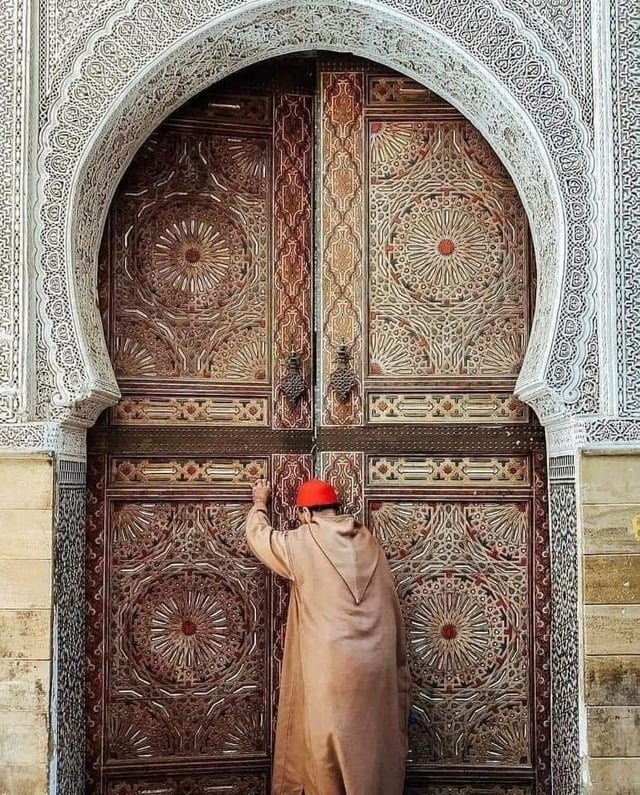
Unveiling the Enchanting History of Moroccan Doors
The Intriguing History of Moroccan Doors The Intriguing History of…
Embracing the Tranquillity of the Seaside: Exploring the Beach Experience
The Beauty and Serenity of Beaches The Beauty and Serenity…