
The Rich History of the Kingdom of Morocco
Located in North Africa, the Kingdom of Morocco boasts a history as vibrant and diverse as its landscape. From ancient civilizations to colonial rule and independence, Morocco’s past is a tapestry woven with conquests, cultural exchanges, and dynastic reigns.
Ancient Civilizations
The history of Morocco dates back to ancient times, with evidence of human habitation dating back thousands of years. Phoenician traders, Carthaginian settlers, and Roman conquerors all left their mark on the region. The Berbers, indigenous peoples of North Africa, played a significant role in shaping early Moroccan society.
Islamic Influence
In the 7th century, Arab armies brought Islam to Morocco, establishing it as a major centre of Islamic culture and learning. The Almoravid and Almohad dynasties ruled over vast territories in North Africa and Spain, leaving behind impressive architectural legacies such as the Koutoubia Mosque in Marrakech.
Colonial Era
In the 19th and 20th centuries, Morocco fell under French and Spanish colonial rule. The country gained independence from France in 1956 under King Mohammed V. His son, King Hassan II, continued to modernize Morocco while preserving its rich cultural heritage.
Modern Kingdom
Today, King Mohammed VI leads the Kingdom of Morocco into the 21st century as a constitutional monarchy. The country has made strides in economic development, tourism, and human rights while maintaining its unique blend of Arab, Berber, and European influences.
Cultural Heritage
Morocco’s history is reflected in its vibrant arts, architecture, cuisine, and traditions. From the intricate tilework of Fes to the colourful souks of Marrakech and the rhythmic beats of Gnawa music—Morocco’s cultural heritage continues to captivate visitors from around the world.
Exploring the Rich Tapestry of Moroccan History: Key Influences and Cultural Highlights
- Morocco has a rich history dating back to ancient times, with influences from Berber, Arab, and European cultures.
- The Almoravid and Almohad dynasties were two significant Berber Muslim dynasties that ruled Morocco during the Middle Ages.
- Morocco was under French and Spanish protectorate in the 20th century before gaining independence in 1956.
- King Mohammed VI is the current ruler of Morocco, ascending to the throne in 1999.
- Morocco is known for its vibrant cities like Marrakech, Fes, and Casablanca, each with their own unique historical significance.
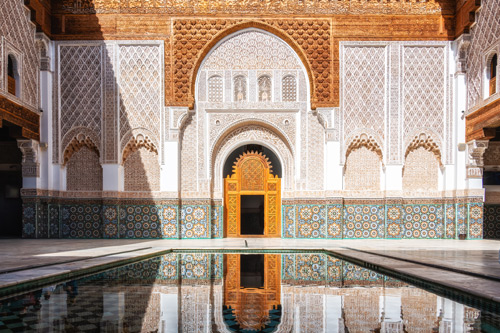
- The architecture in Morocco showcases a blend of Islamic and Moorish styles, with intricate tile work and geometric patterns.
- Moroccan cuisine is diverse and influenced by various cultures such as Arab, Berber, Mediterranean, and African cuisines.
- Morocco’s strategic location has made it a hub for trade between Europe, Africa, and the Middle East throughout history.
Morocco has a rich history dating back to ancient times, with influences from Berber, Arab, and European cultures.
Morocco’s captivating history traces back to ancient times, showcasing a tapestry woven with influences from Berber, Arab, and European cultures. From the indigenous Berbers to the Arab conquerors and later European colonizers, Morocco’s heritage is a vibrant mosaic of diverse traditions and customs. This rich tapestry of cultural influences has shaped Morocco into the captivating destination it is today, where echoes of the past reverberate through its architecture, cuisine, and way of life.
The Almoravid and Almohad dynasties were two significant Berber Muslim dynasties that ruled Morocco during the Middle Ages.
During the Middle Ages, the Almoravid and Almohad dynasties emerged as two influential Berber Muslim ruling families in Morocco. These dynasties played a pivotal role in shaping the political, cultural, and architectural landscape of the region. Through their reigns, they established Morocco as a centre of Islamic civilization and left lasting legacies that continue to be celebrated in Moroccan history and heritage.
Morocco was under French and Spanish protectorate in the 20th century before gaining independence in 1956.
During the 20th century, Morocco found itself under the protectorate of both French and Spanish powers before reclaiming its independence in 1956. This period of colonial rule left a lasting impact on the country’s history and culture, shaping its path towards sovereignty and self-determination.
King Mohammed VI is the current ruler of Morocco, ascending to the throne in 1999.
Since ascending to the throne in 1999, King Mohammed VI has been the reigning monarch of Morocco. His leadership has guided the country through modernization efforts while upholding its rich cultural heritage. As the current ruler, King Mohammed VI continues to play a pivotal role in shaping Morocco’s political landscape and fostering economic development for the nation and its people.
Morocco is known for its vibrant cities like Marrakech, Fes, and Casablanca, each with their own unique historical significance.
Morocco is renowned for its vibrant cities such as Marrakech, Fes, and Casablanca, each steeped in their own rich historical significance. Marrakech, with its bustling souks and iconic Djemaa el-Fna square, reflects the city’s medieval past as a thriving trading hub. Fes, known for its ancient medina and esteemed university, stands as a beacon of Islamic scholarship and craftsmanship. Casablanca, a modern metropolis by the sea, blends French colonial architecture with Moroccan charm, symbolizing the country’s dynamic evolution through time. These cities offer a glimpse into Morocco’s diverse history and cultural heritage that continue to enchant visitors from around the globe.
The architecture in Morocco showcases a blend of Islamic and Moorish styles, with intricate tile work and geometric patterns.
The architecture in Morocco is a mesmerising fusion of Islamic and Moorish styles, characterised by intricate tile work and mesmerising geometric patterns. This unique blend reflects the country’s rich history and cultural influences, creating a visual tapestry that delights visitors with its ornate beauty and historical significance.
Moroccan cuisine is diverse and influenced by various cultures such as Arab, Berber, Mediterranean, and African cuisines.
Moroccan cuisine is a culinary delight that reflects the country’s rich history and cultural influences. Drawing inspiration from Arab, Berber, Mediterranean, and African traditions, Moroccan dishes offer a diverse and tantalising blend of flavours, spices, and cooking techniques. From hearty tagines to fragrant couscous dishes and sweet pastries, each bite tells a story of Morocco’s vibrant culinary heritage passed down through generations.
Morocco’s strategic location has made it a hub for trade between Europe, Africa, and the Middle East throughout history.
Morocco’s strategic location at the crossroads of Europe, Africa, and the Middle East has positioned it as a vital hub for trade and cultural exchange over centuries. Its proximity to major trade routes has facilitated the flow of goods, ideas, and people between diverse regions, contributing to Morocco’s rich history as a melting pot of cultures and influences. This geographical advantage has not only shaped Morocco’s economy but also its identity as a gateway between continents, fostering a dynamic society that thrives on the exchange of goods and knowledge.
Related Posts
Unlocking Quick Getaways: Jet2 Weekend Breaks Await Your Adventure
Jet2 Weekend Breaks: Your Gateway to Quick Getaways Jet2 Weekend…
Unleash the Thrills: Discover the Best Quad Biking in Marrakech
The Thrilling Adventure of Quad Biking in Marrakech When it…
Exploring the Best Places to Stay in Morocco: A Guide to Accommodation Options
Places to Stay in Morocco Discover the Best Places to…