
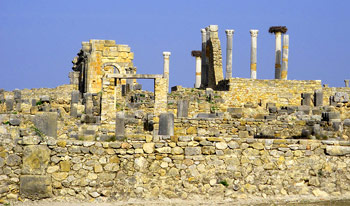
The Glorious History of the Moroccan Empire
Stretching across centuries and continents, the Moroccan Empire stands as a testament to the rich tapestry of North African history. From its humble beginnings to its zenith of power and influence, the empire’s story is one of conquest, culture, and resilience.
Founding and Expansion
The roots of the Moroccan Empire can be traced back to the Berber dynasties that ruled over the region in ancient times. However, it was in the 8th century AD that the empire truly began to take shape with the rise of the Idrisid dynasty. Under their rule, Morocco expanded its territories through strategic alliances and military campaigns.
Golden Age
One of the most illustrious periods in Moroccan history came during the rule of the Almoravid and Almohad dynasties. These empires saw a flourishing of art, architecture, and scholarship, with cities like Marrakech becoming centres of learning and culture.
European Encounters
The Moroccan Empire’s interactions with European powers were marked by both cooperation and conflict. The empire established trade routes with countries like Spain and Portugal, while also fending off invasions from European forces seeking to expand their influence in North Africa.
Decline and Legacy
By the 19th century, internal strife and external pressures had weakened the Moroccan Empire. European colonial powers began to assert control over parts of Morocco, leading to a gradual decline in its territorial holdings. However, Morocco’s legacy lives on in its vibrant culture, traditions, and enduring spirit of independence.
In conclusion, the history of the Moroccan Empire is a tale of resilience, innovation, and cultural exchange. From its early days as a regional power to its encounters with global empires, Morocco’s story continues to captivate historians and enthusiasts alike.
Exploring the Moroccan Empire: A Tapestry of Cultural Richness, Strategic Prowess, and Enduring Legacy
- Rich cultural heritage blending Berber, Arab, and European influences.
- Strategic expansion through alliances and military campaigns.
- Golden age marked by flourishing art, architecture, and scholarship.
- Established trade routes with European powers for economic prosperity.
- Enduring legacy seen in vibrant Moroccan culture and traditions.
- Spirit of independence and resilience in the face of external pressures.
Challenges to the Moroccan Empire: Internal Strife, External Threats, Colonial Pressures, and Social Unrest
- Internal power struggles and succession disputes weakened the stability of the Moroccan Empire at various points in its history.
- The empire faced recurrent invasions and conflicts with neighbouring powers, leading to periods of territorial loss and economic strain.
- European colonial encroachment in the 19th century challenged Morocco’s sovereignty and contributed to the decline of its imperial authority.
- Social inequalities and injustices within the empire’s hierarchical structure often led to unrest among different social classes.
Rich cultural heritage blending Berber, Arab, and European influences.
The Moroccan Empire’s rich cultural heritage is a captivating tapestry that beautifully weaves together Berber, Arab, and European influences. This unique blend of diverse cultures has left an indelible mark on Morocco’s art, architecture, cuisine, and traditions. From the vibrant colours of Berber textiles to the intricate geometric patterns of Moorish architecture, each aspect of Moroccan culture reflects the harmonious fusion of these varied influences. This cultural melting pot not only showcases the empire’s historical significance but also celebrates the spirit of inclusivity and creativity that has defined Morocco throughout its storied past.
Strategic expansion through alliances and military campaigns.
The strategic expansion of the Moroccan Empire through alliances and military campaigns was a pivotal pro that shaped its history. By forging alliances with neighbouring regions and engaging in well-planned military campaigns, the empire was able to extend its influence across vast territories. These strategic manoeuvres not only increased the empire’s power and resources but also facilitated cultural exchanges and economic growth. The ability to navigate complex geopolitical landscapes through alliances and military prowess enabled the Moroccan Empire to solidify its position as a formidable force in North Africa and beyond.
Golden age marked by flourishing art, architecture, and scholarship.
During its Golden Age, the Moroccan Empire experienced a remarkable flourishing of art, architecture, and scholarship that left an indelible mark on history. Under the rule of the Almoravid and Almohad dynasties, cities like Marrakech became vibrant centres of learning and culture, attracting scholars, artisans, and architects who created breathtaking masterpieces that still stand as testaments to the empire’s artistic and intellectual prowess. This period of creativity and innovation not only enriched Morocco’s cultural heritage but also influenced the broader development of art and architecture in the region, leaving a lasting legacy that continues to inspire admiration and awe today.
Established trade routes with European powers for economic prosperity.
The Moroccan Empire’s establishment of trade routes with European powers marked a significant pro in its history, contributing to economic prosperity and cultural exchange. Through these commercial connections, Morocco was able to access new markets, goods, and technologies, fostering economic growth and development within the empire. The exchange of commodities and ideas between Morocco and Europe not only enriched both regions economically but also facilitated a cross-cultural dialogue that enhanced diplomatic relations and mutual understanding. This emphasis on trade as a means of prosperity highlights the empire’s strategic vision and willingness to engage with foreign powers for the benefit of its people and economy.
Enduring legacy seen in vibrant Moroccan culture and traditions.
The enduring legacy of the Moroccan Empire is vividly reflected in the vibrant culture and traditions that continue to thrive in Morocco today. From the intricate designs of Moorish architecture to the rhythmic beats of traditional music, the empire’s influence can be seen in every corner of Moroccan society. Rich culinary traditions, colourful festivals, and a deep sense of hospitality all bear witness to the lasting impact of the empire on shaping the unique identity of modern-day Morocco. This cultural tapestry serves as a living testament to the resilience and creativity of a nation with a storied past that continues to inspire and enchant visitors from around the world.
Spirit of independence and resilience in the face of external pressures.
The spirit of independence and resilience displayed by the Moroccan Empire throughout its history is a defining pro that continues to inspire admiration. In the face of external pressures and colonial ambitions, the empire stood firm, showcasing a determination to safeguard its sovereignty and cultural identity. Through strategic alliances, military prowess, and diplomatic finesse, Morocco demonstrated an unwavering commitment to self-determination, leaving a lasting legacy of courage and tenacity that resonates through the annals of North African history.
Internal power struggles and succession disputes weakened the stability of the Moroccan Empire at various points in its history.
Internal power struggles and succession disputes have been a recurring con throughout the history of the Moroccan Empire, leading to periods of instability and uncertainty. These conflicts often arose when different factions vied for control over the empire, resulting in weakened central authority and fragmented governance. The struggle for succession among rival claimants to the throne further exacerbated these challenges, creating divisions within the empire that hindered its ability to effectively govern and defend its territories. As a consequence, these internal conflicts not only weakened the stability of the Moroccan Empire but also left it vulnerable to external threats and conquests.
The empire faced recurrent invasions and conflicts with neighbouring powers, leading to periods of territorial loss and economic strain.
Throughout its history, the Moroccan Empire grappled with recurrent invasions and conflicts with neighbouring powers, which inflicted periods of territorial loss and economic strain. These external pressures tested the empire’s resilience and resources, forcing it to defend its borders and engage in costly military campaigns. The constant threat of invasion not only resulted in the loss of strategic territories but also placed a heavy burden on the empire’s economy, hindering its ability to flourish and expand. Despite these challenges, the Moroccan Empire’s ability to navigate through these turbulent times showcases its enduring spirit and determination to safeguard its sovereignty amidst a volatile geopolitical landscape.
European colonial encroachment in the 19th century challenged Morocco’s sovereignty and contributed to the decline of its imperial authority.
During the 19th century, the Moroccan Empire faced a significant challenge as European colonial powers encroached upon its territory, posing a threat to its sovereignty and diminishing its imperial authority. The expansionist ambitions of countries such as France and Spain led to increased pressure on Morocco, resulting in territorial losses and internal instability. This period of European colonial encroachment marked a turning point in Moroccan history, contributing to the decline of the empire’s once formidable influence and shaping the course of its future interactions with the Western world.
Social inequalities and injustices within the empire’s hierarchical structure often led to unrest among different social classes.
Social inequalities and injustices within the Moroccan Empire’s hierarchical structure were a persistent con that fuelled unrest among various social classes. The rigid social hierarchy, with nobles and elites enjoying privileges at the expense of the common people, created deep divisions and resentment. The disparity in wealth, access to resources, and opportunities exacerbated tensions within the empire, leading to periodic uprisings and rebellions as marginalized groups sought to challenge the status quo. The failure to address these social injustices ultimately weakened the empire from within, highlighting the challenges of maintaining stability in a society marked by stark inequalities.
Related Posts

Embracing the Tranquillity of the Seaside: Exploring the Beach Experience
The Beauty and Serenity of Beaches The Beauty and Serenity…

Discover the Exquisite Flavours: Top Moroccan Food Delights
Top Moroccan Food The Flavours of Morocco: Top Moroccan Dishes…

Discovering Nature’s Beauty: Embark on Exciting Treks Around the World
The Thrill of Trekking: Exploring Nature's Wonders on Foot The…