
The Rich Tapestry of Moroccan Cultural Traditions
Morocco, with its vibrant blend of Berber, Arab, and European influences, boasts a cultural tapestry as diverse and enchanting as its landscape. From the bustling souks of Marrakech to the tranquil blue streets of Chefchaouen, Morocco’s cultural traditions are deeply rooted in history and continue to thrive in the modern world.
Art and Craftsmanship
One of the most striking aspects of Moroccan culture is its exquisite artistry and craftsmanship. Skilled artisans create intricate designs in pottery, textiles, metalwork, and wood carving that reflect centuries-old techniques passed down through generations. The vibrant colours and geometric patterns seen in traditional Moroccan rugs, ceramics, and mosaics are a testament to the country’s artistic heritage.
Celebrations and Festivals
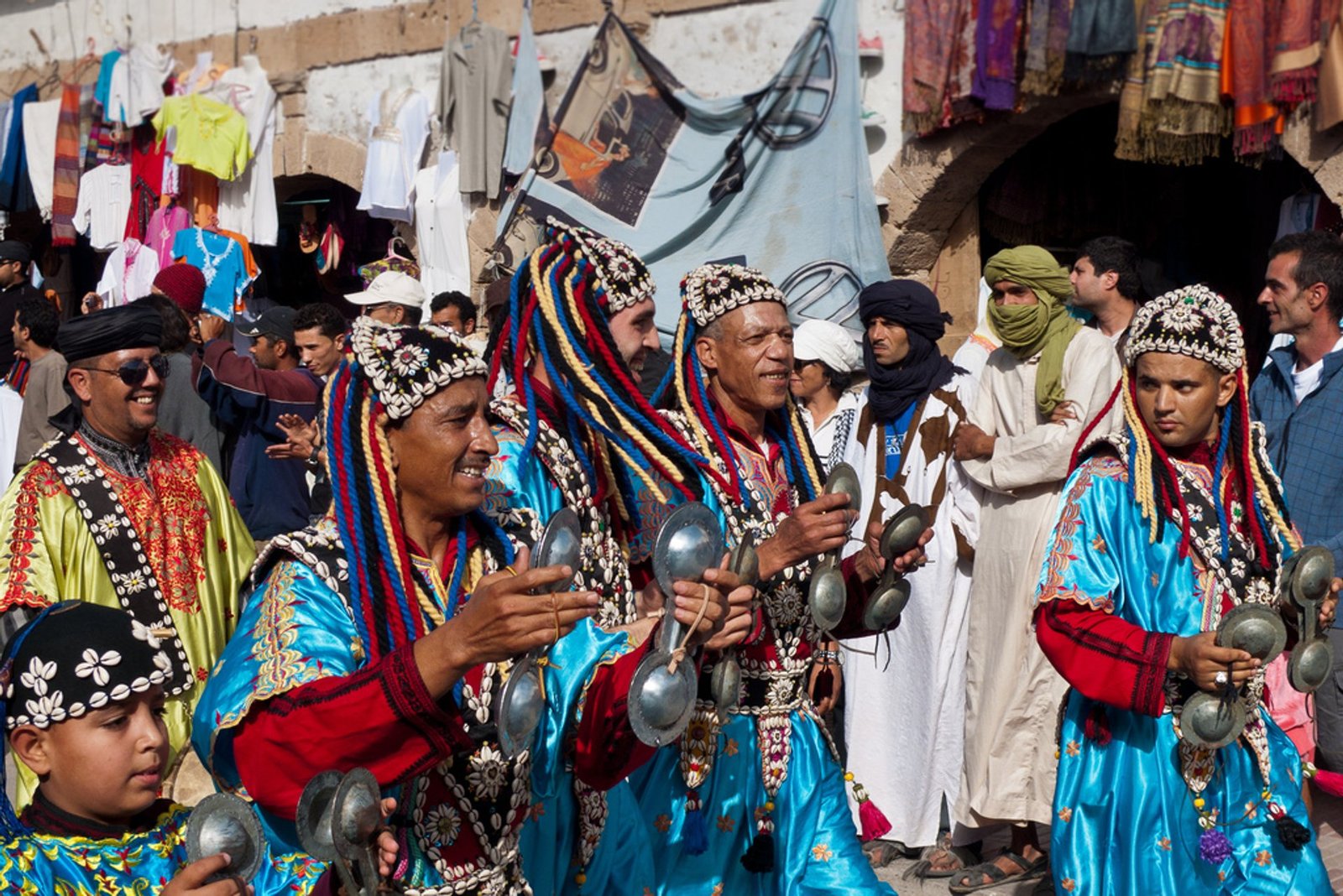
Morocco is a land of celebrations, with festivals that showcase the country’s diverse traditions and customs. From the lively music and dance performances at the Gnaoua World Music Festival in Essaouira to the colourful processions during Eid al-Fitr and Eid al-Adha, Moroccans take great pride in their rich cultural heritage and love to share it with visitors.
Cuisine and Hospitality
Moroccan cuisine is a tantalising fusion of flavours from North Africa, Spain, France, and Arabia. Traditional dishes like tagine (slow-cooked stew), couscous (steamed semolina), and pastilla (savory pie) offer a sensory journey through Morocco’s culinary landscape. Hospitality is also deeply ingrained in Moroccan culture, with guests often welcomed with mint tea and sweet pastries as a sign of friendship.
Traditional Clothing
The traditional clothing worn by Moroccans reflects both their cultural identity and practical needs. Men often wear djellabas (long hooded robes) while women don kaftans or jellabas adorned with intricate embroidery. The bright colours and elaborate designs of these garments not only serve as fashion statements but also symbolise regional affiliations and social status.
Music and Dance
Music plays a central role in Moroccan culture, with genres like Andalusian classical music, Berber folk music, Raï from Algeria, Gnawa spiritual songs all contributing to the country’s rich musical heritage. Traditional dances like the Aissawa or Ahidous are performed during special occasions to celebrate life events or express religious devotion.
In conclusion, Morocco’s cultural traditions are a testament to its diverse history and enduring spirit. From artistry to cuisine, celebrations to clothing—each aspect offers a glimpse into the soul of this captivating country. Embracing these traditions allows us to appreciate Morocco’s past while celebrating its vibrant present.
Exploring the Rich Heritage and Vibrant Traditions of Moroccan Culture
- 1. Rich Heritage
- 2. Exquisite Artistry
- 3. Vibrant Festivals
- 4. Culinary Delights
- 5. Warm Hospitality
Challenges in Navigating Moroccan Cultural Traditions: Gender Inequality, Religious Limitations, Conservative Norms, and LGBTQ+ Acceptance
1. Rich Heritage
Morocco’s cultural traditions boast a rich heritage that dates back centuries, providing a captivating window into the country’s fascinating history. From the intricate artistry of its handicrafts to the rhythmic beats of traditional music, each aspect of Moroccan culture reflects a deep-rooted legacy that has been preserved and celebrated through generations. By embracing these time-honoured traditions, Moroccans and visitors alike can appreciate the depth of history and cultural significance that continues to shape this enchanting North African nation.
2. Exquisite Artistry
Moroccan cultural traditions shine brightly through the exquisite artistry displayed by local artisans. From the intricate designs adorning pottery to the vibrant patterns woven into textiles, and the meticulous metalwork that graces everyday objects, Moroccan craftsmanship is a true testament to skill and creativity. Each piece created reflects a deep connection to tradition and heritage, capturing the essence of Morocco’s rich cultural tapestry in every detail.
3. Vibrant Festivals
Morocco’s vibrant festivals and celebrations are a testament to the country’s rich cultural traditions. From the rhythmic beats of traditional music to the graceful movements of dance performances, these events showcase the diverse heritage of Morocco in a kaleidoscope of colours and sounds. Colourful processions wind through the streets, bringing communities together to honour their history and customs with joy and exuberance. These lively gatherings not only entertain locals and visitors alike but also serve as a powerful reminder of the beauty and unity found in Morocco’s cultural tapestry.
4. Culinary Delights
Indulge in the culinary delights of Morocco, where a tantalising fusion of flavours from North Africa, Spain, France, and Arabia awaits. Moroccan cuisine offers a sensory journey for food enthusiasts, with dishes like tagine, couscous, and pastilla showcasing the rich tapestry of influences that have shaped this gastronomic landscape. From aromatic spices to sweet pastries, each bite tells a story of tradition and innovation, making dining in Morocco an unforgettable experience for all who appreciate the artistry of food.
5. Warm Hospitality
Morocco’s cultural traditions are enriched by the pro of warm hospitality, a hallmark of Moroccan society. Moroccans are renowned for their genuine warmth and welcoming nature, exemplified by the traditional gesture of greeting guests with refreshing mint tea and delectable sweet pastries. This act not only signifies friendship but also reflects the deep-rooted value placed on making visitors feel at home and cherished in Moroccan communities.
Gender Inequality
Moroccan cultural traditions can perpetuate gender inequality, with societal norms often limiting the opportunities and freedoms of women. Despite progress in recent years, traditional beliefs and practices continue to shape gender roles in Moroccan society, leading to disparities in education, employment, and decision-making power between men and women. Women may face restrictions on their mobility, access to resources, and participation in public life due to entrenched cultural norms. Addressing gender inequality within the framework of Moroccan cultural traditions is essential for fostering a more inclusive and equitable society where both men and women can fully participate and thrive.
Limited Religious Freedom
In Morocco, the pervasive influence of Islam in cultural traditions can pose challenges to religious freedom for individuals practising other faiths or those who opt for a secular lifestyle. The country’s adherence to Islamic principles may result in limitations on the expression of diverse religious beliefs, creating barriers for those seeking alternative paths of spirituality or choosing not to align with any specific religion. This con underscores the need for greater tolerance and acceptance of religious diversity within Moroccan society to ensure that all individuals can freely exercise their beliefs without fear of discrimination or restriction.
Conservative Social Norms
In Morocco, conservative social norms rooted in traditional values can sometimes create challenges for individuals seeking to express themselves freely and make lifestyle choices that align with modern attitudes. The clash between age-old customs and contemporary beliefs may result in restrictions on personal expression and autonomy for some members of society. This tension between preserving cultural traditions and embracing progressive ideals highlights the complexities inherent in navigating Morocco’s cultural landscape, where individuals may find themselves torn between tradition and modernity.
Lack of LGBTQ+ Acceptance
In the realm of Moroccan cultural traditions, a significant con lies in the lack of LGBTQ+ acceptance. The societal norms and values in Morocco typically do not openly embrace LGBTQ+ identities, leading to challenges and discrimination faced by individuals within this community. This cultural stance can create barriers to acceptance, understanding, and inclusion for LGBTQ+ individuals, highlighting a pressing need for greater awareness and advocacy for equal rights and respect for all members of society.
Related Posts
Essential Travel Guide: Your Companion to Adventure and Exploration
The Ultimate Travel Guide: Your Passport to Adventure The Ultimate…
Savouring the Essence: Culinary Experiences That Delight the Senses
The Art of Culinary Experiences: A Feast for the Senses…

Unlocking the Power of Information: Navigating the Digital Age
The Power of Information: Navigating the Digital Age In today's…