
The Vibrant Tapestry of Moroccan Traditions and Culture
Located at the crossroads of Africa, Europe, and the Middle East, Morocco boasts a diverse tapestry of traditions and culture that have been shaped by centuries of history and influences from various civilizations. Let’s delve into the captivating world of Moroccan customs, rituals, and artistic expressions.
Traditional Dress
One of the most striking aspects of Moroccan culture is its traditional dress. The iconic djellaba, a loose-fitting hooded robe worn by both men and women, reflects the country’s Berber heritage. Women often adorn themselves with intricate jewellery and vibrant scarves, while men sport fez hats or turbans.
Culinary Delights
Moroccan cuisine is a feast for the senses, blending aromatic spices, succulent meats, and fresh vegetables. The tagine, a slow-cooked stew named after the earthenware pot in which it is cooked, is a staple dish. Mint tea is another integral part of Moroccan hospitality, symbolising friendship and welcome.
Artistry and Craftsmanship
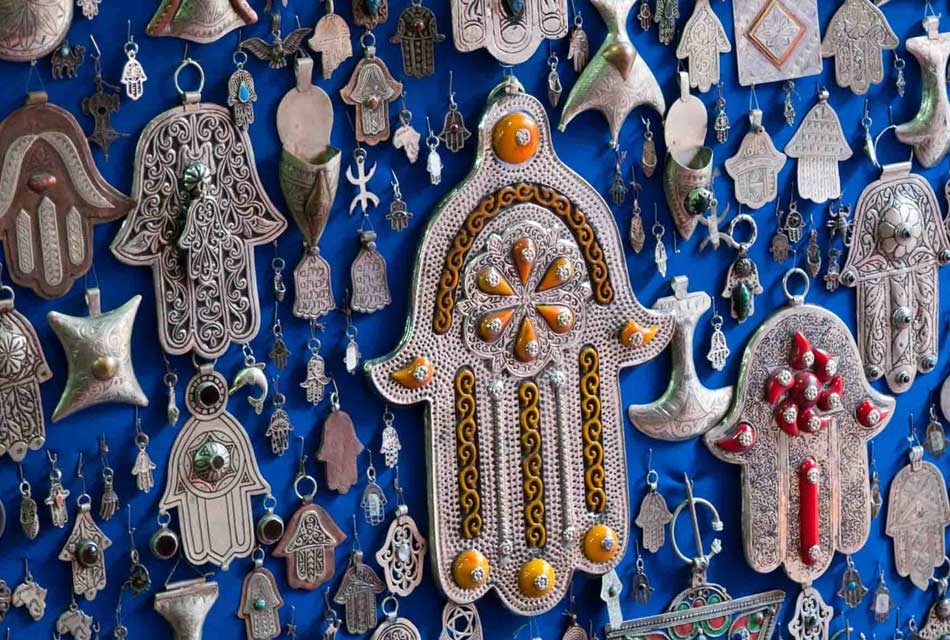
Morocco is renowned for its exquisite craftsmanship in various art forms. From intricate tile work in mosques and palaces to vibrant textiles in souks, artisans showcase their skills through detailed mosaics, leather goods, pottery, and carpets. Each piece tells a story of tradition passed down through generations.
Festivals and Celebrations
Throughout the year, Morocco comes alive with vibrant festivals that celebrate religious occasions, harvests, or historical events. The Festival of Roses in Kelaat M’Gouna honours the blooming roses of the valley with music and parades, while Eid al-Adha sees families gathering for feasts to commemorate Abraham’s sacrifice.
Hospitality and Social Customs
Moroccan hospitality is legendary—guests are warmly welcomed with mint tea or coffee as a gesture of friendship. Social gatherings often revolve around shared meals where guests are encouraged to eat with their right hand as a sign of respect. Traditional music and dance further enhance these communal experiences.
The Influence of Islam
Islam plays a significant role in shaping Moroccan traditions and culture. The call to prayer echoes through cities five times a day, mosques stand as architectural marvels adorned with intricate geometric patterns, and Ramadan fosters a sense of community through fasting and charitable acts.
Exploring Moroccan Traditions: Dress, Cuisine, Festivals, and Cultural Insights
- What is the traditional dress of Morocco?
- What are some popular dishes in Moroccan cuisine?
- How do Moroccans celebrate festivals and special occasions?
- What are the key elements of Moroccan art and craftsmanship?
- Can you explain the significance of mint tea in Moroccan culture?
- How does Islam influence Moroccan traditions and customs?
- What are some common social customs and etiquettes in Morocco?
- Are there any traditional music and dance forms unique to Morocco?
What is the traditional dress of Morocco?
The traditional dress of Morocco is a captivating reflection of the country’s rich cultural heritage. One of the most iconic garments is the djellaba, a loose-fitting hooded robe worn by both men and women. Women often accessorise with intricate jewellery and colourful scarves, while men may don fez hats or turbans. These traditional attire pieces not only showcase Morocco’s Berber roots but also embody the country’s vibrant and diverse fashion sensibilities. The traditional dress of Morocco is not just clothing; it is a symbol of identity, history, and artistic expression that continues to be cherished and celebrated in modern Moroccan society.
What are some popular dishes in Moroccan cuisine?
Moroccan cuisine is a vibrant tapestry of flavours and aromas that reflect the country’s rich culinary heritage. Some popular dishes in Moroccan cuisine include the iconic tagine, a slow-cooked stew typically made with tender meat or poultry, vegetables, and a blend of fragrant spices. Couscous, often served with vegetables and succulent meat like lamb or chicken, is a staple dish enjoyed across Morocco. Harira, a hearty soup made with tomatoes, lentils, chickpeas, and aromatic herbs, is commonly consumed during Ramadan to break the fast. Moroccan pastries such as baklava and chebakia offer a sweet ending to meals, showcasing the intricate artistry and delicate flavours that define Moroccan desserts.
How do Moroccans celebrate festivals and special occasions?
Moroccans celebrate festivals and special occasions with great fervour and enthusiasm, showcasing their rich cultural heritage and strong sense of community. From the vibrant Festival of Roses in Kelaat M’Gouna to the joyous Eid al-Adha festivities, each event is marked by music, dance, feasting, and colourful parades. Families come together to share traditional meals, exchange gifts, and partake in religious rituals that reflect the values of unity, generosity, and gratitude. These celebrations not only honour Morocco’s history and customs but also serve as occasions for strengthening bonds with loved ones and creating lasting memories.
What are the key elements of Moroccan art and craftsmanship?
Moroccan art and craftsmanship are characterised by intricate details, vibrant colours, and a rich blend of cultural influences. Key elements of Moroccan art include exquisite tile work, known as zellige, which adorns mosques, palaces, and homes with geometric patterns. Skilled artisans also create stunning ceramics, intricate metalwork, and luxurious textiles such as carpets and fabrics embroidered with traditional motifs. The country’s craftsmanship extends to leather goods, wood carving, and jewellery-making, showcasing a deep appreciation for meticulous handiwork and a dedication to preserving centuries-old techniques passed down through generations.
Can you explain the significance of mint tea in Moroccan culture?
Mint tea holds a revered place in Moroccan culture, symbolising hospitality, friendship, and tradition. Known as “Atay nana,” this sweet and refreshing beverage is more than just a drink—it is a ritual that brings people together. The preparation of mint tea involves pouring the hot water from a height to aerate the tea and enhance its flavour. Serving mint tea to guests is a sign of respect and welcome, reflecting the warm hospitality deeply ingrained in Moroccan customs. Whether shared during social gatherings, family visits, or business meetings, mint tea embodies the essence of Moroccan culture—a blend of aromatic flavours and heartfelt connections.
How does Islam influence Moroccan traditions and customs?
The influence of Islam on Moroccan traditions and customs is profound and pervasive, shaping every aspect of daily life in the country. From the call to prayer that resonates through bustling medinas to the architectural splendour of mosques adorned with intricate geometric patterns, Islam is intricately woven into the fabric of Moroccan society. The observance of religious practices such as Ramadan fosters a sense of community and solidarity among Moroccans, while Islamic values of hospitality, generosity, and respect are reflected in social customs and interactions. The principles of Islam guide everything from family life to governance, creating a cultural landscape where tradition and faith intertwine seamlessly.
What are some common social customs and etiquettes in Morocco?
In Morocco, social customs and etiquettes play a significant role in daily interactions. One common custom is the importance of greeting others with warmth and respect. Handshakes are common between individuals of the same gender, while greetings between opposite genders may involve a nod or placing the hand over the heart. It is customary to address people using titles such as “Mr.” or “Mrs.” followed by their first name. Additionally, sharing meals is a cherished tradition where guests are encouraged to eat with their right hand as a sign of respect. Hospitality is highly valued, and offering mint tea or coffee to guests is a gesture of welcome and friendship that reflects the country’s rich cultural heritage.
Are there any traditional music and dance forms unique to Morocco?
Morocco boasts a rich tapestry of traditional music and dance forms that are deeply ingrained in the country’s cultural heritage. One of the most iconic musical genres is Gnawa music, originating from the Gnawa people of sub-Saharan Africa. Characterised by hypnotic rhythms and spiritual lyrics, Gnawa music is often performed during healing ceremonies and spiritual rituals. Additionally, the lively sounds of Andalusian music, influenced by Moorish Spain, can be heard at festive occasions and celebrations across Morocco. In terms of dance, the energetic movements of the Berber Ahidous and the graceful twirls of the Moroccan Chaabi dance showcase the diversity and vibrancy of Moroccan traditional dance forms. These unique expressions of music and dance reflect the fusion of Berber, Arab, African, and European influences that define Morocco’s cultural landscape.
Related Posts
Journeying from Marrakech to the Sahara Desert: An Unforgettable Tour Experience
From Marrakech to the Sahara Desert: A Journey of a…
Unveiling the Timeless Traditions of Morocco
The Enchanting Traditions of Morocco Stepping into Morocco is like…
Essential Things to Know Before Embarking on Your Journey to Morocco
Essential Things to Know Before Travelling to Morocco Planning a…