
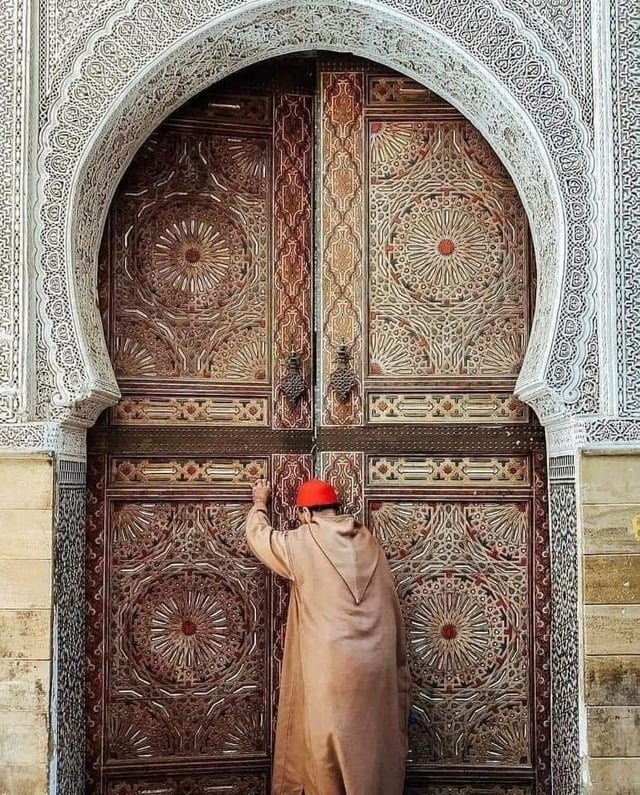
The Intriguing History of Moroccan Doors
When you wander through the ancient streets of Morocco, one architectural feature that never fails to catch your eye is the ornate and captivating doors adorning the buildings. These doors are not merely entrances; they are a reflection of Morocco’s rich history, culture, and craftsmanship.
Symbolism and Significance
In Moroccan tradition, doors hold immense symbolic significance. They are believed to be a threshold between the public world and the private realm, offering protection and privacy to those within. The intricate designs carved into these doors often depict geometric patterns, floral motifs, or calligraphy that carry deeper meanings related to spirituality, prosperity, or protection from evil.
Architectural Marvels
Moroccan doors are not just functional elements but also architectural marvels. Crafted by skilled artisans using traditional techniques passed down through generations, these doors showcase exquisite woodwork, metal embellishments, vibrant colours, and meticulous detailing. Each door tells a story of the craftsmanship and artistry that define Moroccan design.
Historical Evolution
The history of Moroccan doors can be traced back centuries to various influences that have shaped their design. From intricate Islamic geometric patterns to Andalusian motifs and Berber symbols, each style reflects the diverse cultural heritage of Morocco. Over time, these influences have blended together to create the unique fusion seen in modern Moroccan door designs.
Preserving Tradition
Despite modernization and changing architectural trends, Moroccan artisans continue to honour their heritage by crafting doors using traditional methods and materials. The preservation of this craftsmanship not only sustains a vital aspect of Moroccan culture but also ensures that future generations can appreciate the beauty and significance of these historical treasures.
Exploring Morocco’s Doors
As you wander through the medinas and kasbahs of Morocco, take a moment to admire the intricately carved doors that stand as silent guardians of the country’s past. Each door is a testament to Morocco’s vibrant history, artistic ingenuity, and cultural identity—a doorway inviting you to step into a world where tradition meets innovation.
Exploring the Rich History and Artistry of Moroccan Doors: 5 Fascinating Insights
- Moroccan doors are known for their intricate designs and vibrant colours, reflecting the country’s rich artistic heritage.
- The design of Moroccan doors often incorporates geometric patterns, floral motifs, and traditional Islamic calligraphy.
- Historically, Moroccan doors were crafted by skilled artisans using techniques passed down through generations.
- Moroccan doors are not just functional elements but also symbols of status and hospitality in Moroccan culture.
- Many Moroccan doors feature metal studs or knockers that serve both decorative and practical purposes.
Moroccan doors are known for their intricate designs and vibrant colours, reflecting the country’s rich artistic heritage.
Moroccan doors are renowned for their elaborate designs and vivid hues, serving as a testament to the country’s opulent artistic legacy. The intricate patterns and vibrant colours adorning these doors not only add a touch of visual splendour to Morocco’s architecture but also embody the depth of cultural expression and craftsmanship that have been cherished throughout the ages.
The design of Moroccan doors often incorporates geometric patterns, floral motifs, and traditional Islamic calligraphy.
The design of Moroccan doors is a captivating blend of intricate details, where geometric patterns, delicate floral motifs, and elegant traditional Islamic calligraphy intertwine to create visually stunning works of art. Each element in the design holds symbolic significance, reflecting both the cultural heritage and spiritual beliefs of Morocco. These ornate features not only add beauty to the doors but also serve as a testament to the skilled craftsmanship and artistic flair that have been passed down through generations in Moroccan architectural traditions.
Historically, Moroccan doors were crafted by skilled artisans using techniques passed down through generations.
Historically, Moroccan doors were crafted by skilled artisans using techniques passed down through generations. These master craftsmen meticulously honed their skills to create doors that not only served as functional entryways but also stood as works of art. The intricate carvings, ornate metalwork, and vibrant colours seen on Moroccan doors are a testament to the dedication and expertise of these artisans, who imbued each piece with cultural significance and timeless beauty.
Moroccan doors are not just functional elements but also symbols of status and hospitality in Moroccan culture.
In Moroccan culture, doors transcend their functional purpose and serve as powerful symbols of status and hospitality. Adorned with intricate designs and elaborate craftsmanship, Moroccan doors not only mark the threshold between public and private spaces but also convey a sense of welcoming warmth to visitors. The ornate embellishments on these doors reflect the homeowner’s social standing and demonstrate a commitment to honouring guests with grace and generosity. Through their grandeur and beauty, Moroccan doors stand as tangible expressions of the country’s deep-rooted traditions of hospitality and respect for all who cross their threshold.
Many Moroccan doors feature metal studs or knockers that serve both decorative and practical purposes.
In the realm of Moroccan door history, a notable feature that often catches the eye is the presence of metal studs or knockers adorning these majestic entrances. These intricate metal embellishments not only add a touch of decorative flair to the doors but also serve practical functions. The studs and knockers, crafted with meticulous detail, not only enhance the aesthetic appeal of the doors but also provide a tactile and audible element to their design, blending beauty with functionality in perfect harmony.
Related Posts

Unveiling the Essence of Authenticity
The Essence of Authenticity The Essence of Authenticity Authenticity is…

Discover the Ultimate Luxury Escapes: Unveiling the World’s Most Exquisite Resorts
The Allure of Resorts: Your Gateway to Relaxation and Luxury…

Savour the Flavours: Authentic Moroccan Chicken Couscous Recipe
Authentic Moroccan Chicken Couscous Recipe The Taste of Morocco: Authentic…