
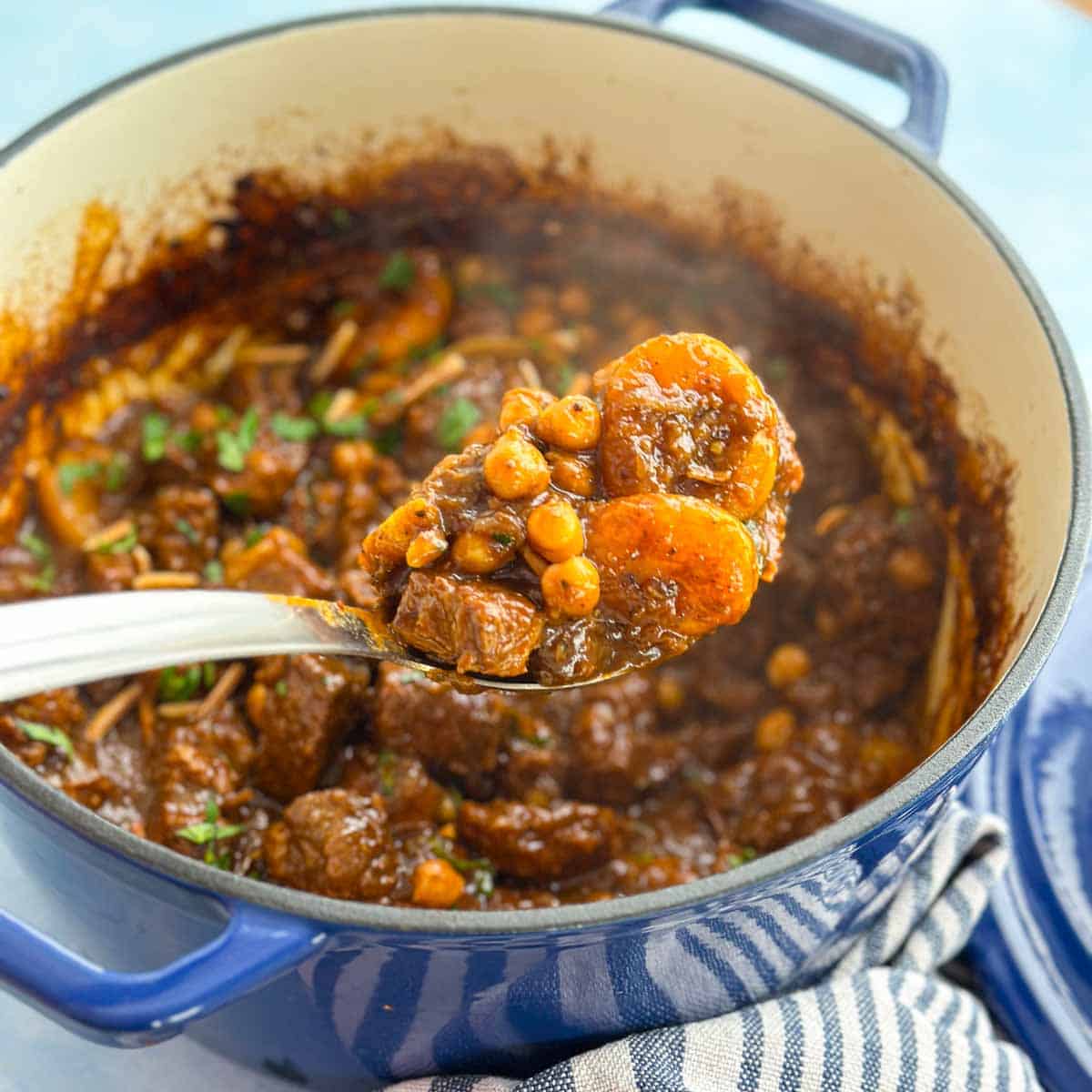
The Art of Cooking Lamb for Tagine
Tagine, a traditional North African dish named after the earthenware pot in which it is cooked, is a culinary masterpiece that tantalises the taste buds with its rich flavours and aromatic spices. One of the key ingredients in tagine is lamb, which when cooked to perfection, adds a tender and succulent texture to this iconic dish.
Choosing the Right Cut of Lamb
When preparing lamb for tagine, it’s essential to select the right cut of meat. Shoulder or leg of lamb are popular choices due to their tenderness and ability to absorb the flavours of the spices and other ingredients in the dish. Trim excess fat from the lamb to ensure a leaner and healthier meal.
Marinating for Maximum Flavour
To enhance the taste of lamb in tagine, marinating is key. Create a marinade using a blend of spices such as cumin, coriander, paprika, cinnamon, and turmeric mixed with olive oil, garlic, lemon juice, and fresh herbs like parsley or coriander. Allow the lamb to marinate for at least a few hours or overnight in the fridge for optimum flavour infusion.
Cooking Techniques
Traditionally, tagine is slow-cooked over low heat to allow the flavours to meld together and create a tender meat that falls off the bone. The unique conical shape of the tagine pot helps circulate steam during cooking, keeping the meat moist and juicy. Add vegetables like carrots, onions, tomatoes, and dried fruits like apricots or dates for a balanced and flavourful meal.
Serving Suggestions
Once your lamb tagine is cooked to perfection, serve it piping hot with couscous or crusty bread on the side. Garnish with chopped fresh herbs and toasted almonds for an added crunch. The combination of tender lamb infused with aromatic spices makes every bite a delightful journey through Moroccan cuisine.
Experience Moroccan Delight
The art of cooking lamb for tagine embodies the essence of Moroccan culinary tradition—slow-cooked dishes bursting with flavour and history. Whether you’re hosting a dinner party or simply craving an exotic meal at home, mastering this recipe will transport you to the bustling markets and vibrant streets of Morocco.
Essential FAQs for Perfecting Lamb Tagine: Cuts, Spices, Cooking Tips, and Alternatives
- 1. What cut of lamb is best for making tagine?
- 2. How should I marinate lamb for tagine?
- 3. What spices are commonly used when cooking lamb for tagine?
- 4. Can I use a different meat instead of lamb in a tagine recipe?
- 5. How long does it take to cook lamb in a tagine pot?
- 6. What vegetables pair well with lamb in a tagine dish?
- 7. Is it necessary to brown the lamb before adding it to the tagine pot?
- 8. Can I make a vegetarian version of tagine without using lamb?
- 9. Are there any special tips for ensuring the lamb stays tender and juicy during cooking?
1. What cut of lamb is best for making tagine?
When it comes to making tagine, the choice of lamb cut plays a crucial role in achieving the perfect balance of tenderness and flavour in this iconic North African dish. The best cut of lamb for making tagine is often considered to be the shoulder or leg, known for their succulence and ability to absorb the aromatic spices and seasonings that define the dish. By opting for these cuts and trimming any excess fat, you can ensure a delectable tagine that showcases the rich and complex flavours of Moroccan cuisine.
2. How should I marinate lamb for tagine?
Marinating lamb for tagine is a crucial step in ensuring a flavourful and tender dish. To marinate lamb for tagine, start by creating a fragrant blend of spices such as cumin, coriander, paprika, cinnamon, and turmeric. Mix these spices with olive oil, minced garlic, freshly squeezed lemon juice, and chopped herbs like parsley or coriander. Coat the lamb pieces generously with the marinade, ensuring that each slice is well covered. For optimal results, refrigerate the marinated lamb for several hours or preferably overnight to allow the flavours to penetrate the meat deeply. This marinating process not only infuses the lamb with aromatic spices but also helps tenderize it for a melt-in-your-mouth texture when cooked in the tagine pot.
3. What spices are commonly used when cooking lamb for tagine?
When preparing lamb for tagine, a harmonious blend of spices is essential to create the signature flavours of this traditional North African dish. Commonly used spices include cumin, coriander, paprika, cinnamon, and turmeric, which infuse the meat with a rich and aromatic taste. These spices not only enhance the natural flavour of the lamb but also add depth and complexity to the dish. Combined with other ingredients like garlic, lemon juice, and fresh herbs, the spice mix creates a symphony of flavours that make lamb tagine a culinary delight that transports you to the vibrant markets of Morocco with every bite.
4. Can I use a different meat instead of lamb in a tagine recipe?
When it comes to preparing a tagine recipe, lamb is the traditional choice of meat that imparts a rich and savoury flavour to the dish. However, if you’re looking to experiment with different meats, you can certainly explore alternative options such as chicken, beef, or even vegetarian substitutes like chickpeas or tofu. While these variations may deviate from the authentic Moroccan taste of lamb tagine, they offer a chance to personalise the recipe to suit your preferences or dietary requirements. Just keep in mind that each type of meat will bring its own unique texture and taste profile to the dish, so feel free to get creative and adapt the recipe according to your culinary desires.
5. How long does it take to cook lamb in a tagine pot?
When cooking lamb in a tagine pot, the key to achieving tender and flavourful meat lies in patience and slow cooking. Typically, it takes around 2 to 3 hours to cook lamb in a tagine pot over low heat. This extended cooking time allows the lamb to become melt-in-your-mouth tender while absorbing the rich flavours of the spices and other ingredients in the dish. The unique shape of the tagine pot helps retain moisture and ensures that the meat remains juicy throughout the cooking process. Embrace the slow-cooking method and savour the aromatic journey that culminates in a deliciously satisfying lamb tagine meal.
6. What vegetables pair well with lamb in a tagine dish?
When it comes to creating a harmonious flavour profile in a lamb tagine dish, choosing the right vegetables is crucial. Vegetables such as carrots, onions, tomatoes, and bell peppers complement the richness of lamb beautifully, adding a depth of flavour and texture to the dish. These vegetables not only enhance the overall taste but also contribute to the visual appeal of the tagine, creating a colourful and inviting presentation. Additionally, dried fruits like apricots or dates can be incorporated to add a subtle sweetness that balances the savoury notes of the lamb, resulting in a well-rounded and satisfying culinary experience.
7. Is it necessary to brown the lamb before adding it to the tagine pot?
When preparing lamb for tagine, the question of whether to brown the meat before adding it to the pot often arises. While browning the lamb can enhance the depth of flavour by creating a caramelised crust and sealing in juices, it is not always necessary. Some chefs prefer to skip this step and directly marinate the lamb, allowing the slow cooking process in the tagine to tenderise the meat and infuse it with spices. Ultimately, whether you choose to brown the lamb or not depends on personal preference and desired outcome, as both methods can result in a delicious and aromatic tagine dish.
8. Can I make a vegetarian version of tagine without using lamb?
For those looking to enjoy the flavours of tagine without using lamb, creating a vegetarian version is a delightful alternative. By incorporating an array of vegetables such as carrots, potatoes, bell peppers, zucchini, and chickpeas, you can craft a hearty and satisfying dish that captures the essence of traditional tagine. Infuse the vegetables with a blend of aromatic spices and herbs like cumin, paprika, cinnamon, and coriander to evoke the authentic Moroccan flavours. Whether you’re a vegetarian or simply seeking a meat-free option, this vegetable tagine promises a culinary experience that is both vibrant and delicious.
9. Are there any special tips for ensuring the lamb stays tender and juicy during cooking?
To ensure that the lamb in your tagine stays tender and juicy during cooking, there are a few special tips to keep in mind. Firstly, choosing the right cut of lamb, such as shoulder or leg, can make a significant difference in the final texture of the meat. Marinating the lamb for an extended period helps to tenderize and infuse it with flavour. Additionally, cooking the tagine over low heat for an extended period allows the meat to slowly absorb the spices and liquids, resulting in a melt-in-your-mouth consistency. Lastly, adding vegetables and fruits to the tagine not only enhances the overall flavour but also contributes to keeping the lamb moist throughout the cooking process. By following these tips, you can ensure that your lamb tagine is a succulent and delightful culinary experience.
Related Posts
Savour the Flavours: Exploring Exquisite Moroccan Dishes
Exploring the Exquisite Flavours of Moroccan Dishes Exploring the Exquisite…
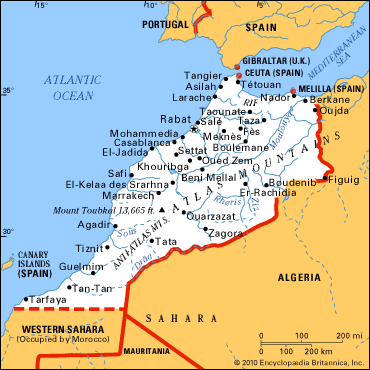
Unveiling the Rich Tapestry: The History of Morocco
The Rich Tapestry of Morocco's History Nestled at the crossroads…
Embark on a Melodic Journey: World Music Festival Morocco 2022
The Vibrant Melodies Await at World Music Festival Morocco 2022…