
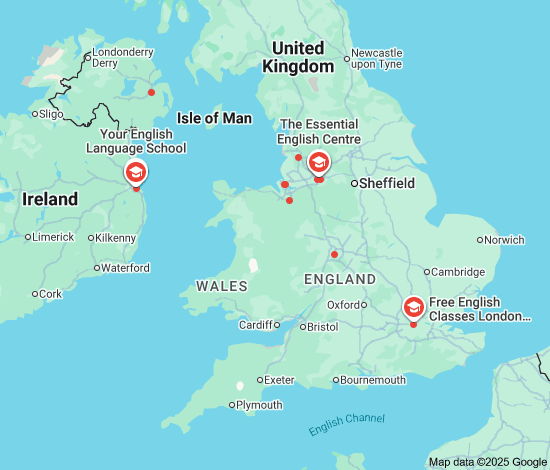
How to Find an “Ingles Class Near Me”
Searching for an “ingles class near me” is a common way to look for local English lessons. “Inglés” means “English” in Spanish, so this search usually points to English classes nearby—whether you want to improve your speaking, prepare for an exam or feel more confident using English at work and in everyday life.
The right class depends on your level, schedule, budget and goals. Here are some practical ways to compare your options and choose a course that suits you.
Decide What You Want to Learn
Before searching, think about what you would like to achieve. You might be looking for:
- General English for everyday conversations
- Speaking and listening practice
- English for work or study
- Help with grammar, reading or writing
- Preparation for an English-language exam
- Beginner lessons or support with a specific skill
Having a clear goal makes it easier to find a class at the right level. If you are unsure where to start, ask whether the provider offers a placement test or an initial assessment.
Where to Look for English Classes
Try searching for terms such as “English classes near me”, “ESOL classes near me” or “English lessons in [your town]”. You may find courses offered by language schools, colleges, community centres, charities and private tutors. Libraries and local community organisations may also be able to point you towards nearby learning opportunities.
If there are no suitable classes close by, consider online lessons. These can offer more flexibility and may let you choose from a wider range of teachers and class times.
Compare Class Formats
English lessons are available in several formats, each with different advantages:
- Group classes: Practise conversations with other learners and learn together in a structured setting.
- One-to-one lessons: Focus on your individual goals and receive more direct feedback.
- Online classes: Study from home and avoid travelling to a class.
- Community or ESOL courses: These may be designed for learners who use English as an additional language. Availability and eligibility can vary.
What to Check Before Booking
Before enrolling, check the class level, timetable, location and total cost. Ask how many learners are in each group and what course materials are included. It is also worth finding out whether you can attend a trial lesson or speak with the teacher before committing.
Look for lessons that give you regular opportunities to practise speaking and listening, as well as clear guidance on your progress. If you need English for a particular purpose, such as work, university or an exam, ask whether the course covers it.
Questions to Ask a Teacher or Course Provider
- How do you assess a learner’s English level?
- What will we cover during the course?
- How much speaking practice is included?
- Are lessons held in person, online or in a hybrid format?
- What are the fees, and are there any additional costs?
- Can I change classes if the level is not right for me?
Choose a Class That Fits Your Life
The best “ingles class near me” is one that matches your current level and gives you a realistic way to keep learning. Compare a few local options, ask questions and choose a course with a timetable and teaching style you can stick with.
With consistent practice—both in class and in everyday situations—you can build your English skills step by step. Whether you choose a local group, a private tutor or online lessons, the right starting point is a class that helps you feel comfortable learning and making progress.
Discover the Benefits of Local English Classes: Convenient, Personalised Learning Near You
- Find classes close to home.
- Save time on your commute.
- Practise English face to face.
- Build confidence speaking.
- Meet other local learners.
- Get support from a teacher.
- Choose a level that suits you.
- Fit lessons around your schedule.
- Make steady progress with regular practice.
Considerations for Local English Classes: Potential Challenges to Keep in Mind
- Nearby classes may not match your level.
- Class times may not suit your schedule.
- Local options can be expensive.
- Groups may be larger than expected.
- Travel can add time and cost.
- Courses may focus on grammar over speaking.
- Places may be limited.
Find classes close to home.
Choosing an English class close to home makes it easier to fit learning into your daily routine. A short journey can save time and travel costs, make it simpler to attend lessons regularly and help you feel more connected to local learners. With a convenient class nearby, practising English can become a manageable part of everyday life.
Save time on your commute.
Choosing an English class near you can save valuable time on your commute. With less time spent travelling, it’s easier to fit lessons around work, study and family commitments—and you can put that extra time towards practising English instead.
Practise English face to face.
One of the main advantages of an English class near you is the chance to practise face to face. Speaking with a teacher and other learners helps you build confidence, improve your pronunciation and get immediate feedback. In-person conversations also let you practise listening and responding naturally, making it easier to use English in everyday situations.
Build confidence speaking.
Joining an English class near you can help you build confidence speaking in a friendly, supportive setting. Regular conversation practice gives you the chance to try new words, ask questions and express your ideas without worrying about getting everything perfect. With encouragement and helpful feedback from a teacher and fellow learners, speaking English can gradually feel more natural—both in class and in everyday situations.
Meet other local learners.
One of the benefits of joining an English class near you is the chance to meet other local learners. You can practise speaking together, share useful tips and encourage one another as you learn. Getting to know people nearby can also make lessons more enjoyable and help you feel part of a supportive learning community.
Get support from a teacher.
One of the main benefits of an English class near you is having support from a teacher. They can explain unfamiliar words and grammar, answer questions and give helpful feedback on your speaking and writing. With guidance suited to your level, you can focus on areas that need more practice, correct mistakes and build confidence as you learn.
Choose a level that suits you.
Choosing an English class at the right level helps you learn with confidence. A course that is too easy may not keep you engaged, while one that is too advanced can feel overwhelming. Many local providers offer a placement test or an initial assessment, helping you find a class that matches your current skills and gives you room to progress.
Fit lessons around your schedule.
Choosing an English class near you can make it easier to fit lessons around your schedule. With local options at different times of day, you may be able to find a class that works around your job, studies, family commitments or other plans. A convenient location can also reduce travelling time, helping you attend regularly and make steady progress.
Make steady progress with regular practice.
Attending an English class near you makes it easier to practise regularly and build a consistent learning routine. Each lesson gives you the chance to revisit what you have learnt, develop your speaking and listening skills, and receive feedback from a teacher. With steady practice over time, you can strengthen your confidence and make lasting progress towards your English-language goals.
Nearby classes may not match your level.
One drawback of searching for an “ingles class near me” is that nearby courses may not match your English level. A class that is too easy may not help you progress, while one that is too advanced can make lessons difficult to follow. Before enrolling, ask whether the provider offers a placement test, trial lesson or advice on choosing the right level.
Class times may not suit your schedule.
One drawback of looking for an “ingles class near me” is that class times may not suit your schedule. Local courses often follow fixed timetables, which can be difficult to fit around work, study, family commitments or travel. Before enrolling, check how often lessons take place and whether the provider offers evening, weekend or online options.
Local options can be expensive.
One drawback of searching for an “ingles class near me” is that local options can be expensive. Language schools and private tutors may charge higher fees, particularly for small groups or one-to-one lessons, and extra costs for books or registration can add up. Compare prices carefully, check exactly what is included, and ask about community courses, discounts or online alternatives if your budget is limited.
Groups may be larger than expected.
One potential drawback of an “ingles class near me” is that the group may be larger than you expect. With more learners sharing the teacher’s attention, you may have fewer chances to practise speaking, ask questions or receive individual feedback. Before enrolling, ask how many students are usually in a class and whether you can attend a trial lesson.
Travel can add time and cost.
One drawback of choosing an English class nearby is that travelling to lessons can add both time and expense. Even a short journey may involve bus or train fares, fuel or parking costs, and the time spent getting to and from the venue. Before enrolling, check the route and timetable, and compare the overall cost with online lessons or a closer class.
Courses may focus on grammar over speaking.
One drawback of some local English classes is that they may spend more time on grammar exercises than on speaking practice. Grammar is important, but learners who want to communicate confidently may find they have too few chances to practise real conversations, pronunciation and listening. Before enrolling, ask how much class time is devoted to speaking and whether lessons include pair work, discussions or role-play.
Places may be limited.
Places on an “ingles class near me” course may be limited, particularly at popular local schools or community centres. Classes can fill quickly at the start of a term, leaving fewer choices of level, timetable or location. Contact providers early, ask about waiting lists and check whether they offer online lessons or have other nearby classes.
Related Posts
Discover the Enchanting Rabat Tourist Attractions: A Gateway to Morocco’s Rich Heritage
Rabat Tourist Attractions Exploring the Enchanting Rabat: A Guide to…

Discover the Enchantment: Hotels in Morocco Await Your Arrival
Hotels in Morocco The Charm of Moroccan Hotels: A Blend…

Retail Therapy: Exploring the Art of Shopping
The Art of Shopping: A Retail Therapy Guide The Art…