

Exploring the Flavours of Morocco: Authentic Rice Recipes
When it comes to Moroccan cuisine, rice plays a significant role in many traditional dishes. Known for its fragrant spices and diverse flavours, Moroccan rice recipes are a delightful blend of savoury and sweet elements that will transport your taste buds to the bustling markets of Marrakech or the serene Atlas Mountains.
Moroccan Spiced Rice with Almonds
This dish combines fluffy basmati rice with a medley of warm spices such as cinnamon, cumin, and turmeric. Toasted almonds add a crunchy texture and nutty flavour, making this rice recipe a perfect accompaniment to tagines or grilled meats.
Ingredients:
- 1 cup basmati rice
- 2 cups chicken or vegetable broth
- ½ teaspoon ground cinnamon
- ½ teaspoon ground cumin
- ½ teaspoon ground turmeric
- Salt and pepper to taste
- Handful of toasted almonds for garnish
Instructions:
- Rinse the basmati rice under cold water until the water runs clear.
- In a saucepan, combine the rice, broth, spices, salt, and pepper. Bring to a boil, then reduce heat and simmer covered for 15-20 minutes until the rice is tender.
- Fluff the cooked rice with a fork and sprinkle with toasted almonds before serving.
Sweet Moroccan Rice Pudding (Roz Bel Laban)
A beloved dessert in Morocco, Roz Bel Laban is a creamy rice pudding flavoured with orange blossom water and topped with pistachios. This comforting treat is often enjoyed during festive occasions or as a sweet ending to a meal.
Whether you prefer savoury spiced rice or indulgent sweet pudding, Moroccan cuisine offers an array of delightful rice recipes that showcase the country’s culinary diversity. Experiment with these authentic dishes in your kitchen to experience the magic of Morocco on your plate.
Exploring Authentic Moroccan Rice Recipes: Key Ingredients, Spices, and Regional Variations
- What is the key ingredient in authentic Moroccan rice recipes?
- How can I make Moroccan spiced rice with almonds?
- What spices are commonly used in Moroccan rice dishes?
- Are there any traditional sweet rice recipes from Morocco?
- Can you recommend a vegetarian-friendly Moroccan rice recipe?
- Do Moroccan rice recipes typically include nuts or dried fruits?
- Are there any variations of Moroccan rice dishes based on different regions of the country?
What is the key ingredient in authentic Moroccan rice recipes?
In authentic Moroccan rice recipes, the key ingredient that imparts the distinctive flavour and aroma synonymous with Moroccan cuisine is a blend of fragrant spices. These spices, such as cinnamon, cumin, turmeric, and sometimes saffron, are carefully selected and combined to create a harmonious balance of savoury notes that elevate the humble rice dish to a culinary masterpiece. The use of these spices reflects the rich cultural heritage of Morocco and adds depth and complexity to the overall taste profile of traditional Moroccan rice recipes.
How can I make Moroccan spiced rice with almonds?
To create Moroccan spiced rice with almonds, start by rinsing one cup of basmati rice under cold water until it runs clear. In a saucepan, combine the rice with two cups of chicken or vegetable broth, along with half a teaspoon each of ground cinnamon, cumin, and turmeric. Season with salt and pepper to taste. Bring the mixture to a boil, then reduce the heat and simmer covered for 15-20 minutes until the rice is tender. Once cooked, fluff the rice with a fork and garnish with a handful of toasted almonds for added crunch and nutty flavour. This aromatic dish pairs beautifully with tagines or grilled meats, offering a taste of authentic Moroccan cuisine in every bite.
What spices are commonly used in Moroccan rice dishes?
In Moroccan rice dishes, a vibrant array of spices is commonly used to infuse the grains with rich and aromatic flavours. Cinnamon, cumin, turmeric, and paprika are among the staple spices that lend a warm and earthy profile to Moroccan rice recipes. These spices not only add depth to the dish but also reflect the diverse cultural influences that have shaped Morocco’s culinary heritage over centuries. By incorporating these traditional spices into your cooking, you can recreate the authentic taste of Morocco in every fragrant mouthful of rice.
Are there any traditional sweet rice recipes from Morocco?
In Moroccan cuisine, traditional sweet rice recipes hold a special place, offering a delightful balance to the savoury dishes that the country is renowned for. One such beloved dessert is Roz Bel Laban, a creamy rice pudding infused with fragrant orange blossom water and adorned with pistachios. This indulgent treat embodies the essence of Moroccan hospitality and is often served during festive gatherings or as a comforting finale to a meal. The delicate blend of flavours in these sweet rice recipes reflects the rich culinary heritage of Morocco, inviting you to savour a taste of North African sweetness.
Can you recommend a vegetarian-friendly Moroccan rice recipe?
For those seeking a vegetarian-friendly taste of Morocco, a delightful option is the Moroccan Vegetable Rice Pilaf. This fragrant dish combines fluffy basmati rice with a colourful array of seasonal vegetables such as bell peppers, carrots, and peas, infused with aromatic spices like cumin, paprika, and saffron. The result is a vibrant and flavourful meal that captures the essence of Moroccan cuisine while catering to vegetarian preferences. Enjoy this wholesome dish on its own or as a side to complement other North African-inspired dishes.
Do Moroccan rice recipes typically include nuts or dried fruits?
In Moroccan cuisine, rice recipes often feature a delightful combination of nuts and dried fruits, adding depth of flavour and texture to the dish. Whether it’s the crunch of toasted almonds in spiced rice or the sweetness of raisins in a fragrant pilaf, these ingredients are commonly used to enhance the overall taste profile of Moroccan rice dishes. The harmonious blend of savoury and sweet elements exemplifies the rich culinary tradition of Morocco, making each bite a sensory journey through the vibrant flavours of this North African country.
Are there any variations of Moroccan rice dishes based on different regions of the country?
In Morocco, the diverse regions and cultural influences give rise to a variety of unique rice dishes that reflect the local flavours and traditions. From the aromatic rice dishes of Fes to the seafood-infused recipes of coastal towns like Essaouira, each region offers its own interpretation of Moroccan rice cuisine. In the north, you may find rice cooked with a blend of Mediterranean herbs and spices, while in the south, saffron and dried fruits often feature prominently in rice-based dishes. Exploring the regional variations of Moroccan rice recipes is not just a culinary journey but a way to appreciate the rich tapestry of flavours that make up this vibrant North African country’s gastronomic landscape.
Related Posts
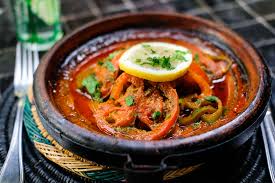
Savouring the Delights of Traditional Moroccan Food: A Culinary Journey Through Morocco’s Flavours
The Flavours of Morocco: Exploring Traditional Moroccan Cuisine When it…

Top Travel Tips for a Memorable Journey
Tips for a Stress-Free Travel Experience Tips for a Stress-Free…

Ultimate Marrakech Morocco Travel Guide: Unveiling the Charm of a Cultural Gem
Marrakech, Morocco Travel Guide Exploring the Vibrant Charm of Marrakech,…