
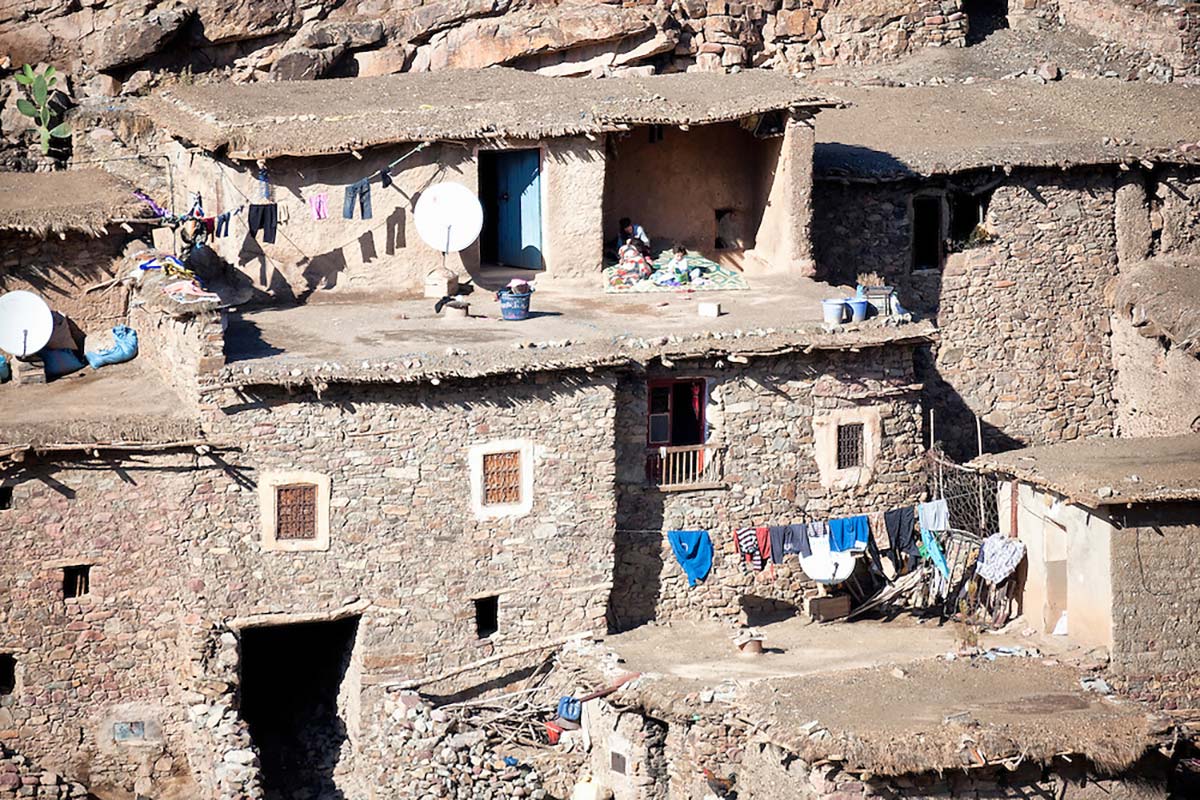
The Rich History of Berber People in Morocco
The Berber people, also known as the Amazigh, have a deep and fascinating history that is intricately woven into the cultural tapestry of Morocco. Originating from North Africa, the Berbers are one of the indigenous groups of the region, with a heritage that dates back thousands of years.
Ancient Roots
The history of the Berber people can be traced back to ancient times when they inhabited the lands stretching from present-day Morocco to Egypt. Known for their nomadic lifestyle and skilled craftsmanship, the Berbers played a significant role in shaping the cultural landscape of North Africa.
Cultural Contributions
Throughout history, the Berbers have made invaluable contributions to art, music, language, and architecture in Morocco. Their intricate geometric designs in pottery and textiles, traditional music instruments like the bendir and guembri, as well as their unique dialects and script, all reflect their rich cultural heritage.
Resistance and Resilience
Over centuries, the Berber people have faced various challenges including invasions, colonization, and marginalization. Despite these hardships, they have shown remarkable resilience in preserving their traditions and identity. The Berbers’ resistance to external influences has been a testament to their strong sense of pride and unity.
Modern Revival
In recent years, there has been a renewed interest in celebrating and preserving Berber culture in Morocco. Festivals showcasing traditional music and dance, museums dedicated to Amazigh history, and efforts to revive endangered dialects are all part of this cultural revival.
Conclusion
The history of the Berber people is a story of endurance, creativity, and cultural richness. As integral members of Moroccan society, the Berbers continue to shape the country’s identity with their vibrant traditions and unwavering spirit. Their legacy serves as a reminder of the enduring power of heritage in a rapidly changing world.
Exploring the Rich Tapestry of Berber Morocco: Heritage, Art, and Revival
- 1. Rich Cultural Heritage
- 2. Artistic Contributions
- 3. Historical Significance
- 4. Unique Language and Script
- 5. Architectural Influence
- 6. Cultural Revival
Challenges in Berber Morocco’s History: Marginalisation, Colonial Influence, and Language Loss
1. Rich Cultural Heritage
The rich cultural heritage of Berber Morocco history is a testament to the enduring legacy of a people whose traditions have been passed down through generations over thousands of years. From vibrant art forms to intricate rituals, Berber culture offers a window into traditional practices and customs that have shaped the identity of Morocco. This deep connection to their heritage not only preserves the past but also enriches the present, providing valuable insights into a way of life that continues to inspire and captivate individuals around the world.
2. Artistic Contributions
The Berber people have made significant artistic contributions to Moroccan culture, from intricate pottery designs to vibrant music traditions. Their artistic prowess is evident in the intricate geometric patterns adorning pottery, textiles, and architecture, showcasing a mastery of craftsmanship passed down through generations. Additionally, traditional Berber music, characterized by rhythmic beats and unique instruments like the bendir and guembri, adds a melodic richness to Morocco’s cultural landscape. These artistic expressions not only reflect the creativity and skill of the Berber people but also serve as a testament to their cultural legacy that continues to inspire and enchant audiences worldwide.
3. Historical Significance
The historical significance of the Berbers in Morocco lies in their remarkable resilience and adaptation to challenges spanning centuries. Through their enduring presence and cultural evolution, the Berbers have demonstrated a profound ability to overcome adversities, preserving their heritage and traditions amidst changing times. Their history serves as a testament to the strength and adaptability of a people deeply rooted in the fabric of Morocco’s rich tapestry.
4. Unique Language and Script
Berber languages and scripts are unique linguistic features that reflect the distinct identity of the Amazigh people in Morocco. With a variety of dialects spoken across different regions, Berber languages showcase the diversity and richness of this ancient culture. The scripts used to write Berber languages, such as Tifinagh, are not only visually striking but also symbolize the heritage and resilience of the Berber community. Preserving these unique linguistic elements is essential in safeguarding the cultural legacy of the Amazigh people and highlighting their significant contribution to Morocco’s linguistic landscape.
5. Architectural Influence
Berber architecture in Morocco showcases a remarkable fusion of tradition and nature, leaving an indelible mark on the country’s landscapes. The distinctive structures crafted by the Berber people harmoniously blend with the natural environment, creating a unique aesthetic that is both functional and visually striking. From kasbahs to adobe villages, Berber architectural influence can be seen throughout Morocco, reflecting a deep connection to the land and a profound respect for sustainable building practices. The enduring legacy of Berber architecture serves as a testament to the ingenuity and cultural significance of this ancient community.
6. Cultural Revival
In modern-day Morocco, there is a burgeoning movement dedicated to celebrating and safeguarding Berber culture, marking a significant cultural revival. This proactive approach ensures that the rich traditions of the Berber people not only endure but flourish for generations to come. Through festivals, museums, language preservation efforts, and other initiatives, the vibrant heritage of the Berbers is being honoured and passed down to future generations, contributing to the diverse tapestry of Moroccan society.
Marginalization
Throughout history, the Berber people in Morocco have frequently encountered marginalization and discrimination, posing significant obstacles to the preservation of their cultural identity. From being sidelined in political decision-making to facing social stigmatization, Berbers have struggled to maintain their traditions and language in the face of external pressures. The systemic marginalization of the Berber community has hindered their ability to fully express their heritage and has underscored the importance of advocating for inclusivity and recognition of their unique contributions to Moroccan society.
Colonial Influence
During the colonial period in Morocco, the influence of foreign powers had a profound impact on Berber communities. The imposition of colonial rule disrupted traditional ways of life and eroded centuries-old cultural practices among the Berbers. The introduction of new governance systems, economic structures, and social norms challenged the autonomy and identity of the Berber people, leading to a period of cultural upheaval and adaptation. The colonial influence left a lasting mark on Berber history, shaping their resilience and determination to preserve their heritage in the face of external pressures.
Loss of Language
The loss of language poses a significant con in Berber Morocco history. With Arabic established as the official language in Morocco, the diverse Berber dialects face the risk of gradual extinction, endangering the linguistic richness and cultural heritage of the Berber people. This shift towards Arabic dominance not only threatens the survival of unique dialects but also undermines the importance of preserving linguistic diversity within Moroccan society. The fading away of Berber languages represents a loss of ancestral knowledge and traditions that have been passed down through generations, highlighting the urgent need to safeguard and revitalise these endangered linguistic treasures.
Related Posts
Indulging in the Timeless Charm of Traditional Moroccan Cookies
Exploring the Sweet Delights of Traditional Moroccan Cookies Exploring the…
Unveiling the Timeless Traditions of Morocco
The Enchanting Traditions of Morocco Stepping into Morocco is like…
Discover the Best Casablanca Sightseeing Places for an Unforgettable Experience
Exploring the Vibrant City of Casablanca: Top Sightseeing Places Nestled…