
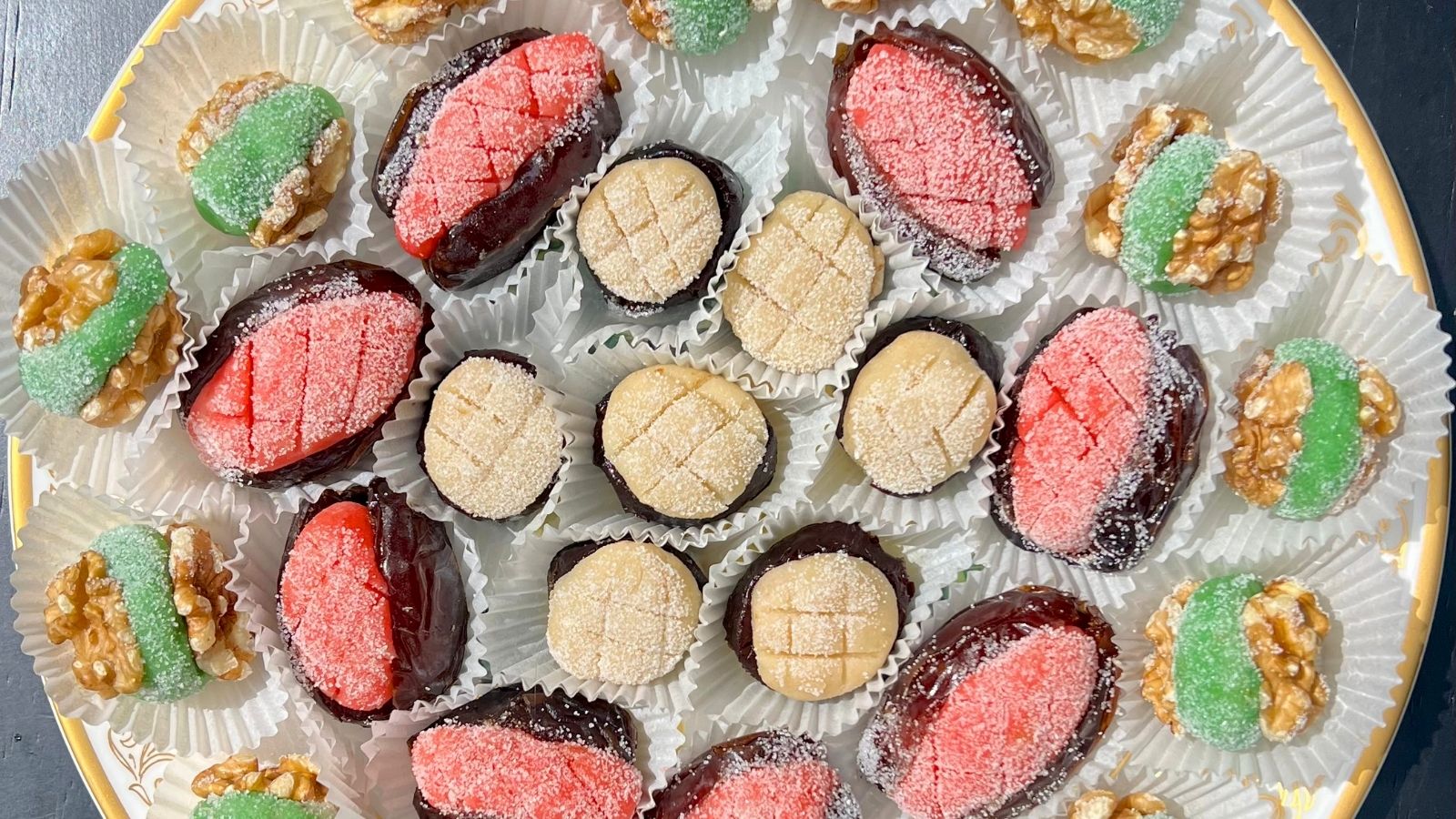
The Sweet Delights of Moroccan Desserts with Dates
When it comes to indulging in the sweet side of Moroccan cuisine, one cannot overlook the exquisite desserts made with dates. Dates have been a staple ingredient in Moroccan cooking for centuries, adding natural sweetness and a rich flavour to traditional dishes. Let’s explore some of the delectable Moroccan desserts that celebrate the magic of dates.
Date Filled Ma’amoul
Ma’amoul is a popular Moroccan pastry that is often filled with a sweet date mixture. These delicate pastries are typically enjoyed during special occasions and festivals. The combination of buttery pastry and luscious date filling creates a perfect harmony of flavours that will leave you craving for more.
Stuffed Dates with Almonds
In Morocco, dates are often stuffed with almonds or other nuts to create a simple yet irresistible treat. The natural sweetness of the dates pairs beautifully with the crunchiness of the nuts, making it a delightful snack or after-dinner treat.
Date and Walnut Cake
A moist and decadent date and walnut cake is a popular dessert in Moroccan households. The sweetness of the dates combined with the earthy flavour of walnuts creates a heavenly dessert that is perfect for enjoying with a cup of mint tea.
Date Pudding
Date pudding is a comforting dessert that warms both the heart and soul. Made with pureed dates, warm spices, and topped with a luscious caramel sauce, this dessert is sure to become a family favourite during cold winter evenings.
Date and Orange Salad
For those looking for a lighter option, a refreshing date and orange salad is an excellent choice. The sweetness of the dates pairs beautifully with the tangy citrus flavours of oranges, creating a vibrant and healthy dessert option.
Whether you have a sweet tooth or simply appreciate the natural goodness of dates, Moroccan desserts featuring this versatile fruit are sure to delight your taste buds. Indulge in these sweet treats and experience the culinary magic of Morocco right in your own home.
Exploring Moroccan Desserts: Popular Sweets, Date Biscuits, and Traditional Treats
- What is the most popular dessert in Morocco?
- What are Moroccan date biscuits?
- What are traditional moroccan sweets?
- How do moroccans eat dates?
- What are the dates in Morocco?
What is the most popular dessert in Morocco?
One of the most frequently asked questions about Moroccan desserts is, “What is the most popular dessert in Morocco?” Without a doubt, one of the most beloved and iconic Moroccan desserts featuring dates is Ma’amoul. These delectable pastries filled with a sweet date mixture are a staple during festive occasions and celebrations across Morocco. The perfect blend of buttery pastry and luscious date filling makes Ma’amoul a true culinary delight that captures the essence of Moroccan sweetness and tradition.
What are Moroccan date biscuits?
Moroccan date biscuits, also known as “Ma’amoul,” are a delightful treat that encapsulates the essence of Moroccan dessert culture. These biscuits are traditionally made with a buttery dough that encases a sweet and sticky date filling. The combination of the tender pastry and the rich, caramel-like flavour of the dates creates a harmonious balance of sweetness and texture. Often enjoyed during festive occasions or as an everyday indulgence, Moroccan date biscuits offer a taste of tradition and warmth in every bite.
What are traditional moroccan sweets?
Traditional Moroccan sweets encompass a wide array of delectable treats, with dates playing a prominent role in many recipes. From the iconic date-filled ma’amoul pastries to the indulgent date and walnut cakes, Moroccan desserts showcase a blend of rich flavours and textures that have been perfected over generations. Stuffed dates with almonds offer a simple yet satisfying snack option, while date pudding and date and orange salad provide comforting and refreshing choices, respectively. These traditional Moroccan sweets not only tantalise the taste buds but also reflect the cultural richness and culinary heritage of Morocco.
How do moroccans eat dates?
In Moroccan culture, dates hold a special place as a symbol of hospitality and tradition. Moroccans often incorporate dates into their daily diet in various ways, showcasing the versatility of this sweet fruit. Dates are commonly enjoyed on their own as a quick and nutritious snack, providing an instant energy boost. They are also a popular ingredient in many Moroccan desserts, adding natural sweetness and depth of flavour. Additionally, dates are often served alongside a cup of mint tea as a gesture of welcome to guests, highlighting the importance of hospitality in Moroccan customs. Whether eaten plain, stuffed with nuts, or used in decadent pastries, Moroccans embrace dates as a timeless culinary treasure that reflects their rich cultural heritage.
What are the dates in Morocco?
In Morocco, dates are not only a popular fruit but also a key ingredient in many traditional desserts. The dates grown in Morocco are known for their exceptional quality and rich, sweet flavour. These dates are often used in various culinary creations, from stuffed pastries to decadent cakes, showcasing the versatility and natural sweetness of this beloved fruit. Whether enjoyed on their own as a nutritious snack or incorporated into sumptuous desserts, Moroccan dates play a significant role in the country’s vibrant culinary heritage.
Related Posts
Essential Morocco Travel Guide: Unveiling the Magic of North Africa
Morocco Travel Guide The Ultimate Morocco Travel Guide Welcome to…
Discover Enchanting Agadir: Morocco’s Captivating Tourist Attractions
Agadir, Morocco Tourist Attractions Exploring Agadir: A Treasure Trove of…
Unveiling the Magic: Marrakech City Sightseeing Adventure
Exploring the Charm of Marrakech: A City Sightseeing Adventure Exploring…