
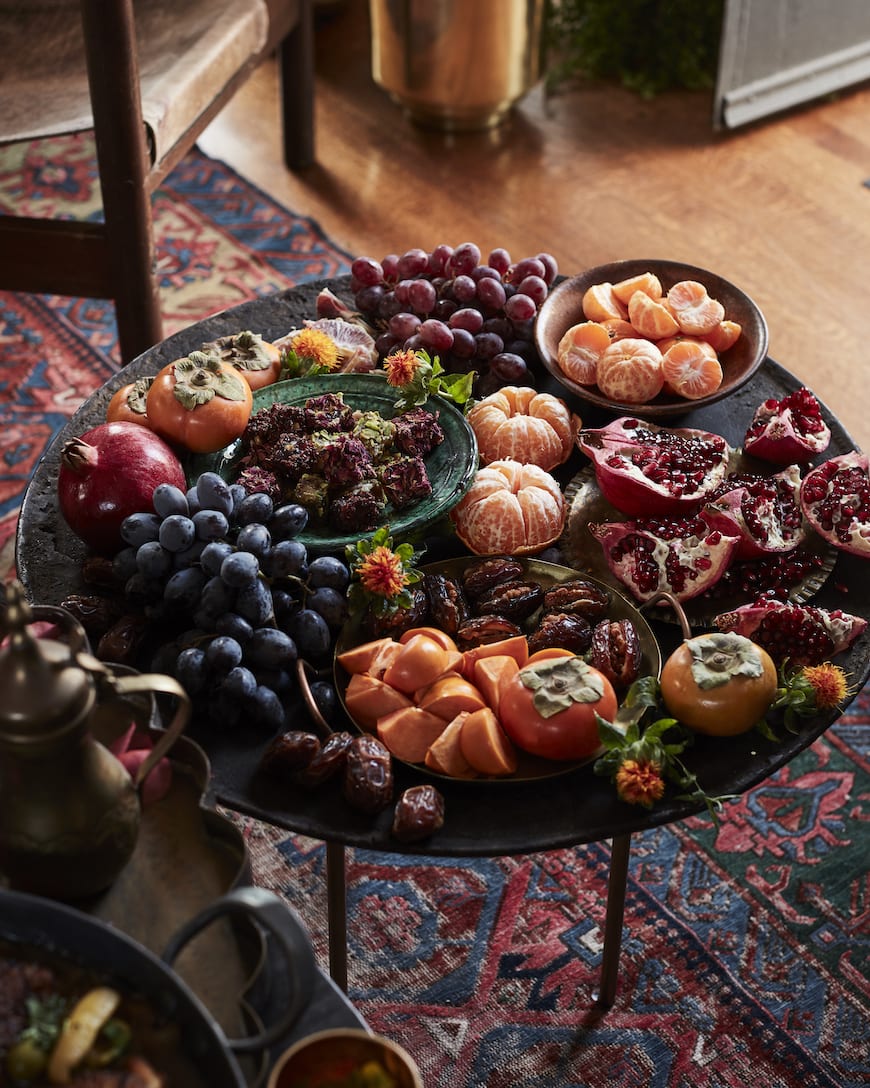
The Flavours of Morocco: A Culinary Journey Through Moroccan Holiday Food
When it comes to experiencing the essence of Morocco, one cannot overlook the tantalising holiday food that graces the tables during festive occasions. From vibrant tagines to sweet pastries, Moroccan cuisine is a celebration of flavour, tradition, and hospitality.
Tagines: The Heart of Moroccan Feasting
Tagines are synonymous with Moroccan cuisine and are a staple during holiday gatherings. These slow-cooked stews combine tender meat—such as lamb, chicken, or beef—with an array of spices, dried fruits, and nuts. The result is a harmonious blend of savoury and sweet flavours that dance on your taste buds.
Couscous: A Symbol of Togetherness
Couscous holds a special place in Moroccan culture and is often served during festive occasions. This fluffy semolina dish is traditionally steamed and topped with a rich stew of vegetables, meat, and chickpeas. Sharing a steaming plate of couscous symbolises unity and togetherness among family and friends.
Pastilla: A Delicate Delight
For those with a sweet tooth, pastilla is a must-try dessert during Moroccan holidays. This flaky pastry is filled with layers of spiced minced meat or shredded chicken, nuts, and dusted with powdered sugar and cinnamon. The contrast between savoury and sweet flavours makes pastilla an indulgent treat that captures the essence of Moroccan culinary artistry.
Mint Tea: The Elixir of Hospitality
No Moroccan holiday feast is complete without a pot of fragrant mint tea. Served in ornate glasses with a generous dose of fresh mint leaves and sugar cubes, this refreshing beverage symbolises hospitality and warmth in Moroccan culture. Each sip transports you to the bustling souks and serene riads nestled within Morocco’s vibrant landscape.
Embark on a culinary journey through Morocco’s holiday food to savour the rich tapestry of flavours that define this North African gem. Whether you’re enjoying tagines with loved ones or sipping mint tea under the desert sun, each bite offers a glimpse into the heart and soul of Morocco’s vibrant culinary heritage.
Exploring Moroccan Cuisine: Answers to 8 Common Questions About Traditional Holiday Foods
- What is the popular food of Morocco?
- What are typical Moroccan foods?
- What do Moroccans have for lunch?
- What is Morocco’s main dish?
- What is the most eaten food in Morocco?
- What is the national dish of Morocco?
- What is a traditional Moroccan breakfast?
- What’s a good Moroccan dish for beginners?
What is the popular food of Morocco?
A frequently asked question regarding Moroccan holiday food is, “What is the popular food of Morocco?” The answer lies in the diverse and flavourful dishes that define Moroccan cuisine. From aromatic tagines bursting with spices and tender meat to fluffy couscous topped with a medley of vegetables and meats, Moroccan cuisine offers a tantalising array of flavours and textures. Additionally, the sweet delicacies like pastries filled with nuts and spices showcase the country’s rich culinary heritage. Each bite of these popular dishes encapsulates the essence of Morocco’s vibrant food culture, making it a must-try for any culinary enthusiast.
What are typical Moroccan foods?
Exploring the vibrant tapestry of Moroccan cuisine unveils a treasure trove of flavours and aromas that define this North African culinary landscape. When pondering the question “What are typical Moroccan foods?”, one is transported to a world where tagines reign supreme, couscous unites families, and mint tea symbolises hospitality. From the fragrant spices of ras el hanout to the sweet indulgence of pastries like baklava, Moroccan cuisine is a harmonious blend of savoury and sweet notes that captivate the senses. Whether savouring a hearty bowl of harira soup during Ramadan or delighting in the intricate layers of a bastilla pastry at festive gatherings, each dish tells a story steeped in tradition and shared with warmth and generosity.
What do Moroccans have for lunch?
In Morocco, lunch is a significant meal that brings families and friends together to savour a variety of traditional dishes. A typical Moroccan lunch often includes hearty tagines, fragrant couscous with vegetables and meat, flavourful kebabs, or aromatic salads such as zaalouk or taktouka. Accompanied by freshly baked bread and a side of olives, lunchtime in Morocco is a celebration of culinary diversity and communal dining experiences that reflect the country’s rich cultural tapestry.
What is Morocco’s main dish?
Morocco’s main dish, often considered the country’s culinary masterpiece, is the iconic tagine. This slow-cooked stew takes its name from the traditional earthenware pot in which it is prepared. Tagines typically feature tender meat—such as lamb, chicken, or beef—cooked with a medley of aromatic spices, dried fruits, and nuts. The result is a harmonious blend of flavours that encapsulates the essence of Moroccan cuisine. Served piping hot and accompanied by fluffy couscous or crusty bread, a tagine embodies the rich cultural heritage and warm hospitality that define dining experiences in Morocco.
What is the most eaten food in Morocco?
In Morocco, one of the most frequently eaten and beloved dishes is couscous. This iconic dish holds a special place in Moroccan cuisine and culture, often enjoyed as a staple meal during festive occasions and family gatherings. The fluffy semolina grains are steamed to perfection and served with a rich stew of vegetables, meat, and chickpeas, creating a hearty and flavourful combination that embodies the essence of Moroccan hospitality and togetherness. Whether savoured at home or in bustling souks, couscous remains a quintessential part of Moroccan dining experience.
What is the national dish of Morocco?
One of the frequently asked questions about Moroccan holiday food is, “What is the national dish of Morocco?” The answer lies in the iconic tagine—a slow-cooked stew that embodies the essence of Moroccan cuisine. Typically prepared in a conical clay pot of the same name, the tagine features a medley of tender meat, aromatic spices, dried fruits, and nuts. This flavourful dish symbolises the rich culinary heritage and cultural diversity of Morocco, making it a beloved staple on dining tables during festive occasions and everyday meals alike.
What is a traditional Moroccan breakfast?
In Morocco, a traditional breakfast is a delightful spread that reflects the country’s diverse culinary influences. A typical Moroccan breakfast often includes an assortment of bread such as khobz (round flatbread) or msemen (flaky pancakes), served with an array of accompaniments like honey, jams, olives, and creamy Amlou (a dip made from almonds, argan oil, and honey). Additionally, a variety of cheeses, boiled eggs, fresh fruits like oranges or dates, and mint tea are commonly enjoyed to kickstart the day. This hearty and flavourful breakfast not only satisfies the taste buds but also embodies the warmth and hospitality that characterise Moroccan dining traditions.
What’s a good Moroccan dish for beginners?
For those embarking on their culinary exploration of Moroccan holiday food, a perfect dish for beginners is the classic Moroccan couscous. This iconic dish offers a delightful introduction to the vibrant flavours and aromatic spices that define Moroccan cuisine. Couscous is versatile and can be paired with a variety of vegetables, meats, and legumes, making it a customizable option for those new to Moroccan cooking. Its fluffy texture and savoury broth create a comforting and satisfying meal that captures the essence of hospitality and tradition in every bite.
Related Posts

Discovering Casablanca: Unveiling Morocco’s Enchanting Tourist Attractions
Exploring Casablanca: Top Tourist Attractions in Morocco Exploring Casablanca: Top…
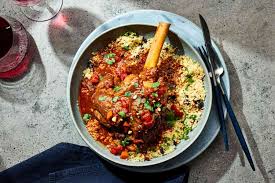
Savour the Flavours: Exploring Exquisite Moroccan Dishes
Exploring the Exquisite Flavours of Moroccan Dishes Exploring the Exquisite…
Essential Travel Tips for Exploring Morocco
Travelling to Morocco: Tips for an Unforgettable Experience Travelling to…