
The Flavours of Morocco: Exploring Moroccan Style Dishes
When it comes to culinary delights, Moroccan cuisine stands out for its vibrant flavours, aromatic spices, and unique cooking techniques. From fragrant tagines to fluffy couscous, Moroccan style dishes offer a sensory journey that reflects the country’s rich history and diverse cultural influences.
Tagines: The Heart of Moroccan Cooking
Tagines are iconic Moroccan dishes named after the earthenware pot in which they are cooked. These slow-cooked stews typically combine tender meat—such as lamb, chicken, or beef—with a medley of vegetables, fruits, nuts, and spices. The result is a melting pot of sweet and savoury flavours that tantalise the taste buds.
Couscous: A Staple of Moroccan Dining
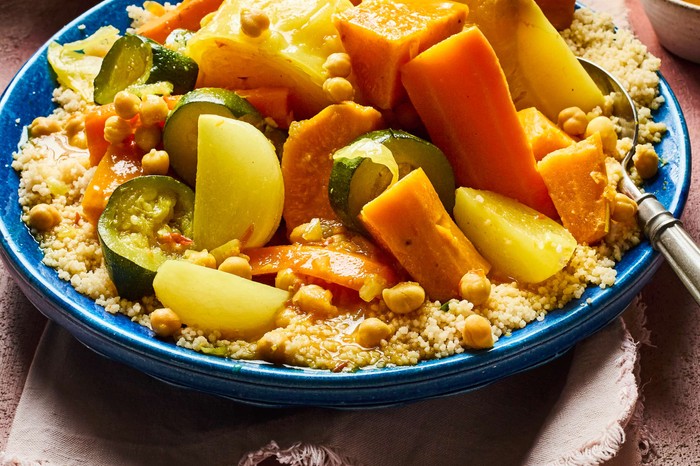
Couscous is a staple in Moroccan cuisine and a symbol of hospitality. This tiny grain-like pasta is steamed to perfection and served as a base for savoury tagines or topped with vegetables, meat, or seafood. Fluffy and light, couscous embodies the essence of comfort food in Morocco.
Moroccan Pastilla: A Sweet-Savoury Delight
Moroccan pastilla is a unique dish that blends sweet and savoury flavours in perfect harmony. Traditionally made with layers of thin pastry filled with spiced meat—often pigeon or chicken—almonds, eggs, and aromatic herbs, pastilla is dusted with powdered sugar and cinnamon for a delightful contrast of tastes.
Mint Tea: The Elixir of Moroccan Hospitality
No culinary journey through Morocco is complete without sipping on traditional mint tea. Known as “Moroccan whiskey,” this sweetened green tea infused with fresh mint leaves is a symbol of hospitality and friendship. The ritual of pouring mint tea from high above enhances its flavour and aroma.
Exploring Moroccan Cuisine
From the bustling markets of Marrakech to the coastal towns of Essaouira, Moroccan style dishes reflect the country’s diverse landscapes and cultural heritage. Whether you’re savouring a hearty tagine or indulging in delicate pastries, each bite transports you to the vibrant streets of Morocco.
Exploring the Rich and Flavourful World of Moroccan Cuisine: Six Compelling Reasons to Savour Its Unique Delights
- 1. Bursting with vibrant flavours that awaken the taste buds.
- 2. Offers a unique blend of sweet and savoury elements in every dish.
- 3. Utilises aromatic spices like cumin, cinnamon, and saffron for an exotic taste experience.
- 4. Incorporates fresh ingredients such as olives, dates, and preserved lemons for authenticity.
- 5. Provides a variety of vegetarian options like hearty vegetable tagines and couscous dishes.
- 6. Reflects the rich cultural heritage of Morocco through traditional cooking methods and recipes.
Potential Drawbacks of Moroccan Cuisine: Time, Spice, Ingredients, Richness, and Acquired Tastes
- Some Moroccan dishes can be quite time-consuming to prepare due to the intricate cooking techniques and lengthy marinating times.
- Moroccan cuisine often relies heavily on the use of spices, which may not appeal to those who prefer milder flavours.
- Authentic Moroccan ingredients may not always be readily available in all regions, making it challenging to recreate traditional dishes.
- Certain Moroccan style dishes, such as pastilla, can be quite rich and indulgent, making them less suitable for those watching their calorie intake.
- The use of preserved lemons and olives in some Moroccan dishes may not suit everyone’s palate due to their intense and acquired taste.
1. Bursting with vibrant flavours that awaken the taste buds.
Moroccan style dishes are a culinary delight, bursting with vibrant flavours that awaken the taste buds with each bite. The intricate blend of aromatic spices, fresh herbs, and exotic ingredients creates a symphony of tastes that dance on the palate. From the zesty tang of preserved lemons to the earthy warmth of cumin and cinnamon, every element in Moroccan cuisine is carefully curated to deliver a sensory experience like no other. With each dish, you embark on a flavourful journey that immerses you in the rich tapestry of Moroccan gastronomy.
2. Offers a unique blend of sweet and savoury elements in every dish.
Moroccan style dishes stand out for their ability to offer a unique blend of sweet and savoury elements in every dish. This harmonious combination creates a sensory experience that tantalises the taste buds, showcasing the diverse flavours and culinary creativity of Moroccan cuisine. From tagines infused with fruits and nuts to pastries dusted with sugar and cinnamon, each bite captures the essence of this delightful balance between sweet and savoury, making every meal a truly memorable and flavourful journey through Morocco’s rich gastronomic traditions.
3. Utilises aromatic spices like cumin, cinnamon, and saffron for an exotic taste experience.
Moroccan style dishes offer a tantalising culinary experience by utilising aromatic spices such as cumin, cinnamon, and saffron. These exotic flavours not only add depth and richness to the dishes but also create a sensory journey that transports diners to the vibrant markets of Morocco. The combination of these spices infuses each bite with a unique and unforgettable taste that is both comforting and adventurous, making Moroccan cuisine a true delight for the senses.
4. Incorporates fresh ingredients such as olives, dates, and preserved lemons for authenticity.
Moroccan style dishes stand out for their authenticity by incorporating a variety of fresh ingredients such as olives, dates, and preserved lemons. These key components not only add depth of flavour but also reflect the rich culinary heritage of Morocco. The use of these fresh ingredients enhances the overall taste profile of Moroccan dishes, creating a unique and unforgettable dining experience that captures the essence of traditional Moroccan cuisine.
5. Provides a variety of vegetarian options like hearty vegetable tagines and couscous dishes.
Moroccan style dishes offer a delightful pro by providing a diverse array of vegetarian options that cater to plant-based diets. From hearty vegetable tagines bursting with flavourful spices to fluffy couscous dishes adorned with an assortment of vegetables, Moroccan cuisine ensures that vegetarians can savour the richness and depth of traditional flavours without compromising on taste or satisfaction. With its emphasis on fresh produce and aromatic herbs, Morocco’s culinary repertoire truly shines in its ability to create wholesome and satisfying vegetarian dishes that appeal to all palates.
6. Reflects the rich cultural heritage of Morocco through traditional cooking methods and recipes.
Moroccan style dishes offer a unique culinary experience that reflects the rich cultural heritage of Morocco through traditional cooking methods and recipes. Each dish tells a story of centuries-old traditions, passed down through generations, and honours the diverse influences that have shaped Moroccan cuisine. From slow-cooked tagines to fluffy couscous, every bite carries the essence of Morocco’s vibrant history and deep-rooted culinary customs, making every meal a journey through time and culture.
Some Moroccan dishes can be quite time-consuming to prepare due to the intricate cooking techniques and lengthy marinating times.
Some Moroccan dishes can be quite time-consuming to prepare, requiring patience and dedication in the kitchen. The intricate cooking techniques and lengthy marinating times involved in crafting these culinary delights contribute to their rich and complex flavours. From slow-cooked tagines simmering for hours to meats marinating overnight in a blend of spices, the meticulous preparation of Moroccan style dishes demands a commitment to honouring tradition and creating authentic taste experiences.
Moroccan cuisine often relies heavily on the use of spices, which may not appeal to those who prefer milder flavours.
Moroccan cuisine’s reliance on a plethora of spices can be a con for individuals who favour milder flavours in their dishes. The bold and aromatic spice blends used in Moroccan cooking, such as cumin, cinnamon, and paprika, may overwhelm palates accustomed to more subtle tastes. For those with a preference for gentler seasoning profiles, the intensity of Moroccan spices could potentially be overpowering and detract from their dining experience.
Authentic Moroccan ingredients may not always be readily available in all regions, making it challenging to recreate traditional dishes.
Obtaining authentic Moroccan ingredients can pose a significant challenge for those outside the region, hindering the ability to faithfully replicate traditional Moroccan dishes. The unique spices, herbs, and specialty items integral to Moroccan cuisine may not always be easily accessible in all regions, limiting the authenticity of homemade creations. This scarcity of ingredients can result in altered flavours and textures, ultimately impacting the overall dining experience and preventing enthusiasts from fully immersing themselves in the rich culinary heritage of Morocco.
Certain Moroccan style dishes, such as pastilla, can be quite rich and indulgent, making them less suitable for those watching their calorie intake.
Certain Moroccan style dishes, such as pastilla, can be quite rich and indulgent, making them less suitable for those watching their calorie intake. Pastilla, with its layers of pastry filled with spiced meat, almonds, and eggs, often topped with powdered sugar and cinnamon, is a delicious but calorically dense treat. While these dishes are a delight for the taste buds, individuals mindful of their calorie consumption may need to enjoy them in moderation to maintain a balanced diet.
The use of preserved lemons and olives in some Moroccan dishes may not suit everyone’s palate due to their intense and acquired taste.
The incorporation of preserved lemons and olives in certain Moroccan dishes may present a challenge for some individuals, as their strong and acquired flavours might not align with everyone’s palate. Preserved lemons, with their tangy and slightly bitter profile, add a distinctive citrusy punch to dishes, while olives contribute a briny and salty note. These ingredients are integral to many traditional Moroccan recipes, offering a unique depth of flavour that may require an acquired taste to fully appreciate.
Related Posts

Unveiling the Finest Culinary Experiences: Best Cooking Classes Around the Globe
Exploring the Best Cooking Classes Around the World Exploring the…

Discover Budget-Friendly Overnight Accommodation Near Me
Cheap Overnight Stays Near You Discover Affordable Accommodation Options Near…

Unveiling the Magic of Transformative Trips: A Journey Beyond Boundaries
The Joy of Trips: Exploring the World Beyond The Joy…