
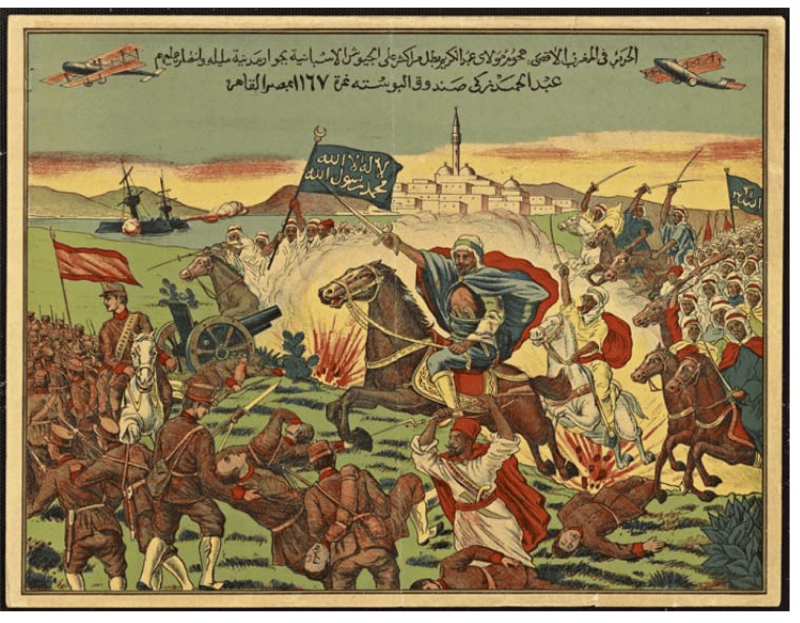
The War History of Morocco
Morocco, a country known for its vibrant culture and stunning landscapes, also has a rich history of conflicts and wars that have shaped its identity over the centuries. From ancient battles to modern warfare, Morocco’s military history is a tapestry woven with conquests, resistance, and strategic alliances.
Ancient Battles
Throughout antiquity, Morocco was a crossroads of civilisations where various empires vied for control. Phoenicians, Carthaginians, Romans, Vandals, and Byzantines all left their mark on the region through military campaigns and clashes. One of the most significant ancient battles in Moroccan history was the Battle of the Three Kings in 1578, where Portuguese forces clashed with Moroccan armies led by King Sebastian.
Colonial Era
During the 19th and 20th centuries, Morocco became a battleground for European powers seeking to expand their empires. The Scramble for Africa saw France and Spain establish protectorates in different regions of Morocco, leading to conflicts such as the Rif War (1920-1926) against Spanish colonial forces.
Independence Struggles
In the mid-20th century, Morocco fought for independence from French and Spanish colonial rule. The struggle culminated in the Rif War against Spanish forces and later in the Moroccan Independence Movement led by figures like Sultan Mohammed V. In 1956, Morocco finally gained independence from France and Spain after years of resistance and diplomatic manoeuvring.
Modern Conflicts
Since gaining independence, Morocco has faced various challenges on both domestic and international fronts. The Western Sahara conflict remains unresolved as Morocco asserts its claim over the region while facing opposition from Sahrawi independence movements. Additionally, terrorism threats have posed security concerns in the region.
Military Contributions
Despite its tumultuous history of wars and conflicts, Morocco has also made significant contributions to peacekeeping missions under the United Nations. The country’s armed forces have participated in missions across Africa and beyond to promote stability and security in conflict zones.
Conclusion
The war history of Morocco reflects a complex narrative of conquests, struggles for independence, and ongoing challenges in maintaining peace and security. As a nation with a deep-rooted military tradition, Morocco continues to navigate its historical legacy while striving for stability and progress in an ever-changing world.
Exploring Morocco’s Military Heritage: Key Conflicts and Contributions
- Morocco has a rich history of warfare, with conflicts dating back centuries.
- The Battle of Tétouan in 1860 was a significant victory for Morocco against Spain.
- Morocco gained independence from France and Spain in 1956 after years of struggle and conflict.
- The Green March in 1975 was a peaceful mass demonstration that led to the annexation of Western Sahara by Morocco.
- Morocco has been involved in various regional conflicts, including the Western Sahara conflict with the Polisario Front.
- The Moroccan Army is one of the largest and most well-equipped in Africa.
- Morocco played a role in supporting allied forces during World War II, particularly in North Africa.
- The country has a long tradition of military service and many Moroccans have served as peacekeepers in international missions.
Morocco has a rich history of warfare, with conflicts dating back centuries.
Morocco boasts a storied legacy of warfare, with a history steeped in conflicts that stretch back through the annals of time. From ancient battles to modern skirmishes, the country’s narrative is intricately woven with tales of military prowess and strategic manoeuvres. The echoes of past conflicts resonate through Morocco’s landscapes, shaping its identity and resilience in the face of adversity.
The Battle of Tétouan in 1860 was a significant victory for Morocco against Spain.
The Battle of Tétouan in 1860 stands as a pivotal moment in Morocco’s war history, marking a significant triumph over Spain. This decisive victory showcased Morocco’s military strength and strategic prowess, solidifying its position as a formidable force in the region. The outcome of the battle not only bolstered Moroccan morale but also underscored the country’s determination to defend its sovereignty against foreign incursions.
Morocco gained independence from France and Spain in 1956 after years of struggle and conflict.
Morocco’s hard-fought battle for independence culminated in a significant victory in 1956 when the country finally broke free from the colonial grip of France and Spain. Years of relentless struggle and conflict, marked by resistance movements and diplomatic efforts, paved the way for Morocco to reclaim its sovereignty and chart its own course as a sovereign nation.
The Green March in 1975 was a peaceful mass demonstration that led to the annexation of Western Sahara by Morocco.
In 1975, the Green March emerged as a remarkable chapter in Morocco’s war history, symbolising a peaceful yet powerful mass movement that ultimately resulted in the annexation of Western Sahara. This iconic demonstration, where thousands of Moroccans marched into the disputed territory, marked a significant turning point in the region’s geopolitics and Morocco’s territorial expansion. The Green March not only showcased Morocco’s strategic prowess but also highlighted the complexities and implications of border disputes and sovereignty claims in North Africa.
Morocco has been involved in various regional conflicts, including the Western Sahara conflict with the Polisario Front.
Morocco has a history of involvement in several regional conflicts, notably the ongoing dispute over the Western Sahara region with the Polisario Front. This conflict, rooted in competing claims to sovereignty over the territory, has been a significant challenge for Morocco as it seeks to assert its control while facing opposition from the Sahrawi independence movement. The conflict highlights the complexities of territorial disputes and the enduring impact of historical tensions on modern geopolitics in the region.
The Moroccan Army is one of the largest and most well-equipped in Africa.
The Moroccan Army stands out as one of the largest and most well-equipped military forces on the African continent. With modern weaponry, advanced training, and a robust infrastructure, the Moroccan Army plays a significant role in maintaining national security and contributing to peacekeeping efforts both regionally and internationally. Its size and capabilities underscore Morocco’s commitment to safeguarding its borders and addressing security challenges effectively, reflecting the country’s strategic importance in the broader African context.
Morocco played a role in supporting allied forces during World War II, particularly in North Africa.
During World War II, Morocco played a significant role in supporting allied forces, especially in North Africa. The strategic location of Morocco made it a crucial base for military operations and supply routes during the conflict. Moroccan troops fought alongside allied forces, contributing to key victories in the North African campaign. The country’s involvement in the war effort showcased its commitment to international cooperation and solidarity in the face of global challenges.
The country has a long tradition of military service and many Moroccans have served as peacekeepers in international missions.
The country of Morocco boasts a deep-rooted tradition of military service, with a significant number of Moroccans having dedicated themselves to serving in various capacities. Notably, many Moroccans have actively participated as peacekeepers in international missions, showcasing their commitment to promoting stability and security on a global scale. Through their involvement in peacekeeping efforts, these individuals exemplify Morocco’s ongoing dedication to contributing towards maintaining peace and resolving conflicts beyond its borders.
Related Posts

Experience the Enchantment: Almond Blossom Festival Morocco 2023
The Almond Blossom Festival in Morocco 2023: A Celebration of…
Unveiling the Timeless Traditions of Morocco
The Enchanting Traditions of Morocco Stepping into Morocco is like…

Savouring the Flavours of Morocco: Exploring the Art of Tagine
The Art of Tagine: A Culinary Journey Through Morocco The…