
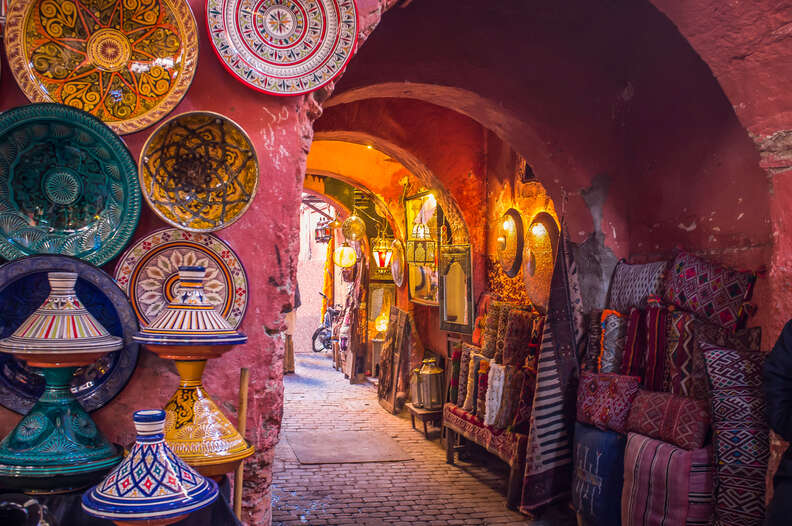
The Cultural Tapestry of Morocco
Nestled at the crossroads of Africa, Europe, and the Middle East, Morocco boasts a vibrant and diverse cultural heritage that has been shaped by centuries of history and influences from various civilizations. From the bustling markets of Marrakech to the tranquil blue streets of Chefchaouen, Morocco’s cultural tapestry is a sight to behold.
Art and Architecture
One of the most striking aspects of Moroccan culture is its exquisite art and architecture. Intricate tile work, colourful mosaics, and ornate carvings adorn mosques, palaces, and traditional houses known as riads. The famous Medersa Ben Youssef in Marrakech and the Hassan II Mosque in Casablanca are prime examples of Moroccan architectural marvels.
Cuisine and Hospitality
Moroccan cuisine is a delightful fusion of flavours from Berber, Arab, Andalusian, and Mediterranean traditions. Savoury tagines, fluffy couscous, aromatic mint tea, and sweet pastries like baklava tantalize the taste buds of visitors. Moroccan hospitality is legendary—guests are warmly welcomed into homes for traditional meals and treated with genuine kindness.
Music and Dance
The rhythmic beats of Moroccan music echo through bustling souks and tranquil oases. From traditional Berber folk music to energetic Gnawa performances with their hypnotic trance-inducing rhythms, music is an integral part of Moroccan culture. The country’s diverse dance forms like Raïs (a type of folk dance) showcase the passion and joy that Moroccans express through movement.
Festivals and Celebrations
Morocco’s calendar is filled with vibrant festivals that celebrate religious occasions, harvest seasons, or historical events. The Festival of Roses in Kelaat M’Gouna honours the blooming roses in May while Eid al-Fitr marks the end of Ramadan with feasting and festivities. The annual Fes Festival of World Sacred Music brings together artists from around the globe for a soul-stirring celebration.
Traditional Crafts
Morocco is renowned for its skilled artisans who create exquisite handicrafts using age-old techniques passed down through generations. From intricate leatherwork in Fes to vibrant textiles in Tangier’s markets, each region boasts its own unique craft traditions. Visitors can witness craftsmen at work in souks or visit cooperatives supporting local artisans.
Preserving Heritage for Future Generations
As Morocco embraces modernity while honouring its past, efforts are underway to preserve its rich cultural heritage for future generations. Initiatives such as restoration projects for historic sites, cultural education programmes in schools, and support for traditional crafts aim to safeguard Morocco’s identity amidst a changing world.
Exploring Morocco’s cultural treasures offers a glimpse into a world where artistry meets tradition, hospitality knows no bounds, and celebrations resonate with joy. Whether strolling through ancient medinas or sipping tea on a rooftop terrace overlooking the Atlas Mountains—Morocco invites you to immerse yourself in its captivating cultural mosaic.
Understanding Morocco: Key Cultural Insights and FAQs
- Do females have to cover up in Morocco?
- Do and don’ts in Morocco?
- What is the main culture of Morocco?
- What are 5 examples of cultural traditions?
- What is Morocco famous for?
- What is Moroccan culture known for?
Do females have to cover up in Morocco?
In Morocco, the cultural norms regarding clothing and modesty are influenced by Islamic traditions. While there is no strict dress code mandated by law for women, it is generally advisable for female visitors to dress modestly out of respect for local customs. This often includes covering the shoulders, cleavage, and knees. In more conservative areas or when visiting religious sites, wearing loose-fitting clothing and a headscarf may be appreciated. Ultimately, understanding and adhering to these cultural expectations can help female visitors feel more comfortable and show respect for Moroccan traditions.
Do and don’ts in Morocco?
Travellers to Morocco often wonder about the cultural do’s and don’ts to ensure a respectful and enjoyable experience in this vibrant country. When visiting Morocco, it is important to greet locals with a friendly “Salaam alaikum” (Peace be upon you) and respect Islamic customs by dressing modestly, especially when visiting religious sites. It is customary to remove your shoes before entering someone’s home and use your right hand for eating or greeting others. However, it is advisable not to drink alcohol in public places, show public displays of affection, or wear revealing clothing to avoid causing offence. By embracing these cultural norms and showing appreciation for Moroccan traditions, visitors can forge meaningful connections and immerse themselves in the rich tapestry of Moroccan society.
What is the main culture of Morocco?
The main culture of Morocco is a rich tapestry woven from diverse influences that have shaped the country’s unique identity. Moroccan culture is a blend of Berber, Arab, and European traditions, creating a vibrant mosaic of art, architecture, cuisine, music, and customs. From the intricate tile work of mosques to the lively rhythms of traditional music and dance, Morocco’s cultural landscape reflects centuries of history and heritage. Hospitality plays a central role in Moroccan culture, with warm welcomes and shared meals embodying the spirit of community and connection that defines this enchanting North African nation.
What are 5 examples of cultural traditions?
Morocco’s cultural traditions are as diverse as they are captivating, offering a glimpse into the rich tapestry of its heritage. Five examples of these cherished traditions include the art of henna tattooing, where intricate designs are applied to the skin during special occasions like weddings and festivals. Moroccan mint tea rituals symbolize hospitality and warmth, with the pouring process itself considered an art form. The traditional Moroccan attire, such as the djellaba and kaftan, reflects both elegance and practicality in everyday wear. Gnawa music, a spiritual genre blending African rhythms with Islamic chants, is a soul-stirring tradition that has been passed down through generations. Lastly, the annual Festival of Fantasia showcases equestrian skills and Berber horsemanship in a vibrant celebration of Morocco’s proud heritage.
What is Morocco famous for?
Morocco is renowned for its captivating blend of cultural influences that have shaped its identity over centuries. From the vibrant souks of Marrakech to the intricate tile work of Fes, Morocco is famous for its exquisite art and architecture that reflect a rich history of Berber, Arab, and European heritage. The country’s cuisine, with fragrant tagines, fluffy couscous, and sweet pastries, delights food enthusiasts worldwide. Moroccan hospitality is legendary, with locals welcoming visitors with open arms into their homes for traditional meals and mint tea. Music and dance form an integral part of Moroccan culture, showcasing diverse rhythms and movements that express the country’s vibrant spirit. Festivals like the Festival of Roses and the Fes Festival of World Sacred Music highlight Morocco’s celebration of traditions and creativity. With a reputation for skilled artisans creating intricate handicrafts and a commitment to preserving its cultural heritage, Morocco’s fame lies in its ability to enchant travellers with a tapestry of sights, sounds, and flavours that leave a lasting impression.
What is Moroccan culture known for?
Moroccan culture is renowned for its vibrant blend of influences from Berber, Arab, and European traditions, creating a rich tapestry of art, architecture, cuisine, music, and hospitality. The intricate tile work and colourful mosaics adorning mosques and palaces showcase the country’s exceptional craftsmanship. Moroccan cuisine tantalises the taste buds with fragrant tagines, fluffy couscous, and sweet pastries. Music and dance form an integral part of Moroccan life, with rhythmic beats resonating through bustling markets. The warmth of Moroccan hospitality is legendary, as guests are welcomed with open arms into homes for traditional meals. Festivals celebrating religious events and harvest seasons bring communities together in joyous celebration. Overall, Moroccan culture is a captivating fusion of history, artistry, and tradition that continues to enchant visitors from around the world.
Related Posts
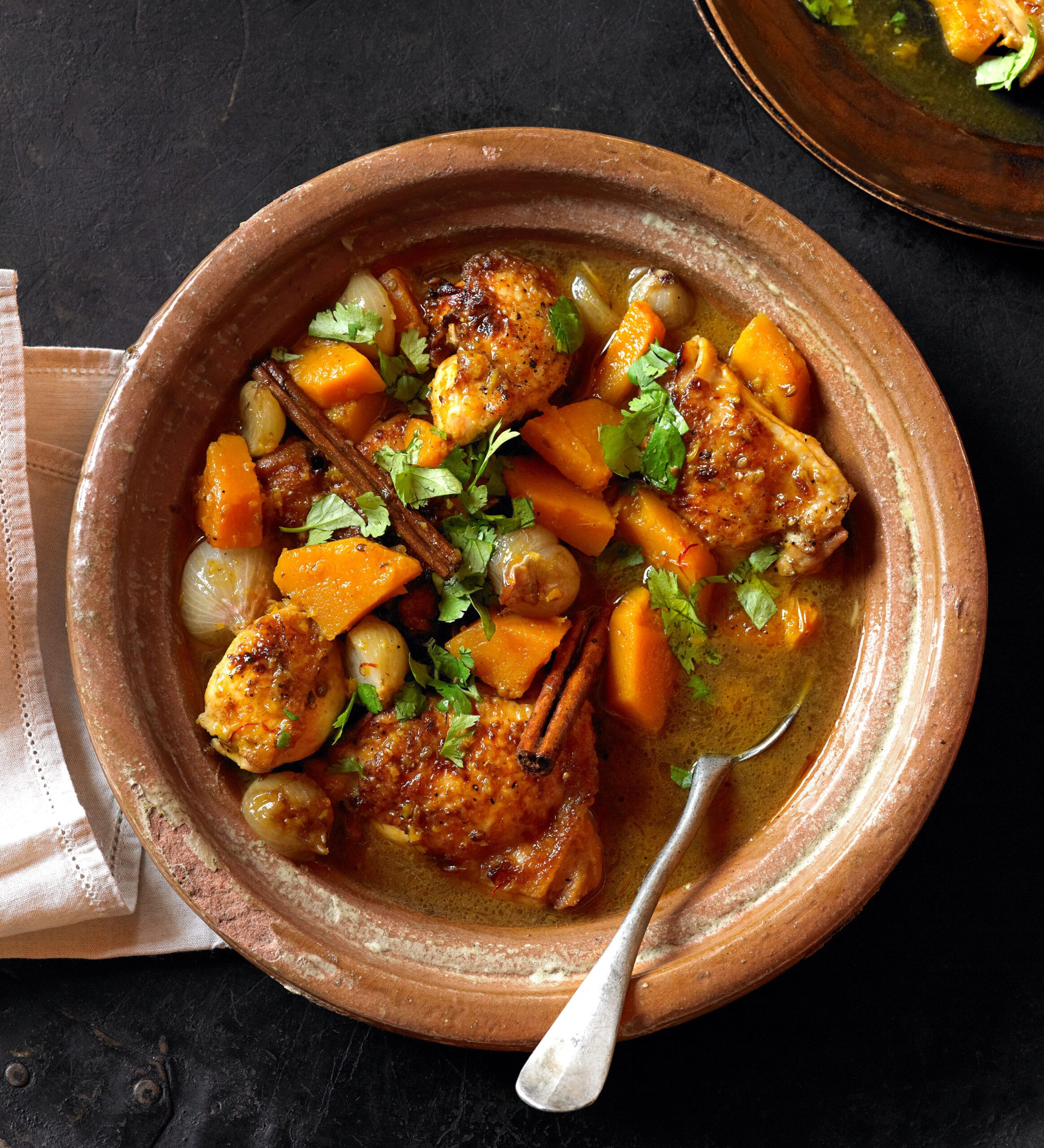
Savour the Best Moroccan Food: Must-Try Delicacies to Indulge In
Must-Try Moroccan Food: A Culinary Journey Through Morocco Must-Try Moroccan…

Embracing the Power of Physical Activity for a Healthier Lifestyle
The Importance of Staying Active The Importance of Staying Active…
Mastering Culinary Delights: Elevate Your Skills with an At-Home Cooking Class
Bringing the Flavours Home: The Joy of At-Home Cooking Classes…