
The Culinary Delights of Morocco: Exploring the Most Popular Moroccan Dishes
Moroccan cuisine is a vibrant tapestry of flavours, spices, and influences that have been shaped by centuries of history and culture. From the bustling markets of Marrakech to the seaside towns of Essaouira, Morocco’s culinary landscape is as diverse as its geography. Let’s take a gastronomic journey through some of the most popular Moroccan dishes that have captivated taste buds around the world.
Tagine
Tagine is perhaps the most iconic dish of Morocco. Named after the earthenware pot in which it is cooked, tagine typically consists of slow-cooked meat (such as lamb or chicken), vegetables, and a blend of aromatic spices like cumin, turmeric, and cinnamon. The result is a tender and flavourful stew that is often served with couscous or bread.
Couscous
Couscous holds a special place in Moroccan cuisine as a staple dish enjoyed across the country. This tiny steamed semolina pasta is often paired with a savoury stew made with vegetables, meat, and chickpeas. Couscous is traditionally prepared on Fridays—a day when families come together to share this comforting and hearty meal.
Pastilla
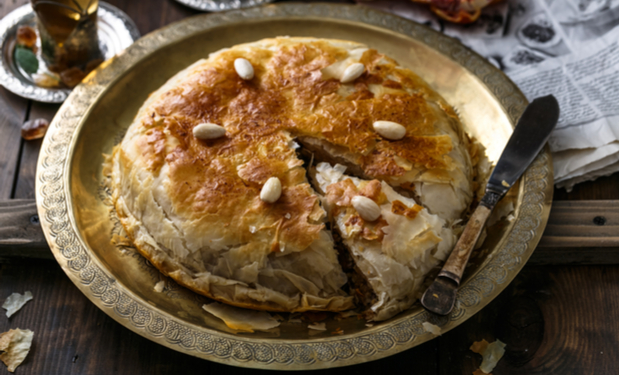
Pastilla, also known as “bastilla,” is a unique Moroccan dish that combines sweet and savoury flavours in perfect harmony. This delicate pastry is typically filled with shredded chicken or pigeon meat, almonds, eggs, and aromatic spices like saffron and cinnamon. Topped with powdered sugar and cinnamon, pastilla offers a delightful contrast of textures and tastes.
Harira
Harira is a traditional Moroccan soup that holds a special place during Ramadan and other festive occasions. This hearty soup features a tomato base mixed with lentils, chickpeas, rice, herbs, and spices like ginger and cinnamon. Harira is often enjoyed with dates and chebakia (a sesame cookie) to break the fast during Ramadan.
Moroccan Mint Tea
No culinary journey through Morocco would be complete without sipping on a glass of refreshing Moroccan mint tea. Known as “atay,” this sweet green tea infused with fresh mint leaves is an integral part of Moroccan hospitality and culture. The art of pouring mint tea from high above to create froth adds an element of flair to this beloved beverage.
These are just a few highlights from Morocco’s diverse culinary repertoire that continue to enchant food enthusiasts worldwide. Whether you’re indulging in the warmth of tagine or savouring the sweetness of pastilla, each bite offers a glimpse into Morocco’s rich heritage and culinary traditions.
Exploring the Rich Tapestry of Moroccan Cuisine: Flavour, Nutrition, and Tradition
- Rich in Flavour
- Nutrient-Rich Ingredients
- Culinary Diversity
- Satisfying Comfort Food
- Unique Combinations
- Traditional Cooking Techniques
- Cultural Experience
Exploring the Challenges of Popular Moroccan Dishes: Time, Ingredients, and Dietary Considerations
- Some Moroccan dishes can be quite time-consuming to prepare due to the slow cooking methods involved.
- Certain traditional Moroccan dishes may contain ingredients that are not easily accessible in all regions of the world.
- The rich spices used in Moroccan cuisine may not appeal to individuals who prefer milder flavours.
- Moroccan dishes often use a significant amount of oil or butter, which may not align with a low-fat diet.
- For those with dietary restrictions, such as gluten intolerance or vegetarian preferences, finding suitable Moroccan dishes can be challenging.
- Authentic Moroccan dining experiences may be expensive in some restaurants, especially outside of Morocco.
- The intense flavours and bold spices in some Moroccan dishes might not suit everyone’s palate.
Rich in Flavour
Moroccan dishes stand out for their richness in flavour, thanks to the bold and aromatic spices that are integral to their preparation. Each bite of a Moroccan dish is like a culinary journey, with a symphony of tastes dancing on the palate. The intricate blend of spices such as cumin, turmeric, saffron, and cinnamon creates a sensory experience that is both exotic and comforting. From the earthy warmth of a tagine to the fragrant sweetness of Moroccan mint tea, every dish tells a story of Morocco’s vibrant culinary heritage and leaves a lasting impression on those who taste it.
Nutrient-Rich Ingredients
Moroccan cuisine stands out for its emphasis on nutrient-rich ingredients, showcasing a harmonious blend of fresh vegetables and lean meats in its most popular dishes. From the vibrant tagines bursting with colourful vegetables to the protein-packed couscous stews, each meal is thoughtfully crafted to provide a well-rounded mix of essential nutrients. This focus on wholesome ingredients not only enhances the flavours but also ensures that diners enjoy a healthy and balanced culinary experience that nourishes both body and soul.
Culinary Diversity
Moroccan cuisine shines brightly due to its remarkable culinary diversity, drawing inspiration from a blend of Berber, Arab, and Mediterranean influences. This fusion of culinary traditions results in a vibrant tapestry of flavours and spices that set Moroccan dishes apart. From the aromatic tagines to the fragrant couscous, each dish tells a story of Morocco’s rich history and cultural exchange. The diverse influences present in Moroccan cuisine not only tantalise the taste buds but also offer a unique glimpse into the country’s multicultural heritage, making every meal a delightful journey through centuries of culinary evolution.
Satisfying Comfort Food
Indulge in the satisfying comfort of Moroccan cuisine with dishes like tagine and couscous, which offer a warm embrace of flavours and textures. These hearty meals not only nourish the body but also feed the soul, making them perfect for sharing with loved ones. Whether gathered around a communal table or enjoying a cosy meal at home, the rich aromas and vibrant tastes of Moroccan dishes create an atmosphere of togetherness and contentment that transcends mere sustenance.
Unique Combinations
Moroccan cuisine stands out for its unique combinations that intertwine sweet and savoury flavours, resulting in a culinary experience like no other. The artful pairing of ingredients such as fruits, nuts, spices, and meats creates a symphony of tastes that tantalise the taste buds and offer a delightful contrast in every bite. This harmonious fusion of flavours not only showcases the creativity and complexity of Moroccan cooking but also reflects the diverse cultural influences that have shaped the country’s culinary landscape over time. From the aromatic tagines to the delicate pastries, each dish tells a story of tradition, innovation, and a deep appreciation for the interplay of flavours in Moroccan gastronomy.
Traditional Cooking Techniques
Traditional Cooking Techniques: Many popular Moroccan dishes are slow-cooked or prepared using traditional methods that enhance their depth of flavour. The art of slow cooking allows the ingredients to meld together, creating rich and complex tastes that are characteristic of Moroccan cuisine. By simmering meats, vegetables, and spices over a gentle heat for extended periods, these dishes develop a depth of flavour that cannot be rushed. This patient approach to cooking not only tenderizes the ingredients but also infuses them with the essence of Moroccan spices and aromatics, resulting in dishes that are truly a celebration of time-honoured culinary traditions.
Cultural Experience
Indulging in the most popular Moroccan dishes goes beyond mere dining; it offers a profound cultural experience that allows you to delve into the depths of the country’s rich history and traditions. Each bite of tagine, couscous, or pastilla carries with it centuries of culinary heritage, reflecting the diverse influences that have shaped Moroccan cuisine. From the bustling souks to the family dining tables, savouring these iconic dishes is a sensory journey that connects you to the heart and soul of Morocco, inviting you to embrace its vibrant culture with every flavourful mouthful.
Some Moroccan dishes can be quite time-consuming to prepare due to the slow cooking methods involved.
Some Moroccan dishes can be quite time-consuming to prepare due to the slow cooking methods involved. Traditional recipes often require hours of simmering to allow the flavours to meld together and create that signature depth of taste. From slow-cooked tagines to elaborate pastillas, the art of patience is essential in mastering these intricate dishes. While the lengthy preparation time may deter some, the reward of savouring a well-crafted Moroccan meal that has been nurtured with care and attention is truly worth the wait.
Certain traditional Moroccan dishes may contain ingredients that are not easily accessible in all regions of the world.
Certain traditional Moroccan dishes may pose a challenge for aspiring chefs outside of Morocco due to the availability of specific ingredients that are not easily accessible in all regions of the world. From unique spices like ras el hanout to specialty items such as preserved lemons or argan oil, recreating authentic Moroccan flavours can sometimes require a bit of culinary exploration and resourcefulness. However, with the increasing global interest in diverse cuisines, many of these ingredients are becoming more readily available in international markets, allowing food enthusiasts to embark on a delicious journey into the heart of Moroccan gastronomy.
The rich spices used in Moroccan cuisine may not appeal to individuals who prefer milder flavours.
The vibrant and aromatic spices that characterise Moroccan cuisine, while celebrated for their depth and complexity, may not always suit those with a preference for milder flavours. The bold combination of cumin, paprika, cinnamon, and other spices can be intense for some palates, potentially overwhelming those who are accustomed to more subtle tastes. Individuals who lean towards a gentler culinary experience may find the robust spiciness of Moroccan dishes challenging to fully appreciate. However, for those willing to embrace the bold flavours of Morocco, the diverse and tantalising world of Moroccan cuisine offers a unique and unforgettable gastronomic adventure.
Moroccan dishes often use a significant amount of oil or butter, which may not align with a low-fat diet.
Moroccan cuisine, renowned for its rich and aromatic flavours, often incorporates a generous amount of oil or butter in its cooking techniques. While these ingredients contribute to the delicious taste and texture of dishes like tagine and couscous, they may not be suitable for individuals following a low-fat diet. The high fat content in some Moroccan recipes can pose a challenge for those seeking to reduce their fat intake for health reasons. It is important for individuals to be mindful of their dietary preferences and make informed choices when enjoying the tantalising offerings of Moroccan cuisine.
For those with dietary restrictions, such as gluten intolerance or vegetarian preferences, finding suitable Moroccan dishes can be challenging.
For those with dietary restrictions, such as gluten intolerance or vegetarian preferences, navigating the world of Moroccan cuisine can present challenges. Many traditional Moroccan dishes are centred around grains like couscous and bread, which can be problematic for individuals with gluten intolerance. Additionally, meat plays a prominent role in Moroccan cooking, making it challenging for vegetarians to find suitable options. However, with growing awareness and culinary innovation, there are now more restaurants and recipes offering gluten-free and vegetarian adaptations of classic Moroccan dishes to cater to a wider range of dietary needs.
Authentic Moroccan dining experiences may be expensive in some restaurants, especially outside of Morocco.
Authentic Moroccan dining experiences can be a delightful journey for the senses, but they may come at a cost, particularly when enjoyed in restaurants located outside of Morocco. The intricacies of traditional Moroccan dishes, the use of premium ingredients, and the skilled preparation techniques contribute to the higher prices associated with authentic dining experiences. While these costs reflect the quality and authenticity of the cuisine, they can pose a challenge for those seeking an immersive taste of Morocco without travelling to the country itself. Despite the expense, the allure of savouring genuine Moroccan flavours remains a tempting indulgence for food enthusiasts looking to explore the rich culinary heritage of this North African gem.
The intense flavours and bold spices in some Moroccan dishes might not suit everyone’s palate.
While Moroccan cuisine is celebrated for its rich and diverse flavours, it is important to note that the intense spices and bold combinations may not appeal to every palate. Some individuals may find certain Moroccan dishes overwhelming due to the potent mix of spices such as cumin, cinnamon, and saffron. The strong flavours characteristic of Moroccan cooking can be an acquired taste for those unaccustomed to such robust seasoning profiles. However, for those willing to embrace the vibrant culinary experience that Morocco offers, exploring milder dishes or adjusting spice levels can still provide a delightful gastronomic adventure.
Related Posts
Exploring a Unique Cooking Experience Near Me: Unleashing Culinary Creativity in My Local Area
Exploring Culinary Delights Near Me Embarking on a culinary journey…
Exploring the Essence of Moroccan Staple Foods: A Culinary Journey Through Tradition and Taste
The Flavours of Morocco: Exploring Moroccan Staple Foods The Flavours…

Mastering Culinary Delights: Elevate Your Skills with an At-Home Cooking Class
Bringing the Flavours Home: The Joy of At-Home Cooking Classes…