

Recreational Cooking Classes: Unleash Your Inner Chef
Are you looking to spice up your culinary skills and add some flavour to your life? Recreational cooking classes might just be the perfect recipe for you. These classes offer a fun and interactive way to learn new dishes, techniques, and cuisines while enjoying a hands-on cooking experience.
Benefits of Recreational Cooking Classes
Whether you’re a novice in the kitchen or a seasoned home cook, recreational cooking classes cater to all skill levels. Here are some benefits of enrolling in these classes:
- Learn New Skills: Explore different cooking styles, ingredients, and methods under the guidance of experienced chefs.
- Expand Your Culinary Repertoire: Discover new recipes and cuisines that you can recreate at home to impress family and friends.
- Socialise and Connect: Meet like-minded food enthusiasts and bond over a shared love for cooking while creating delicious meals together.
- Boost Confidence: Gain confidence in the kitchen as you master new techniques and experiment with diverse flavours.
- Relaxation and Stress Relief: Cooking can be therapeutic, allowing you to unwind, de-stress, and express your creativity through food.
What to Expect in Recreational Cooking Classes
From baking workshops to international cuisine classes, recreational cooking courses offer a variety of options to suit your interests. Here’s what you can expect when you sign up for a class:
- Hands-On Experience: Get hands-on experience preparing dishes from start to finish with guidance from professional chefs.
- Tasting Sessions: Sample your creations and receive feedback on taste, presentation, and techniques for improvement.
- Cooking Tips and Tricks: Learn valuable tips, tricks, and shortcuts that will enhance your cooking skills in the kitchen.
- Camaraderie: Enjoy a supportive and friendly environment where you can share laughs, swap stories, and build lasting friendships over shared meals.
- Culinary Inspiration: Ignite your passion for cooking as you explore new flavours, ingredients, and culinary traditions from around the world.
In Conclusion
If you’re looking to embark on a culinary adventure, consider enrolling in recreational cooking classes. Whether you’re interested in mastering French pastries or perfecting the art of sushi-making, these classes offer a delightful blend of education, entertainment, and gastronomic satisfaction. So roll up your sleeves, don an apron, and get ready to unleash your inner chef in an exciting world of recreational cooking!
Top 5 Tips for Choosing and Making the Most of Recreational Cooking Classes
- Look for classes that focus on cuisines or techniques you are interested in.
- Check the class size to ensure personalized attention from the instructor.
- Read reviews or ask for recommendations to find high-quality cooking classes.
- Don’t be afraid to ask questions and interact with other participants during the class.
- Practice what you’ve learned at home to reinforce your skills and knowledge.
Look for classes that focus on cuisines or techniques you are interested in.
When considering recreational cooking classes, it’s advisable to seek out courses that align with your culinary preferences and aspirations. Opt for classes that concentrate on cuisines or techniques that pique your interest, allowing you to delve deeper into specific cooking styles or dishes that captivate you. By selecting classes tailored to your preferences, you can enhance your skills and knowledge in areas that truly inspire you, making the learning experience more engaging and rewarding.
Check the class size to ensure personalized attention from the instructor.
When considering recreational cooking classes, it is advisable to check the class size to guarantee personalised attention from the instructor. A smaller class size allows for more one-on-one interaction with the chef, enabling participants to receive individualised guidance, feedback, and support throughout the cooking session. This ensures that each student can fully engage with the material, ask questions, and refine their culinary skills under the expert supervision of the instructor. By prioritising smaller class sizes, participants can make the most of their learning experience and enhance their cooking abilities in a focused and supportive environment.
Read reviews or ask for recommendations to find high-quality cooking classes.
When considering recreational cooking classes, it is advisable to read reviews or seek recommendations to identify top-notch cooking courses that meet your expectations. By perusing reviews from past participants or seeking advice from friends and family, you can gain insights into the quality, atmosphere, and overall experience of various cooking classes. This proactive approach can help you select a high-quality culinary programme that aligns with your interests and ensures a rewarding learning journey in the kitchen.
Don’t be afraid to ask questions and interact with other participants during the class.
During recreational cooking classes, it’s important not to be afraid to ask questions and interact with other participants. Engaging with your fellow cooking enthusiasts and the instructor can enhance your learning experience and foster a sense of camaraderie in the kitchen. Don’t hesitate to seek clarification, share tips, or exchange culinary ideas with others—it’s all part of the fun and collaborative spirit of these classes. Embrace the opportunity to connect with like-minded individuals and make the most of your time exploring the world of food together.
Practice what you’ve learned at home to reinforce your skills and knowledge.
To truly make the most of your recreational cooking classes, it is essential to practice what you’ve learned at home. Reinforcing your skills and knowledge through hands-on experience in your own kitchen not only solidifies the techniques you’ve been taught but also boosts your confidence and creativity. By experimenting with recipes, ingredients, and cooking methods outside of the classroom setting, you can further hone your culinary abilities and develop a deeper appreciation for the art of cooking. So, don’t just stop at the end of a class – take the skills you’ve acquired home with you and continue to explore the world of flavours and possibilities that recreational cooking has to offer.
Related Posts
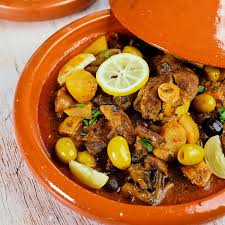
Unveiling the Magic of the Moroccan Tagine: A Culinary Journey Through Tradition
Exploring the Flavours of Morocco: The Exquisite Tagine Dish Exploring…

Essential Things to Know Before Travelling to Morocco
Things to Know Before Traveling to Morocco Things to Know…

Exploring Chefchaouen: Unveiling Its Enchanting Tourist Attractions
Chefchaouen Tourist Attractions The Enchanting Beauty of Chefchaouen: A Guide…