
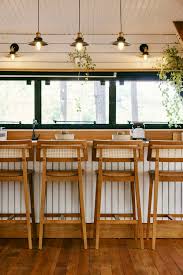
The Art of Dining: Exploring the World of Restaurants
Restaurants are more than just places to eat; they are vibrant hubs of culinary artistry, social gatherings, and cultural experiences. From cosy cafes to Michelin-starred establishments, restaurants offer a diverse range of flavours and atmospheres that cater to every palate and occasion.
A Feast for the Senses
Walking into a restaurant is like stepping into a sensory wonderland. The tantalising aroma of freshly cooked dishes wafts through the air, setting your taste buds abuzz with anticipation. The sight of beautifully plated meals, each a work of edible art, delights the eyes before you even take your first bite.
Culinary Creativity
Chefs in restaurants are like maestros conducting symphonies of flavour. They blend ingredients with precision and passion, creating dishes that not only satiate hunger but also evoke emotions and memories. From innovative fusion cuisine to classic comfort foods, restaurants showcase a kaleidoscope of culinary creativity.
A Social Tapestry
Restaurants serve as gathering places where friends catch up over brunch, families celebrate milestones with elaborate dinners, and strangers bond over shared meals. The convivial atmosphere fosters connections and creates lasting memories that go beyond just the food on the table.
Global Gastronomy
One of the most exciting aspects of dining out is exploring global cuisines without leaving your city. Restaurants specialising in Italian pasta, Japanese sushi, Indian curries, and more allow diners to embark on culinary journeys around the world, savouring diverse flavours and traditions.
The Future of Dining
As technology advances and dining trends evolve, restaurants continue to innovate to meet changing consumer preferences. From farm-to-table sustainability practices to immersive dining experiences that engage all senses, the future promises an exciting evolution in how we dine out.
In conclusion, restaurants are not just places to eat; they are vibrant reflections of our diverse world’s tastes, cultures, and creativity. So next time you step into a restaurant, savour not just the food but also the experience it offers—a true feast for all your senses.
Essential Information and Common Inquiries About Our Restaurant
- 1. What are the opening hours of the restaurant?
- 2. Do you have a menu for people with dietary restrictions, such as vegetarian or gluten-free options?
- 3. Is it necessary to make a reservation in advance?
- 4. What is the dress code for the restaurant?
- 5. Are children allowed in the restaurant, and do you have a kids’ menu?
- 6. Can I bring my own wine or alcoholic beverages, and is there a corkage fee?
- 7. How can I provide feedback or file a complaint about my dining experience?
1. What are the opening hours of the restaurant?
When inquiring about a restaurant’s opening hours, it is essential to plan your dining experience accordingly. Knowing the establishment’s operating hours ensures that you can enjoy your meal at a convenient time and avoid any disappointment due to unexpected closures. Whether you are seeking a hearty breakfast, a leisurely lunch, or an intimate dinner, being aware of the restaurant’s schedule allows you to make reservations or walk in with confidence, ready to savour the culinary delights awaiting you within its doors.
2. Do you have a menu for people with dietary restrictions, such as vegetarian or gluten-free options?
When dining out, many customers often inquire about the availability of menus catering to specific dietary restrictions, such as vegetarian or gluten-free options. It is essential for restaurants to accommodate varying dietary needs to ensure all guests can enjoy a satisfying and inclusive dining experience. By offering a diverse range of dishes that cater to different dietary requirements, restaurants can demonstrate their commitment to providing options that meet the needs of all patrons, regardless of their food preferences or restrictions.
3. Is it necessary to make a reservation in advance?
In the world of dining out, the question of whether it is necessary to make a reservation in advance often arises. While some restaurants welcome walk-in guests, especially during off-peak hours, popular establishments and fine dining venues typically require reservations to ensure a seamless dining experience. Making a reservation in advance not only guarantees you a table at your desired time but also allows the restaurant to prepare for your arrival, ensuring prompt service and attention to detail. So, if you have your heart set on a particular restaurant or are planning a special occasion, it’s advisable to make a reservation in advance to avoid disappointment and make the most of your dining experience.
4. What is the dress code for the restaurant?
When inquiring about the dress code for a restaurant, it is essential to consider the establishment’s ambiance and level of formality. Some restaurants may have specific attire requirements, such as smart casual or formal dress, to enhance the dining experience and maintain a certain level of decorum. It is advisable to check with the restaurant in advance or refer to their website for any guidelines regarding appropriate attire to ensure a comfortable and enjoyable dining experience for both patrons and staff.
5. Are children allowed in the restaurant, and do you have a kids’ menu?
When it comes to dining out, a common concern for parents is whether children are welcome in the restaurant and if there is a dedicated kids’ menu available. Many restaurants understand the importance of catering to families and offer child-friendly options on their menus to ensure that young diners have a variety of tasty and suitable choices. By providing a welcoming atmosphere for families and accommodating children’s dining needs, restaurants aim to create an enjoyable experience for all guests, regardless of age.
6. Can I bring my own wine or alcoholic beverages, and is there a corkage fee?
Many restaurants allow customers to bring their own wine or alcoholic beverages, but it’s important to check the restaurant’s corkage policy beforehand. Corkage fees, if applicable, are charges imposed by the restaurant for opening and serving bottles brought in by diners. These fees can vary depending on the establishment and are typically in place to cover service costs and potential loss of revenue from not selling beverages from their own list. It’s always courteous to inquire about corkage fees in advance to avoid any surprises and ensure a smooth dining experience.
7. How can I provide feedback or file a complaint about my dining experience?
If you wish to provide feedback or file a complaint about your dining experience, most restaurants welcome constructive criticism as it helps them improve their services. You can approach the restaurant manager or staff member politely and express your concerns in a calm and respectful manner. Alternatively, many restaurants provide feedback cards or online forms where you can share your thoughts anonymously. Remember that clear and specific feedback is more helpful than general complaints, and it allows the restaurant to address any issues and enhance your future dining experiences.
Related Posts

Harmonious Melodies: Essaouira Morocco Music Festival Celebrates Cultural Fusion
Essaouira Morocco Music Festival The Enchanting Essaouira Morocco Music Festival…

Exploring the Exquisite Flavours of Moroccan Style Dishes
Moroccan Style Dishes The Flavours of Morocco: Exploring Moroccan Style…

Unlocking the Secrets of Exceptional Accommodations: Your Key to a Memorable Stay
Exploring Accommodations: A Guide to Finding Your Home Away from…