
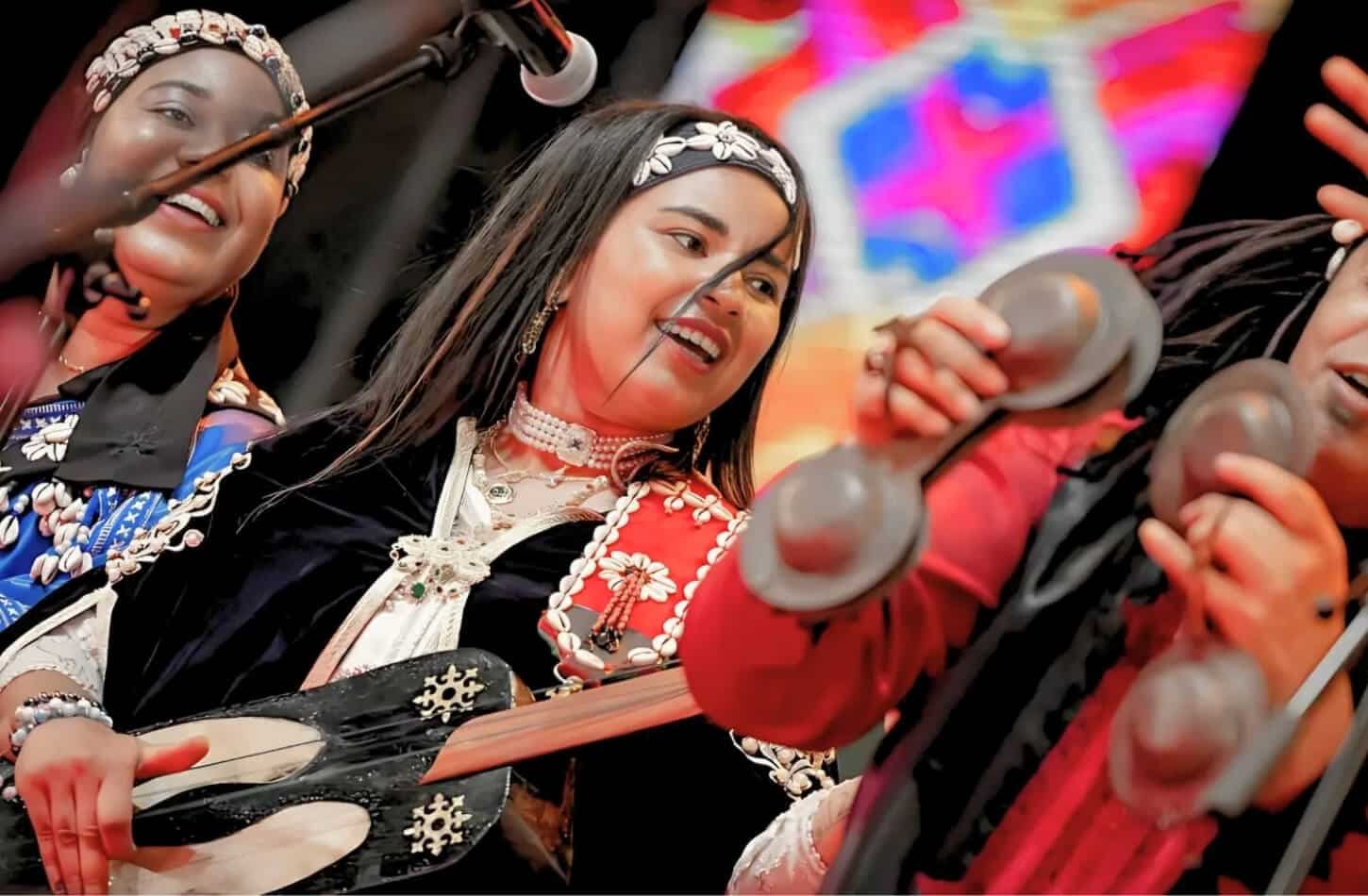
The Vibrant Tapestry of Traditional Festivals in Morocco
Immerse yourself in the kaleidoscope of colours, sounds, and traditions that define the rich tapestry of Morocco’s traditional festivals. From ancient rituals to modern celebrations, these vibrant events offer a glimpse into the soul of this captivating North African country.
Eid al-Fitr
One of the most important religious festivals in Morocco, Eid al-Fitr marks the end of Ramadan, the holy month of fasting for Muslims. Families come together to feast on delicious traditional dishes, exchange gifts, and offer prayers at mosques across the country.
Mawazine Festival
For music enthusiasts, the Mawazine Festival in Rabat is a must-visit event. This international music festival showcases a diverse range of genres, from traditional Moroccan music to contemporary pop and rock performances. The streets come alive with vibrant performances and cultural displays that attract visitors from around the world.
Gnaoua World Music Festival
Held annually in Essaouira, the Gnaoua World Music Festival celebrates the rich heritage of Gnaoua music—a unique blend of African, Arab, and Berber influences. Visitors can enjoy mesmerising performances by local and international artists against the backdrop of Essaouira’s picturesque medina and sandy beaches.
Rose Festival in El Kelaa des M’Gouna
Every May, the small town of El Kelaa des M’Gouna comes alive with the intoxicating scent of roses during its annual Rose Festival. This vibrant event honours the region’s rose harvest with colourful parades, traditional music and dance performances, and a bustling souk selling rose-infused products.
Fantasia Festival
A celebration of Morocco’s equestrian heritage, the Fantasia Festival is a thrilling display of horsemanship and traditional warfare reenactments. Riders dressed in elaborate costumes charge across open fields firing muskets into the air—a spectacle that pays homage to centuries-old traditions passed down through generations.
Tan-Tan Moussem
The Tan-Tan Moussem is a nomadic festival held in southern Morocco that brings together various tribes to celebrate their cultural heritage through music, dance, and storytelling. Visitors can witness colourful tented camps set up in the desert as participants engage in camel races and traditional competitions.
These are just a few examples of the diverse array of traditional festivals that showcase Morocco’s rich cultural heritage and vibrant community spirit. Whether you’re drawn to music, food, or folklore, these events offer an immersive experience that will leave you enchanted by Morocco’s timeless traditions.
Exploring the Vibrant World of Moroccan Traditional Festivals: A Guide to Customs, Participation, and Regional Variations
- What are the most popular traditional festivals in Morocco?
- When do traditional festivals typically take place in Morocco?
- How can tourists participate in traditional festivals in Morocco?
- Are there specific customs or traditions to follow when attending Moroccan festivals?
- What types of performances and activities can be expected at Moroccan traditional festivals?
- Do traditional festivals in Morocco vary by region or city?
- Are there any special accommodations or tours available for visitors during festival seasons in Morocco?
- What are some must-try foods and drinks at Moroccan traditional festivals?
- How can I learn more about the history and significance of specific Moroccan traditional festivals?
What are the most popular traditional festivals in Morocco?
Morocco boasts a rich tapestry of traditional festivals that showcase the country’s diverse cultural heritage. Among the most popular are Eid al-Fitr, marking the end of Ramadan with joyous feasting and prayers; the Mawazine Festival in Rabat, a vibrant celebration of international music; the Gnaoua World Music Festival in Essaouira, highlighting the hypnotic rhythms of Gnaoua music; the Rose Festival in El Kelaa des M’Gouna, a fragrant tribute to the region’s rose harvest; the electrifying Fantasia Festival honouring Morocco’s equestrian traditions; and the Tan-Tan Moussem, a nomadic gathering celebrating tribal culture in southern Morocco. These festivals offer immersive experiences that captivate visitors with their colourful traditions and lively celebrations.
When do traditional festivals typically take place in Morocco?
Traditional festivals in Morocco typically take place throughout the year, with many aligning with significant religious or seasonal events. For example, Eid al-Fitr, marking the end of Ramadan, is a major festival celebrated by Muslims in Morocco. Other festivals, such as the Rose Festival in El Kelaa des M’Gouna and the Fantasia Festival, have specific dates tied to local traditions and harvest seasons. From springtime rose festivals to summer music celebrations and autumn nomadic gatherings, Morocco offers a diverse calendar of traditional festivals that reflect the country’s cultural richness and heritage.
How can tourists participate in traditional festivals in Morocco?
To participate in traditional festivals in Morocco, tourists can plan their visit around specific festival dates, which are often announced well in advance. Researching the festival schedule and locations beforehand is crucial to ensure a seamless experience. Tourists can immerse themselves in the festivities by attending parades, music performances, cultural exhibitions, and traditional ceremonies. Engaging with locals and joining in on celebratory activities such as dancing, feasting on local delicacies, and purchasing handmade crafts from artisans are excellent ways to connect with the rich cultural heritage of Morocco during these vibrant events. Additionally, booking accommodations early in festival host cities is advisable to secure a comfortable stay amidst the bustling celebrations.
Are there specific customs or traditions to follow when attending Moroccan festivals?
When attending Moroccan festivals, it is important to respect and adhere to certain customs and traditions to fully immerse yourself in the cultural experience. One common practice is to dress modestly, especially when visiting religious festivals or events. It is also customary to greet people with a friendly “Salam” (peace) and show appreciation for the performances by clapping along with the music. Additionally, participating in traditional dances or rituals, such as joining a communal meal or offering small gifts to performers, can enhance your connection with the local community and create memorable interactions during the festivities. By embracing these customs with an open heart and respectful attitude, you can truly embrace the spirit of Moroccan traditional festivals.
What types of performances and activities can be expected at Moroccan traditional festivals?
At Moroccan traditional festivals, a captivating array of performances and activities awaits visitors, offering a glimpse into the country’s rich cultural heritage. Expect to be enthralled by traditional music and dance performances that showcase the rhythmic beats and graceful movements of Moroccan folklore. Colourful parades featuring elaborate costumes, vibrant decorations, and lively processions add to the festive atmosphere. Visitors can also indulge in local culinary delights, shop for artisanal crafts at bustling souks, and participate in traditional rituals that have been preserved for generations. From camel races in the desert to mesmerising storytelling sessions under starlit skies, Moroccan traditional festivals offer a tapestry of experiences that celebrate the country’s diverse traditions and community spirit.
Do traditional festivals in Morocco vary by region or city?
Traditional festivals in Morocco indeed vary by region and city, reflecting the country’s diverse cultural tapestry. Each area of Morocco boasts its unique customs, music, dances, and rituals that are showcased during traditional festivals. From the vibrant Rose Festival in El Kelaa des M’Gouna to the rhythmic Gnaoua World Music Festival in Essaouira, every region offers a distinct celebration that highlights its heritage and traditions. Whether you find yourself in the bustling medinas of Marrakech or the tranquil coastal town of Asilah, you are sure to encounter a traditional festival that encapsulates the essence of that particular locale.
Are there any special accommodations or tours available for visitors during festival seasons in Morocco?
During festival seasons in Morocco, visitors can find a variety of special accommodations and tours tailored to enhance their festival experience. Many hotels and riads offer festival packages that include accommodation, meals, and transportation to and from the event venues. Additionally, tour operators organise guided tours specifically designed to immerse visitors in the vibrant atmosphere of traditional festivals, providing insights into local customs and ensuring a memorable cultural experience. Whether you prefer luxury accommodations or immersive cultural tours, there are options available to cater to every visitor’s preferences during festival seasons in Morocco.
What are some must-try foods and drinks at Moroccan traditional festivals?
Indulge your taste buds in a culinary journey at Moroccan traditional festivals, where a feast of flavours awaits. Must-try foods include the iconic tagine—a slow-cooked stew of meat, vegetables, and aromatic spices that tantalises the senses. Savour crispy and flaky pastries like briouats filled with savoury ingredients such as minced meat or cheese. Treat yourself to sweet delights like honey-drenched pastilla or chebakia—a sesame-coated cookie infused with orange blossom water. Wash down these delectable treats with refreshing mint tea, a ubiquitous drink that symbolises hospitality in Moroccan culture. Sample traditional festival foods and drinks to experience the rich gastronomic heritage that defines Morocco’s vibrant celebrations.
How can I learn more about the history and significance of specific Moroccan traditional festivals?
To delve deeper into the history and significance of specific Moroccan traditional festivals, one can explore a variety of resources that offer valuable insights. Researching reputable books, academic articles, and online platforms dedicated to Moroccan culture and heritage can provide in-depth information about the origins, customs, and symbolism of each festival. Additionally, attending these festivals in person allows for a first-hand experience of the traditions, rituals, and stories that have been passed down through generations. Engaging with local experts, historians, and cultural guides can further enrich one’s understanding of the historical context and cultural importance of these vibrant celebrations in Morocco.
Related Posts
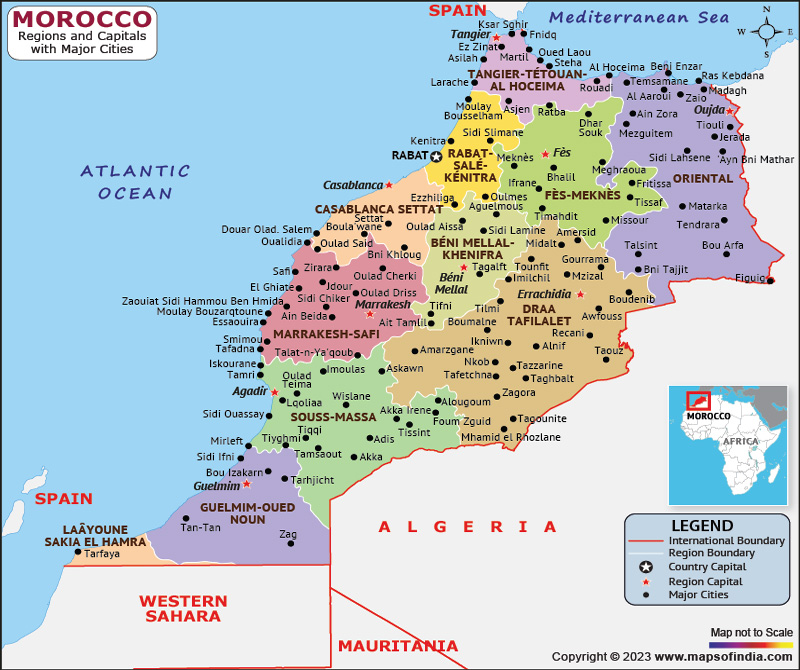
A Brief Overview of the History of Morocco
The Rich History of Morocco Located at the crossroads of…
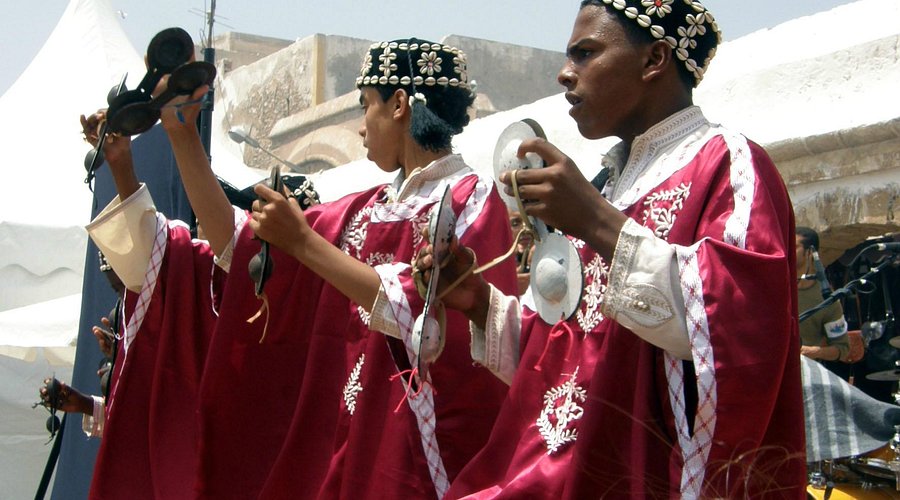
The Vibrant Rhythms of Gnawa Festival Morocco 2022
The Enchanting Rhythms of Gnawa Festival Morocco 2022 The Enchanting…
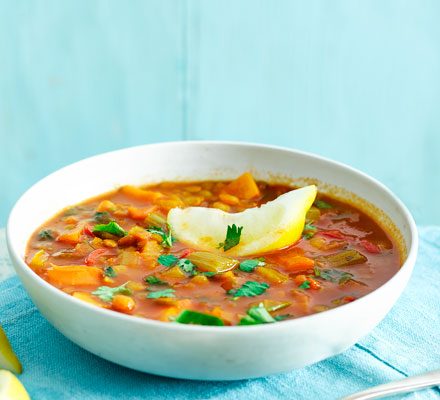
Savouring the Heritage: Traditional Moroccan Soup Unveiled
The Taste of Tradition: Exploring Traditional Moroccan Soup The Taste…