
The History of Berbers in Morocco
The Berbers, also known as Amazighs, are an indigenous ethnic group that has inhabited North Africa for thousands of years. In Morocco, the Berber people have played a significant role in shaping the country’s history, culture, and identity.
Ancient Roots
The history of the Berbers in Morocco dates back to ancient times, with evidence of their presence found in rock art and archaeological sites across the region. The Berbers were skilled farmers, traders, and warriors who established powerful kingdoms and city-states throughout North Africa.
Resistance and Resilience
Over the centuries, the Berbers faced invasions and conquests by various empires, including the Romans, Vandals, Arabs, and Europeans. Despite these challenges, the Berber people maintained their distinct language, customs, and traditions through a spirit of resistance and resilience.
Islamic Influence
With the arrival of Islam in North Africa in the 7th century AD, many Berbers embraced the new religion and played a crucial role in spreading it across the region. The integration of Islamic beliefs with traditional Berber practices created a unique cultural synthesis that continues to shape Moroccan society today.
Berber Dynasties
During the medieval period, several powerful Berber dynasties rose to prominence in Morocco, such as the Almoravids, Almohads, Merinids, and Wattasids. These dynasties established great cities like Marrakech, Fez, and Rabat and contributed to the flourishing of art, architecture, science, and literature in the region.
Modern Identity
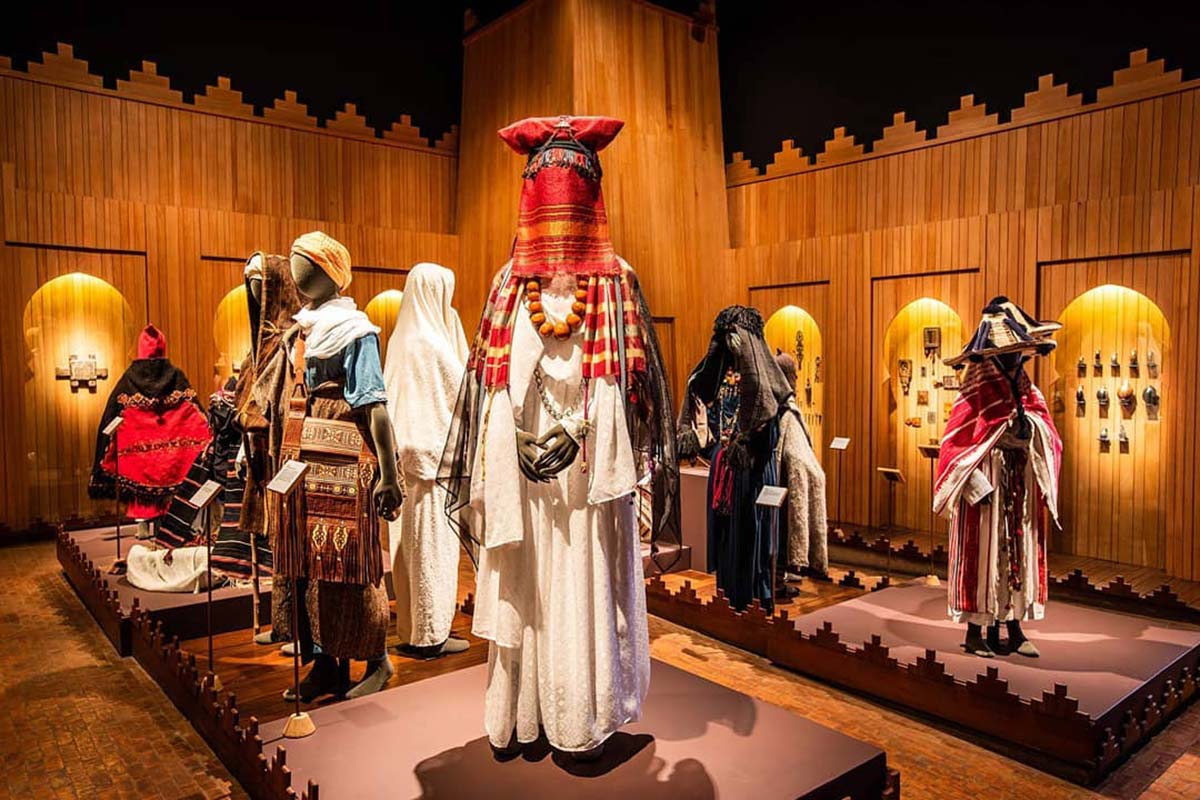
In modern-day Morocco, Berber culture is experiencing a revival with efforts to preserve and promote its language (Tamazight), music, crafts, festivals like Imilchil Marriage Festival (Itri n Tislit), traditional dress (such as djellabas), and culinary traditions. The recognition of Tamazight as an official language in 2011 marked a significant milestone for Berber rights in Morocco.
Conclusion
The history of Berbers in Morocco is a tale of resilience against adversity and preservation of a rich cultural heritage that continues to thrive today. By celebrating their past achievements and embracing their present contributions to Moroccan society,Berbers are integral to understanding the diverse tapestry that makes up this fascinating country.
Exploring the Rich History of Berbers in Morocco: Eight Key Insights
- The Berbers are indigenous people of North Africa, including Morocco.
- Berber history in Morocco dates back thousands of years.
- Berbers have their own language and culture, which has influenced Moroccan society.
- Throughout history, Berbers have played a significant role in shaping the region’s politics and identity.
- Berber dynasties ruled parts of Morocco at various times in history.
- Berber communities have preserved their traditional customs and practices over generations.
- The Berber resistance against foreign invasions is a notable aspect of Moroccan history.
- Today, Berbers continue to be an integral part of Morocco’s diverse cultural landscape.
The Berbers are indigenous people of North Africa, including Morocco.
The Berbers are the indigenous people of North Africa, with a long and storied history that includes their presence in Morocco. As one of the original inhabitants of the region, the Berbers have played a vital role in shaping the cultural, social, and historical landscape of Morocco. Their rich heritage and traditions have endured through centuries, contributing to the diverse tapestry of Moroccan society.
Berber history in Morocco dates back thousands of years.
The history of the Berbers in Morocco traces its roots back thousands of years, highlighting the enduring presence and influence of this indigenous ethnic group in the region.
Berbers have their own language and culture, which has influenced Moroccan society.
The Berbers have their own language and culture, which have significantly influenced Moroccan society. Through their distinct linguistic heritage (Tamazight) and rich cultural traditions, the Berbers have played a crucial role in shaping the identity of Morocco. Their influence can be seen in various aspects of Moroccan life, from art and music to cuisine and architecture. By preserving and promoting their unique language and customs, the Berbers continue to enrich the cultural tapestry of Morocco, highlighting the diversity and depth of the country’s historical roots.
Throughout history, Berbers have played a significant role in shaping the region’s politics and identity.
Throughout history, Berbers have played a significant role in shaping the region’s politics and identity. From establishing powerful kingdoms to resisting foreign invasions, the Berber people have been key players in defining the political landscape of Morocco. Their cultural influence, language, and traditions have left an indelible mark on the country’s identity, contributing to its rich tapestry of diversity and heritage. The resilience and contributions of the Berbers continue to be celebrated and acknowledged as integral components of Morocco’s historical narrative.
Berber dynasties ruled parts of Morocco at various times in history.
Throughout history, Berber dynasties have wielded power and influence over different regions of Morocco. From the Almoravids to the Almohads, these dynasties left a lasting impact on the country’s political landscape and cultural development. Their rule saw the rise of magnificent cities, architectural wonders, and intellectual achievements that shaped Morocco’s identity for generations to come. The legacy of Berber dynasties serves as a testament to their resilience, leadership, and contributions to the rich tapestry of Moroccan history.
Berber communities have preserved their traditional customs and practices over generations.
Berber communities in Morocco have diligently preserved their traditional customs and practices, passing them down through generations with great care and reverence. This commitment to heritage has ensured that the rich cultural tapestry of the Berbers remains vibrant and intact, providing a deep sense of identity and continuity for their people. By honouring their ancestral traditions, Berber communities uphold a legacy of resilience and pride that continues to shape their way of life in modern-day Morocco.
The Berber resistance against foreign invasions is a notable aspect of Moroccan history.
The Berber resistance against foreign invasions stands as a notable chapter in Moroccan history, showcasing the unwavering determination and fierce independence of the Berber people. Throughout centuries of conquests and incursions by various empires, the Berbers fiercely defended their land, culture, and autonomy. Their resilience in the face of adversity not only shaped the course of Moroccan history but also solidified their reputation as formidable warriors and guardians of their ancestral heritage.
Today, Berbers continue to be an integral part of Morocco’s diverse cultural landscape.
Today, Berbers continue to be an integral part of Morocco’s diverse cultural landscape. With their rich history, unique traditions, and strong sense of identity, Berbers play a significant role in shaping the cultural fabric of Morocco. From language and art to music and cuisine, the influence of Berber heritage can be seen and felt throughout the country, adding depth and richness to Morocco’s vibrant tapestry of cultures. Embracing the past while contributing to the present, Berbers embody a living connection to Morocco’s ancient roots and a dynamic force in its contemporary society.
Related Posts

Exploring the Rich Tapestry of Cultural Diversity
The Importance of Cultural Diversity in Today's Society The Importance…

Indulge in the Art of Local Baking Classes: A Sweet Journey Awaits
Exploring the Art of Local Baking Classes Exploring the Art…
Unlocking Affordable Adventures: Cheap Package City Breaks Explained
Cheap Package City Breaks The Thrill of Affordable City Escapes:…