
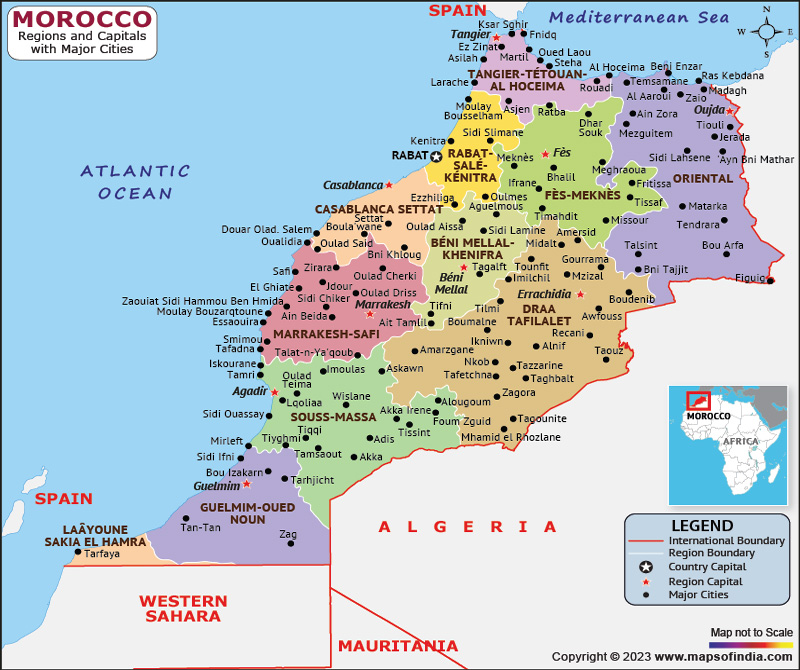
The Rich History of Morocco
Located at the crossroads of Africa, Europe, and the Middle East, Morocco boasts a history as diverse and vibrant as its landscapes. From ancient Berber tribes to Arab conquerors and European colonizers, the country’s past is a tapestry woven with threads of conquest, trade, and cultural exchange.
Ancient Roots
The history of Morocco dates back thousands of years to the time of the Berber people. These indigenous North Africans inhabited the region long before recorded history and left behind traces of their civilization in ancient rock carvings and monuments.
Arab Conquest
In the 7th century, Arab armies swept across North Africa, introducing Islam to the region and establishing dynasties that would shape Morocco’s future. The Umayyad and Abbasid caliphates ruled over parts of Morocco before giving way to indigenous Berber dynasties like the Almoravids and Almohads.
Golden Age
During the medieval period, Morocco experienced a golden age under dynasties such as the Merinids and Saadians. Cities like Fez, Marrakech, and Meknes flourished as centres of learning, trade, and Islamic art and architecture.
European Influence
In the 15th century, European powers began vying for control over Moroccan territory. Portugal, Spain, France, and later Britain all sought to establish colonies or influence in the region. The Treaty of Fes in 1912 made Morocco a French protectorate until it regained independence in 1956.
Modern Morocco
Since gaining independence, Morocco has embarked on a path of modernization while preserving its rich cultural heritage. The country remains a fascinating blend of old-world traditions and contemporary developments, attracting visitors from around the globe to explore its history and beauty.
From its ancient Berber roots to its dynamic present-day society, Morocco’s history is a testament to resilience, adaptation, and cultural exchange. Exploring this fascinating past offers insights into the complexities that have shaped one of Africa’s most captivating nations.
Exploring Morocco’s Rich Historical Tapestry: From Ancient Empires to Modern Monarchy
- Morocco has a rich history influenced by Berber, Arab, and European cultures.
- The country was once part of the Roman Empire and later ruled by various dynasties.
- Morocco experienced the Islamic Golden Age under the Almoravid and Almohad dynasties.
- The Portuguese established trading posts along the Moroccan coast in the 15th century.
- Morocco became a French and Spanish protectorate in the early 20th century.
- The country gained independence from France in 1956.
- Morocco is known for its diverse architecture, including ancient cities like Fez and Marrakech.
- Today, Morocco is a constitutional monarchy with a blend of traditional and modern influences.
Morocco has a rich history influenced by Berber, Arab, and European cultures.
Morocco’s captivating history is a tapestry woven with influences from Berber, Arab, and European cultures. From the ancient Berber tribes who first inhabited the land to the Arab conquerors who introduced Islam, and the European colonizers who left their mark, Morocco’s past is a vibrant mosaic of diverse traditions and legacies. Each cultural influence has contributed to the country’s unique identity, making it a fascinating melting pot of history and heritage.
The country was once part of the Roman Empire and later ruled by various dynasties.
Throughout its history, Morocco has been a land of diverse influences and rulers. Once a part of the expansive Roman Empire, the country later witnessed the rise and fall of various dynasties that left their mark on its culture and heritage. From Roman governance to indigenous Berber dynasties and Arab conquerors, Morocco’s past is a tapestry woven with layers of conquests and transitions, shaping the country into the captivating blend of traditions and histories that it is today.
Morocco experienced the Islamic Golden Age under the Almoravid and Almohad dynasties.
During the Islamic Golden Age, Morocco flourished under the rule of the Almoravid and Almohad dynasties. These powerful Islamic dynasties not only expanded their territories but also fostered a period of intellectual, artistic, and architectural achievements. Cities like Marrakech and Cordoba became renowned centres of learning and culture, attracting scholars, poets, and artisans from across the Muslim world. The Almoravids and Almohads left a lasting legacy of magnificent mosques, palaces, and madrasas that continue to awe visitors with their intricate designs and historical significance.
The Portuguese established trading posts along the Moroccan coast in the 15th century.
In the 15th century, the Portuguese made their mark on Moroccan history by setting up trading posts along the country’s coastline. This strategic move not only facilitated trade between Portugal and Morocco but also marked the beginning of European influence in the region. The establishment of these trading posts played a significant role in shaping the economic and cultural landscape of Morocco during this period.
Morocco became a French and Spanish protectorate in the early 20th century.
In the early 20th century, Morocco found itself under the dual protection of France and Spain, marking a significant chapter in its history. This period of colonial rule saw both European powers exerting influence over various aspects of Moroccan society, shaping its political landscape and cultural dynamics. The French and Spanish protectorate era left a lasting impact on Morocco’s development, influencing its modern identity and relationships with the wider world.
The country gained independence from France in 1956.
In 1956, Morocco achieved independence from French colonial rule, marking a significant turning point in the nation’s history. This milestone event not only symbolized the end of foreign domination but also paved the way for Morocco to embark on a journey of self-governance and national identity. The struggle for independence remains a defining chapter in Morocco’s history, shaping its modern trajectory and fostering a sense of pride and sovereignty among its people.
Morocco is known for its diverse architecture, including ancient cities like Fez and Marrakech.
Morocco is renowned for its diverse architectural heritage, with ancient cities such as Fez and Marrakech standing out as prime examples. The intricate designs, vibrant colours, and historical significance of the buildings in these cities showcase the rich cultural tapestry that has woven through Morocco’s history. From the bustling medinas to the grand palaces and mosques, each architectural marvel tells a story of the country’s past and its enduring legacy in shaping Morocco’s unique identity.
Today, Morocco is a constitutional monarchy with a blend of traditional and modern influences.
Today, Morocco stands as a constitutional monarchy that gracefully balances traditional values with modern influences. The country’s rich history is evident in its cultural practices, architecture, and vibrant arts scene, while its forward-thinking approach embraces technological advancements and global trends. This blend of old and new creates a unique tapestry that defines Morocco’s identity in the 21st century, making it a captivating destination for those seeking to explore a harmonious fusion of the past and the present.
Related Posts

Unveiling Profound Insights: Illuminating Paths to Wisdom
The Power of Insights: Gaining Wisdom Through Understanding Insights are…
Discover the Enchanting Meknes Tourist Attractions
Exploring Meknes: A Guide to Top Tourist Attractions Exploring Meknes:…
Essential Morocco Travel Tips: Your Guide to Exploring North Africa’s Gem
Top Travel Tips for Exploring Morocco Top Travel Tips for…