
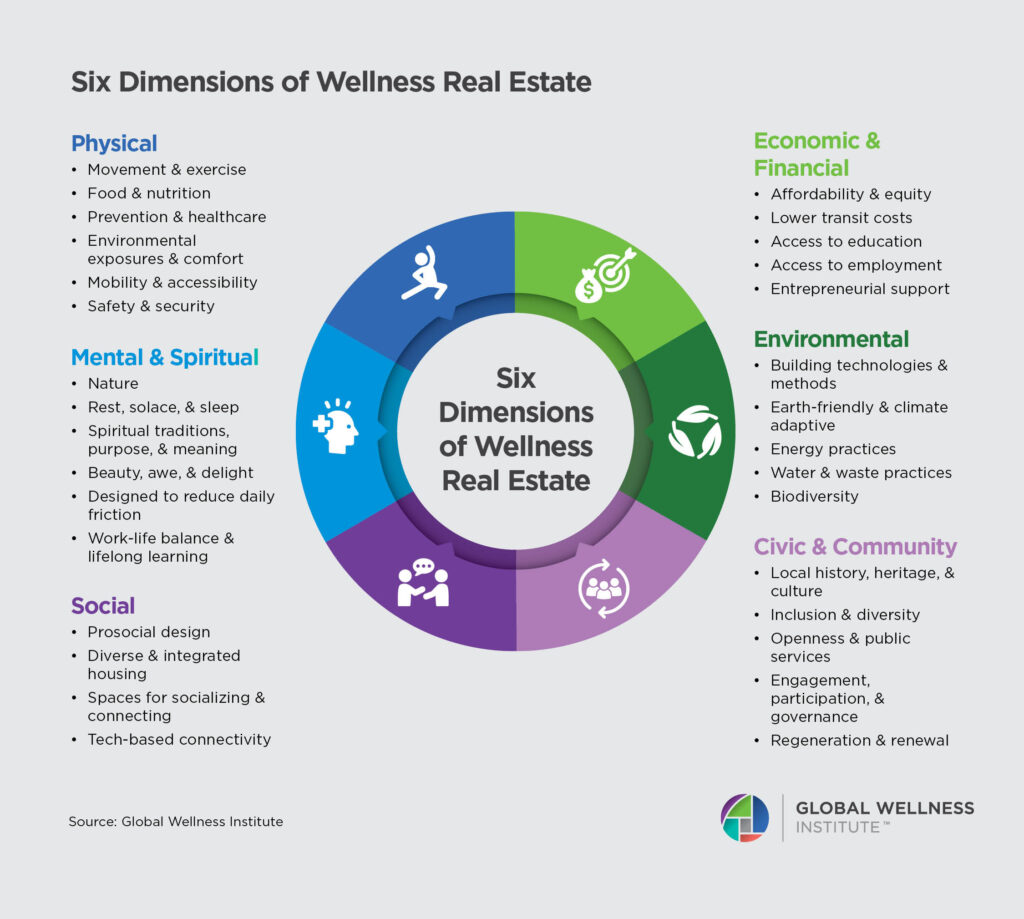
The Pursuit of Wellness: Nurturing Mind, Body, and Soul
Wellness is more than just a trend—it’s a way of life that encompasses the holistic well-being of mind, body, and soul. In today’s fast-paced world, the quest for wellness has become increasingly important as individuals seek to achieve balance and harmony in their lives.
At its core, wellness is about taking proactive steps to maintain and improve one’s health in all aspects. This includes physical fitness, mental clarity, emotional resilience, and spiritual fulfilment. It is a journey of self-discovery and self-care that empowers individuals to live their best lives.
The Pillars of Wellness
Wellness is often divided into several key pillars that contribute to overall well-being:
- Physical Wellness: This pillar focuses on maintaining a healthy body through regular exercise, proper nutrition, adequate rest, and preventive healthcare practices.
- Mental Wellness: Mental wellness involves managing stress effectively, fostering positive relationships, engaging in stimulating activities, and seeking support when needed.
- Emotional Wellness: Emotional wellness emphasises self-awareness, self-acceptance, resilience in the face of challenges, and the ability to express feelings in a healthy manner.
- Social Wellness: Social wellness revolves around building supportive relationships, fostering a sense of belonging within communities, and contributing positively to society.
- Spiritual Wellness: Spiritual wellness involves exploring one’s values and beliefs, finding purpose and meaning in life, practising mindfulness or meditation, and connecting with something greater than oneself.
The Benefits of Prioritising Wellness
By prioritising wellness in your life, you can experience a range of benefits that enhance your overall quality of life:
- Improved Physical Health: Regular exercise and healthy eating habits can reduce the risk of chronic diseases and promote longevity.
- Enhanced Mental Clarity: Managing stress levels through relaxation techniques or mindfulness can improve cognitive function and focus.
- Better Emotional Resilience: Developing emotional intelligence allows you to navigate challenges with grace and maintain mental well-being.
- Fulfilment in Relationships: Building strong connections with others fosters a sense of belonging and support during both good times and bad.
- Sense of Purpose: Exploring your values and beliefs can help you discover what truly matters to you and guide your actions towards meaningful goals.
Cultivating Wellness in Your Life
To cultivate wellness in your life, consider incorporating the following practices into your daily routine:
- Prioritise self-care activities that nourish your body, mind, and soul.
- Maintain a balanced diet rich in nutrients that support overall health.
- Create space for physical activity that energises you and promotes strength and flexibility.
- Cultivate mindfulness through meditation or relaxation techniques to calm the mind amidst daily stresses.
Foster a sense of gratitude for the present moment by practising daily reflection or journaling.
Pursue activities that bring you joy or fulfilment outside of work obligations.
Incorporate moments of stillness or solitude into your day for introspection.
Educate yourself on mental health resources available for seeking professional support when needed.
In conclusion,w ellness is an ongoing journey that requires dedication but offers immeasurable rewards. By nurturing your mind,body,and soul,you can create a life filled with vitality,contentment,and purpose.Embark on this transformative path today,and embrace the powerofwellnessinyourlife.
Exploring Wellness: Key Questions on Physical Health, Stress Management, Mental Clarity, Nutrition, and Mindfulness
- What is wellness and why is it important?
- How can I improve my physical wellness?
- What are some effective strategies for managing stress in daily life?
- How can I enhance my mental well-being and clarity?
- What role does nutrition play in overall wellness?
- How can I incorporate mindfulness practices into my routine for emotional balance?
What is wellness and why is it important?
Wellness encompasses the holistic well-being of an individual, focusing on the physical, mental, emotional, social, and spiritual aspects of health. It is not merely the absence of illness but a proactive approach to maintaining a balanced and fulfilling life. Wellness is vital because it empowers individuals to take charge of their health and happiness, leading to a higher quality of life. By prioritising wellness, individuals can enhance their resilience to stress, improve their overall health outcomes, strengthen relationships, find purpose and meaning in life, and experience a greater sense of fulfilment. Embracing wellness as a lifestyle choice can have far-reaching benefits that positively impact every aspect of one’s existence.
How can I improve my physical wellness?
Improving physical wellness involves adopting a holistic approach to caring for your body. To enhance your physical well-being, consider incorporating regular exercise into your routine, such as cardio, strength training, or yoga, to strengthen muscles and improve cardiovascular health. Additionally, prioritise a balanced diet rich in nutrients and hydration to fuel your body effectively. Getting an adequate amount of rest and sleep is crucial for recovery and overall health. Lastly, preventive healthcare measures like regular check-ups and screenings can help you stay proactive in maintaining your physical wellness. By making these lifestyle choices a priority, you can boost your energy levels, reduce the risk of chronic conditions, and enhance your overall quality of life.
What are some effective strategies for managing stress in daily life?
In the quest for holistic wellness, managing stress in daily life is a crucial aspect that requires attention and care. Some effective strategies for coping with stress include prioritising self-care activities such as exercise, meditation, or mindfulness practices to promote relaxation and mental clarity. Setting boundaries and learning to say no to excessive commitments can help reduce feelings of overwhelm. Engaging in hobbies or activities that bring joy and fulfilment can provide a much-needed respite from daily pressures. Additionally, seeking support from loved ones or professionals when needed can offer valuable perspectives and coping mechanisms to navigate stressful situations with resilience. By incorporating these strategies into your daily routine, you can cultivate a sense of balance and well-being amidst life’s challenges.
How can I enhance my mental well-being and clarity?
To enhance your mental well-being and clarity, it is essential to incorporate practices that promote a healthy mind. Engaging in regular physical exercise, such as yoga or walking, can help reduce stress and improve cognitive function. Prioritising quality sleep and maintaining a balanced diet rich in nutrients also play crucial roles in supporting mental clarity. Mindfulness techniques, such as meditation or deep breathing exercises, can help calm the mind and increase focus. Additionally, seeking social support from friends or professionals, setting boundaries to manage stress levels, and engaging in activities that bring joy and fulfilment can all contribute to enhancing your mental well-being and achieving greater clarity in your thoughts.
What role does nutrition play in overall wellness?
Nutrition plays a crucial role in overall wellness by providing the essential nutrients that fuel our bodies, support our immune system, and promote optimal health. A balanced diet rich in vitamins, minerals, protein, carbohydrates, and healthy fats not only sustains our physical well-being but also impacts our mental clarity and emotional resilience. By making mindful choices about what we eat, we can boost our energy levels, improve our mood, and reduce the risk of chronic diseases. Nutrition is the foundation of wellness, serving as a cornerstone for a healthy lifestyle that nurtures both the body and mind.
How can I incorporate mindfulness practices into my routine for emotional balance?
Incorporating mindfulness practices into your daily routine is a powerful way to cultivate emotional balance and well-being. Start by setting aside a few minutes each day for mindfulness meditation, focusing on your breath and being present in the moment. You can also integrate mindfulness into everyday activities such as eating, walking, or even washing dishes by paying full attention to the sensations and experiences in that moment. Engaging in mindful practices helps you become more aware of your thoughts and emotions, allowing you to respond to them with greater clarity and compassion, ultimately fostering emotional equilibrium and resilience in your life.
Related Posts

Embark on a Tranquil Journey: Wellness Retreats Unveiled
The Ultimate Guide to Wellness Retreats The Ultimate Guide to…

Explore Exciting Chef Courses Near Me: Ignite Your Culinary Passion Today!
Embark on a Culinary Journey: Chef Courses Near You Are…

Embark on a Culinary Journey with Nourishing Healthy Cooking Classes
Exploring the Benefits of Healthy Cooking Classes Exploring the Benefits…