
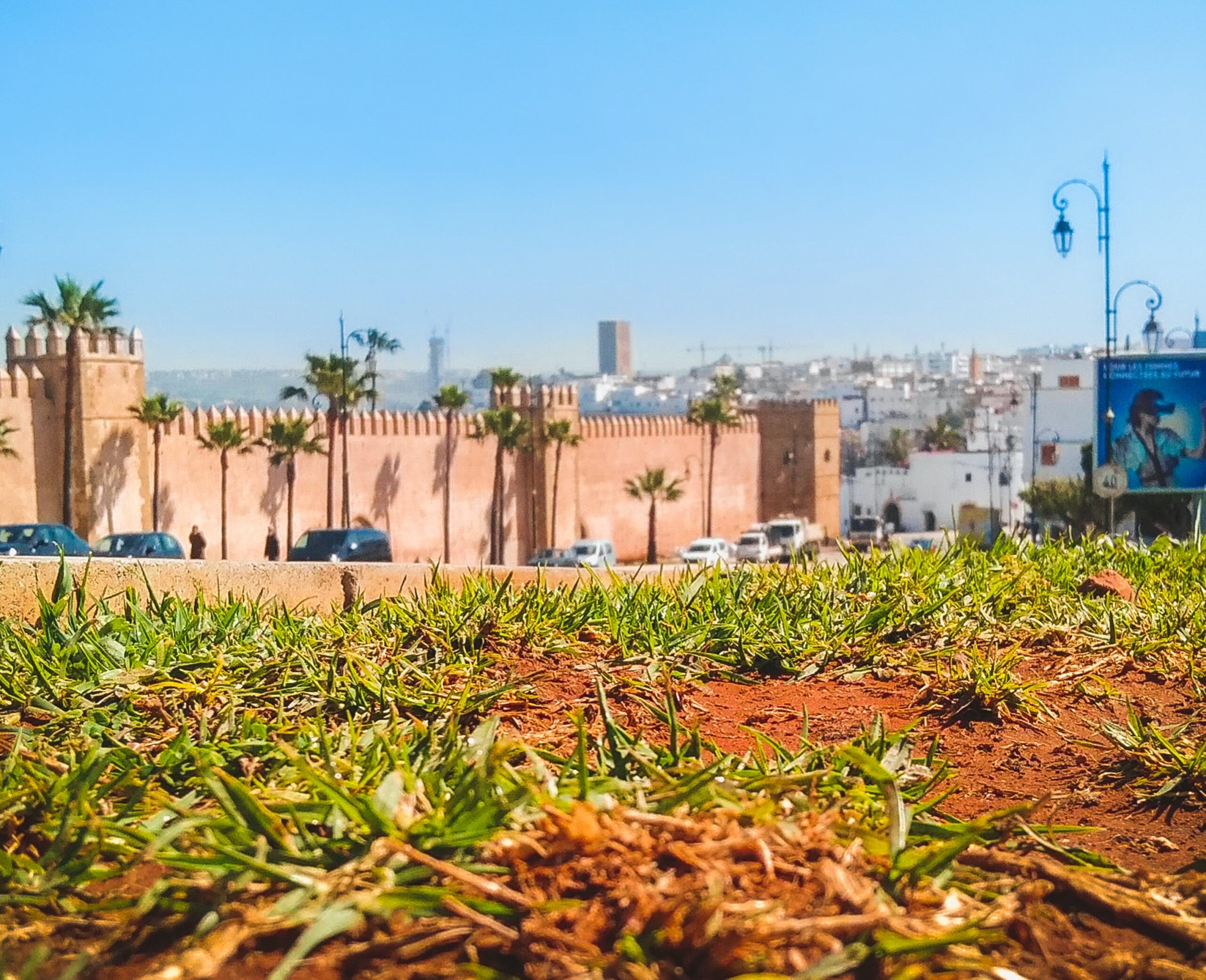
The Fascinating History of Rabat, Morocco
Nestled along the shores of the Atlantic Ocean, Rabat stands as a testament to Morocco’s rich and diverse history. As the capital city of the Kingdom of Morocco, Rabat is not only a modern metropolis but also a treasure trove of ancient wonders that showcase the country’s cultural heritage.
Early Origins
Rabat’s history dates back to the 3rd century BC when it was known as Chellah by the Phoenicians. Later, it became a thriving Roman settlement known as Sala Colonia. The city’s strategic location along trade routes attracted various conquerors, including the Almohads and Merinids.
Islamic Influence
With the arrival of Arab conquerors in the 7th century, Rabat became an important Islamic centre. The Kasbah of the Udayas, a fortress overlooking the Bou Regreg River, was built during this period and still stands as a symbol of Rabat’s Islamic heritage.
Colonial Era
In the 20th century, Rabat fell under French colonial rule along with the rest of Morocco. The French influence can still be seen in the city’s architecture, particularly in the Ville Nouvelle (New Town) area where wide boulevards and European-style buildings are prevalent.
Modern Capital
After gaining independence in 1956, Rabat was declared the capital of Morocco. Today, it serves as a hub for government institutions, diplomatic missions, and cultural activities. The city seamlessly blends its ancient past with modern developments, offering visitors a glimpse into Morocco’s past and present.
Cultural Heritage
Rabat is home to numerous historical sites that reflect its diverse history. The Royal Palace, Hassan Tower, and Chellah Necropolis are just a few examples of architectural marvels that attract tourists from around the world. The medina (old town) with its bustling souks and traditional riads provides an authentic Moroccan experience.
Preserving Traditions
Despite its growth and modernisation, Rabat remains committed to preserving its cultural traditions. Festivals celebrating music, art, and literature are held throughout the year, showcasing Morocco’s vibrant heritage. The city’s museums also play a crucial role in safeguarding its history for future generations.
Exploring Rabat
Whether you’re strolling through ancient ruins or savouring Moroccan cuisine in local eateries, Rabat offers a captivating journey through time. Its blend of old-world charm and contemporary allure makes it a must-visit destination for history enthusiasts and culture seekers alike.
Experience the allure of Rabat—a city where echoes of the past resonate with every step you take.
Exploring Rabat: A Journey Through the Historical Tapestry of Morocco’s Capital
- Rabat is the capital city of Morocco and one of the four imperial cities.
- The history of Rabat dates back to Roman times when it was known as ‘Rusadir’.
- Rabat became an important military town during the Almohad dynasty in the 12th century.
- The Kasbah of the Udayas in Rabat is a UNESCO World Heritage Site and offers stunning views of the city and ocean.
- During the French colonial period, Rabat was made the capital of Morocco in 1912.
- Rabat has a rich cultural heritage with influences from Arab, Berber, and European civilizations.
- The Hassan Tower in Rabat is an unfinished minaret of a mosque that was intended to be the largest in the world.
- Today, Rabat is a modern city with historic charm, blending ancient traditions with contemporary developments.
Rabat is the capital city of Morocco and one of the four imperial cities.
Situated as the capital city of Morocco and revered as one of the four imperial cities, Rabat stands as a beacon of historical significance and cultural prominence. This distinguished status not only highlights Rabat’s political importance but also underscores its role in shaping Morocco’s past and present. As an imperial city, Rabat exudes a regal aura, inviting visitors to explore its grandeur and delve into the storied legacy that has made it a cornerstone of Moroccan heritage.
The history of Rabat dates back to Roman times when it was known as ‘Rusadir’.
The history of Rabat traces its roots back to Roman times when it was recognised as ‘Rusadir’. This ancient name reflects the city’s enduring legacy as a hub of civilisation and trade, marking the beginning of Rabat’s journey through various historical epochs. The Roman influence on Rabat’s early development laid the foundation for its transformation into the vibrant capital city it is today, blending ancient heritage with modern vitality.
Rabat became an important military town during the Almohad dynasty in the 12th century.
During the 12th century under the rule of the Almohad dynasty, Rabat underwent a significant transformation into a crucial military stronghold. The strategic location of Rabat along trade routes made it an ideal base for the Almohad rulers to exert their power and influence in the region. The city’s defensive structures were reinforced, and new fortifications were erected during this period, solidifying Rabat’s status as an important military town in Morocco.
The Kasbah of the Udayas in Rabat is a UNESCO World Heritage Site and offers stunning views of the city and ocean.
Situated in Rabat, the Kasbah of the Udayas stands as a UNESCO World Heritage Site, showcasing the city’s historical significance and architectural beauty. Perched atop a hill overlooking the Bou Regreg River and the vast expanse of the Atlantic Ocean, this ancient fortress offers visitors breathtaking panoramic views that capture the essence of Rabat’s charm and allure. A visit to the Kasbah of the Udayas is not only a journey through Morocco’s rich history but also an opportunity to witness the stunning vistas that have inspired generations of travellers.
During the French colonial period, Rabat was made the capital of Morocco in 1912.
During the French colonial period, Rabat was designated as the capital of Morocco in 1912. This pivotal decision marked a significant chapter in Rabat’s history, solidifying its position as the political centre of the country under French rule. The city’s transformation into the capital brought about changes in governance, infrastructure, and urban planning that continue to shape Rabat’s identity as a modern capital with a rich historical legacy.
Rabat has a rich cultural heritage with influences from Arab, Berber, and European civilizations.
Rabat, the capital city of Morocco, boasts a captivating history shaped by a diverse tapestry of influences from Arab, Berber, and European civilizations. This rich cultural heritage is evident in the city’s architecture, traditions, and way of life. From the intricate designs of Islamic art to the vibrant colours of Berber textiles, Rabat’s heritage reflects a harmonious blend of different cultures that have left their mark on this enchanting city.
The Hassan Tower in Rabat is an unfinished minaret of a mosque that was intended to be the largest in the world.
The Hassan Tower in Rabat stands as a poignant reminder of grand ambitions that were never fully realised. This unfinished minaret was meant to be the centrepiece of a mosque that aimed to be the largest in the world. Despite its incomplete state, the Hassan Tower remains a striking symbol of architectural prowess and serves as a testament to the historical aspirations of Rabat, Morocco.
Today, Rabat is a modern city with historic charm, blending ancient traditions with contemporary developments.
Today, Rabat stands as a modern city that exudes historic charm, seamlessly blending ancient traditions with contemporary developments. The city’s streets are lined with architectural treasures that whisper tales of its rich past, while bustling markets and vibrant cultural events showcase the enduring spirit of Moroccan heritage. Rabat’s ability to preserve its history while embracing progress is a testament to its dynamic character, inviting visitors to explore a harmonious fusion of old-world allure and modern sophistication.
Related Posts
Journey Through Time: Unforgettable Historical Excursions
Exploring the Past: Historical Excursions Exploring the Past: Historical Excursions…
Savour the Taste of Morocco: Mastering the Art of Authentic Tagine Cooking
The Art of Cooking an Authentic Tagine The Art of…
Savour the Exquisite Flavours of a Traditional Moroccan Meal
The Delightful Feast of a Traditional Moroccan Meal When it…