
The Rich Tapestry of Morocco’s History
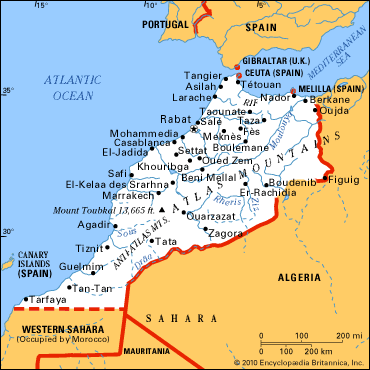
Nestled at the crossroads of Africa, Europe, and the Middle East, Morocco boasts a history as diverse and vibrant as its landscapes. From ancient Berber tribes to Arab conquerors and European colonisers, the layers of history in this North African country have shaped its unique identity.
Ancient Roots
The story of Morocco begins with the indigenous Berber people who inhabited the region for thousands of years. These resourceful tribes built fortified cities, such as Volubilis and Tingis (modern-day Tangier), and established trade routes that connected them to other civilisations across the Mediterranean.
Arab Conquest and Islamic Golden Age
In the 7th century, Arab armies swept across North Africa, bringing with them Islam and Arabic culture. The Umayyad Caliphate established control over Morocco, leading to the foundation of cities like Fes and Marrakech. Under Islamic rule, Morocco flourished as a centre of learning, art, and architecture during the Golden Age of Islam.
Colonial Era
In the 19th century, European powers vied for control over Morocco due to its strategic location and valuable resources. Spain and France established protectorates in different regions of the country, leading to a period of colonial rule that lasted until Moroccan independence in 1956.
Modern Independence
After gaining independence from France and Spain, Morocco embarked on a journey of nation-building under King Mohammed V. The country experienced political reforms, economic development, and social progress while preserving its rich cultural heritage.
Cultural Heritage
Today, Morocco’s history is reflected in its diverse architecture, culinary traditions, music, art, and literature. The medinas of cities like Fes and Marrakech stand as living museums of centuries-old craftsmanship and design. The vibrant souks bustle with activity just as they did in ancient times.
A Timeless Legacy
As we trace the footsteps of empires past through Morocco’s winding alleyways and majestic palaces, we are reminded that history is not just a series of events but a living testament to resilience, creativity, and human connection. The tapestry of Morocco’s history continues to inspire awe and wonder in all who explore its storied past.
Exploring Morocco’s Rich History: 7 Frequently Asked Questions
- Is Morocco considered Arab or African?
- What was Morocco like before Islam?
- What is the old name for Morocco?
- Who found Morocco first?
- What are 5 facts about Morocco?
- Was Morocco a British colony?
- What was Morocco before it was Morocco?
Is Morocco considered Arab or African?
The question of whether Morocco is considered Arab or African is a complex one that reflects the country’s diverse cultural and historical identity. Geographically situated in North Africa, Morocco shares borders with both Arab and African nations. Historically, Morocco has been influenced by various civilizations, including Berber, Arab, and European cultures. While Arabic is the official language and Islam is the predominant religion in Morocco, the country also celebrates its Berber heritage through traditions, languages, and customs. Therefore, Morocco is often described as a bridge between the Arab world and Africa, embodying a fusion of both identities that contributes to its rich tapestry of cultural diversity.
What was Morocco like before Islam?
Before the arrival of Islam, Morocco was inhabited by various indigenous Berber tribes who had established their own distinct cultures and societies. These ancient Berber communities lived in fortified cities, engaged in agriculture, trade, and craftsmanship, and worshipped their own deities. The region was known for its strategic location along important trade routes connecting Africa to Europe, which attracted influences from neighbouring civilisations such as the Romans and Phoenicians. The Berbers’ rich history in Morocco laid the foundation for the diverse cultural tapestry that continues to shape the country’s identity today.
What is the old name for Morocco?
The old name for Morocco is “Maghreb al-Aqsa,” which translates to “the farthest west” in Arabic. This historical name reflects Morocco’s position as the westernmost country in the Arab world and its significance as a gateway between Africa and Europe. The term “Maghreb” is still used today to refer to the region of North Africa that includes Morocco, Algeria, Tunisia, Libya, and Mauritania. Understanding this ancient name provides insight into Morocco’s geographical importance and its enduring cultural connections across continents.
Who found Morocco first?
The question of who first found Morocco is a complex one, as the region’s history is intertwined with multiple ancient civilisations and cultures. The indigenous Berber tribes are considered the earliest inhabitants of Morocco, dating back thousands of years. Subsequently, various conquerors and settlers, including Phoenicians, Romans, Arabs, and Europeans, have left their mark on the land. It is through this intricate tapestry of influences that Morocco’s rich history has been shaped over millennia, making it a fascinating study in cultural diversity and historical evolution.
What are 5 facts about Morocco?
Morocco, a country steeped in history and culture, offers a tapestry of intriguing facts that captivate travellers and historians alike. Firstly, did you know that Morocco is home to the world’s largest desert after Antarctica—the Sahara Desert? Secondly, the vibrant city of Marrakech boasts an iconic square, Jemaa el-Fnaa, where snake charmers and storytellers mesmerise visitors. Thirdly, Morocco’s diverse geography ranges from snow-capped mountains in the Atlas range to golden beaches along the Atlantic coast. Fourthly, the ancient city of Fes houses one of the oldest universities in the world, University of Al Quaraouiyine, founded in 859 AD. Lastly, Moroccan cuisine tantalises taste buds with its blend of aromatic spices and flavours like tagines and couscous—a true culinary delight for food enthusiasts worldwide.
Was Morocco a British colony?
No, Morocco was not a British colony. While Morocco experienced European colonial influence, particularly from France and Spain, it was never under direct British rule. The country’s strategic location at the crossroads of Africa and Europe made it a target for various colonial powers, but it maintained its independence and sovereignty throughout history. The British did have diplomatic relations with Morocco and played a role in shaping the region’s politics during the colonial era, but they did not establish a formal colony in the country.
What was Morocco before it was Morocco?
Before it became known as Morocco, the region was home to a diverse array of indigenous Berber tribes who inhabited the land for centuries. These ancient peoples established thriving communities, traded with neighbouring civilisations, and left their mark on the landscape through impressive architectural feats. Over time, various empires and conquerors, including the Romans and Arabs, exerted influence over the territory that would eventually become modern-day Morocco. The region’s rich history as a crossroads of cultures and civilizations is a testament to its enduring significance in shaping the identity of Morocco as we know it today.
Related Posts

Unlocking Valuable Information: Navigating the Digital Landscape
The Importance of Information in the Digital Age The Importance…

Indulge in the Exquisite Flavours of Traditional Moroccan Breakfast Dishes
The Flavours of Morocco: Exploring Traditional Breakfast Dishes The Flavours…

Mastering the Art of Culinary Excellence: A Journey Through Course Cookery
The Art of Culinary Mastery: Exploring the World of Cookery…