
The Enigmatic Moors: Unveiling Morocco’s Historical Tapestry
When one delves into the annals of Moroccan history, the enigmatic presence of the Moors emerges as a captivating chapter that has left an indelible mark on the country’s cultural fabric. The Moors, with their rich heritage and diverse influences, played a pivotal role in shaping the history and identity of Morocco.
Origins and Arrival
The term “Moors” originally referred to Muslim inhabitants of North Africa, primarily of Berber and Arab descent. The Moors first arrived in Morocco during the 7th century AD following the Islamic conquest of the region. With their arrival, they brought not only their religion but also a sophisticated culture that blended elements of Arab, Berber, and Andalusian traditions.
Cultural Influence
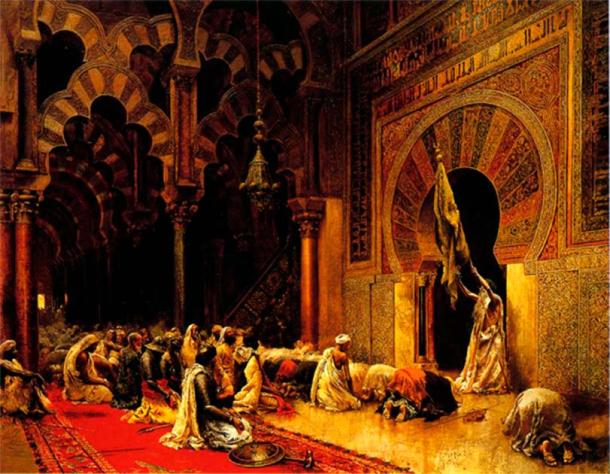
Under Moorish rule, Morocco witnessed a flourishing period of art, architecture, science, and philosophy. The Moors introduced intricate geometric patterns in architecture, vibrant mosaics, and ornate calligraphy that still adorn many historical sites across the country. Their contributions to literature, astronomy, and mathematics also left an enduring legacy.
Al-Andalus Connection
One cannot discuss the Moors in Morocco without acknowledging their connection to Al-Andalus (Islamic Spain). During the medieval period, Al-Andalus was a beacon of learning and cultural exchange where Muslims, Christians, and Jews coexisted harmoniously. The Moors’ influence extended beyond North Africa into Spain, leaving an indelible imprint on Spanish art, music, and architecture.
Legacy and Heritage
Today, traces of Moorish heritage can be found throughout Morocco—from the majestic mosques of Marrakech to the ancient medinas of Fez. The intricate zellige tilework, graceful arches, and lush gardens reflect the enduring legacy of Moorish craftsmanship and design sensibilities.
A Timeless Tapestry
The story of the Moors in Moroccan history is like a vibrant tapestry woven with threads of diverse cultures and influences. Their legacy continues to resonate through Morocco’s artistry, cuisine, music, and architectural marvels. Exploring this historical chapter offers a glimpse into a bygone era where creativity flourished amidst cultural exchange.
As we unravel the mysteries of Morocco’s past, let us pause to appreciate the enduring legacy of the Moors—a testament to their ingenuity and cultural richness that continues to captivate hearts and minds across generations.
Exploring the Moorish Legacy: 8 Insights into Morocco’s Rich Historical Influence
- Morocco has a rich history of Moorish influence dating back to the 8th century.
- The Moors were Muslim inhabitants of North Africa and southern Spain.
- Moorish architecture can be seen in many historic buildings and structures in Morocco.
- The Moors introduced advanced irrigation systems and agriculture techniques to Morocco.
- Moorish art, music, and literature have greatly influenced Moroccan culture.
- The Moors played a significant role in the development of science, mathematics, and philosophy in Morocco.
- During the Middle Ages, Moorish rule extended over much of present-day Spain and Portugal.
- The decline of Moorish influence in Morocco began with the Reconquista in Spain during the 15th century.
Morocco has a rich history of Moorish influence dating back to the 8th century.
Morocco boasts a fascinating history steeped in Moorish influence that dates back to the 8th century. The legacy of the Moors in Morocco is a testament to their profound impact on the country’s cultural, architectural, and intellectual landscape. Through their intricate artistry, innovative architecture, and contributions to science and philosophy, the Moors have left an enduring imprint that continues to shape Morocco’s identity to this day.
The Moors were Muslim inhabitants of North Africa and southern Spain.
The Moors were Muslim inhabitants who held a significant presence in both North Africa and southern Spain. Their cultural influence extended across these regions, shaping art, architecture, and intellectual pursuits. The Moors’ arrival in Morocco and Spain during the medieval period brought a fusion of Arab, Berber, and Andalusian traditions, creating a vibrant tapestry of cultural exchange and innovation. Through their contributions to science, art, and philosophy, the Moors left an indelible mark on the historical landscape of Morocco and southern Spain, enriching the heritage of these lands with their diverse influences.
Moorish architecture can be seen in many historic buildings and structures in Morocco.
Moorish architecture, with its intricate geometric patterns and exquisite detailing, serves as a visual testament to the enduring legacy of the Moors in Morocco’s history. From the majestic mosques of Casablanca to the opulent palaces of Rabat, the influence of Moorish design can be admired in numerous historic buildings and structures across the country. Each archway, courtyard, and ornate facade tells a story of cultural fusion and artistic brilliance, inviting visitors to marvel at the timeless beauty crafted by the skilled hands of Moorish artisans centuries ago.
The Moors introduced advanced irrigation systems and agriculture techniques to Morocco.
The Moors made a lasting impact on Morocco’s agricultural landscape by introducing advanced irrigation systems and innovative farming techniques. Their expertise in harnessing water resources through intricate irrigation networks not only transformed arid lands into fertile oases but also revolutionised the way crops were cultivated in the region. The legacy of their agricultural ingenuity can still be seen today in the lush fields and productive farms that dot the Moroccan countryside, serving as a testament to the enduring influence of the Moors on the country’s agricultural practices.
Moorish art, music, and literature have greatly influenced Moroccan culture.
Moorish art, music, and literature have intricately woven themselves into the vibrant tapestry of Moroccan culture, leaving an unmistakable imprint that resonates through the centuries. The intricate geometric patterns adorning mosques, the haunting melodies of traditional Andalusian music, and the poetic verses that echo through ancient medinas all bear the indelible mark of Moorish influence. Their creative legacy has not only enriched Morocco’s cultural landscape but also serves as a poignant reminder of the enduring connection between artistry and heritage in this captivating North African nation.
The Moors played a significant role in the development of science, mathematics, and philosophy in Morocco.
The Moors made a profound impact on the intellectual landscape of Morocco, shaping the realms of science, mathematics, and philosophy with their innovative contributions. Through their scholarly pursuits and thirst for knowledge, the Moors elevated Morocco as a centre of learning and enlightenment. Their advancements in fields such as astronomy, mathematics, and philosophy not only enriched Moroccan society but also influenced the broader Islamic world. The legacy of the Moors’ intellectual endeavours continues to inspire a quest for knowledge and understanding in modern-day Morocco, highlighting their enduring influence on the country’s academic heritage.
During the Middle Ages, Moorish rule extended over much of present-day Spain and Portugal.
During the Middle Ages, the influence of Moorish rule extended far beyond the borders of present-day Morocco, reaching into the territories of Spain and Portugal. The Moors’ cultural and architectural impact left an indelible mark on the Iberian Peninsula, shaping the art, cuisine, and language of the region. Their legacy can still be seen today in the intricate designs of Alhambra in Granada, the historic mosques of Cordoba, and the charming streets of Lisbon. The Moors’ presence in Spain and Portugal during this period exemplifies their far-reaching influence and enduring contribution to the cultural tapestry of Europe.
The decline of Moorish influence in Morocco began with the Reconquista in Spain during the 15th century.
The decline of Moorish influence in Morocco commenced with the onset of the Reconquista in Spain during the 15th century. As the Christian kingdoms in the Iberian Peninsula gradually reclaimed territories from Muslim rule, the once-thriving Al-Andalus began to diminish in power and influence. This pivotal historical event not only signified a shift in political dynamics but also marked a turning point for Moorish cultural presence in both Spain and Morocco, ultimately shaping the course of history for centuries to come.
Related Posts

Authentic Chicken Tagine: A Taste of Morocco’s Culinary Heritage
Authentic Chicken Tagine: A Taste of Morocco Authentic Chicken Tagine:…
Savour the Flavours of Moroccan Breakfast Soup: A Taste of Morocco in Every Spoonful
Exploring the Delights of Moroccan Breakfast Soup Exploring the Delights…

Discover the Best Romantic Vacation Spots for Couples
Best Vacation Spots for Couples The Most Romantic Getaways for…