
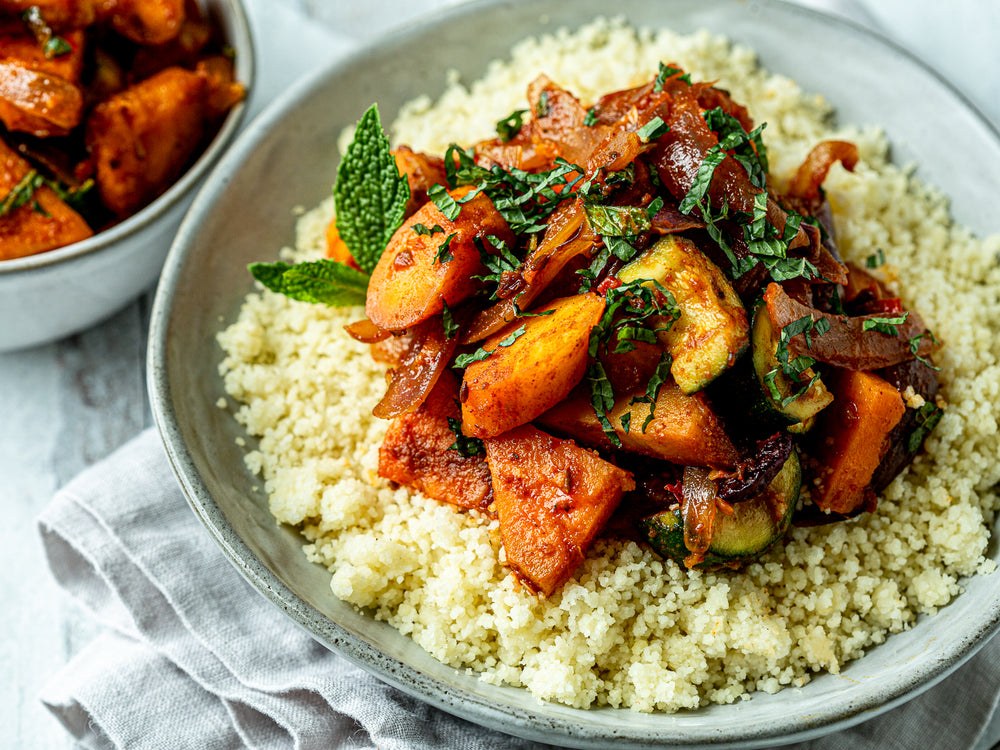
The Delightful World of Couscous
Couscous, a staple in North African cuisine, is a versatile and delicious dish that has gained popularity worldwide. This tiny grain-like pasta made from semolina wheat is not only easy to prepare but also offers a delightful texture and flavour that can elevate any meal.
History and Origins
Believed to have originated in the Maghreb region, couscous has been a part of Berber and Arab culinary traditions for centuries. Its simple yet hearty composition made it an essential food source for nomadic tribes traversing the desert landscapes.
Preparation and Varieties
To prepare couscous, the small granules are steamed or soaked in hot water until they fluff up into light, fluffy grains. Couscous can be served as a side dish or as the base for a variety of savoury stews, tagines, salads, or even desserts.
There are different types of couscous available, including Moroccan couscous (the most well-known), Algerian couscous, and Tunisian couscous. Each type varies slightly in size and texture but shares the same fundamental cooking method.
Culinary Versatility
Couscous is celebrated for its ability to absorb flavours, making it an excellent canvas for various ingredients. It pairs well with vegetables, meats, seafood, dried fruits, nuts, and aromatic spices like cumin, cinnamon, and saffron.
Whether enjoyed as a light salad with fresh herbs and citrus dressing or as a hearty stew with tender lamb or chicken simmered in fragrant broth—couscous offers endless possibilities for culinary creativity.
Health Benefits
Couscous is not only delicious but also nutritious. It is low in fat and rich in carbohydrates and protein. Additionally, couscous provides essential minerals like iron and magnesium while being relatively low in calories compared to other grains.
Global Popularity
As global palates become more adventurous, couscous has found its way onto menus worldwide. Its ease of preparation and versatility have made it a favourite choice for quick meals at home or as an exotic addition to restaurant offerings.
In Conclusion
Whether you’re seeking a comforting bowl of stewed goodness or a refreshing salad bursting with flavours—consider incorporating couscous into your culinary repertoire. This humble grain has stood the test of time and continues to delight taste buds around the globe with its simplicity and charm.
Nine Benefits of Couscous: A Versatile and Nutritious Staple
- Quick and easy to prepare
- Versatile base for various dishes
- Light and fluffy texture adds a pleasant mouthfeel
- Absorbs flavours well, making it ideal for seasoning
- Nutritious source of carbohydrates and protein
- Low in fat and calories compared to other grains
- Pairs well with a wide range of ingredients like vegetables, meats, and spices
- Suitable for vegetarian and vegan diets
- Popular globally, offering a taste of North African cuisine
Potential Drawbacks of Couscous: Texture, Taste, and Nutritional Considerations
- Couscous can become mushy if overcooked, resulting in a less appealing texture.
- It has a relatively bland taste on its own and requires flavourful additions to enhance its appeal.
- Some people may find couscous too dry or lacking in moisture compared to other grains.
- Couscous is a processed food and may not be as nutrient-dense as whole grains like quinoa or brown rice.
- For individuals with gluten intolerance, traditional couscous made from semolina wheat is not a suitable option.
- Cooking couscous perfectly can be challenging for beginners, leading to inconsistent results.
Quick and easy to prepare
Couscous stands out as a culinary gem due to its remarkable convenience—it is quick and easy to prepare. With just a simple process of steaming or soaking the grains in hot water, couscous can be ready to serve in a matter of minutes. This time-saving quality makes couscous a perfect go-to option for busy individuals or those seeking a delicious meal without the hassle of lengthy cooking times. Its ease of preparation allows for effortless incorporation into various dishes, making couscous a versatile and time-efficient choice for any meal.
Versatile base for various dishes
Couscous serves as a versatile base for a multitude of dishes, offering a blank canvas that can be transformed into sweet or savoury creations. Its neutral flavour and light, fluffy texture make it the perfect accompaniment to a wide range of ingredients, from hearty stews and fragrant tagines to vibrant salads and indulgent desserts. Whether used as a side dish or as the star of the meal, couscous adapts effortlessly to different culinary styles and flavour profiles, showcasing its adaptability and enhancing the overall dining experience.
Light and fluffy texture adds a pleasant mouthfeel
The light and fluffy texture of couscous contributes to a delightful mouthfeel that enhances the overall dining experience. With its airy consistency, couscous effortlessly glides on the palate, creating a sensation of comfort and satisfaction with each bite. This unique quality of couscous adds a touch of elegance to dishes, making them more enjoyable and inviting for those indulging in this versatile grain.
Absorbs flavours well, making it ideal for seasoning
Couscous’s remarkable ability to absorb flavours makes it an ideal canvas for seasoning, allowing it to effortlessly take on the essence of herbs, spices, and other ingredients. This quality not only enhances the taste of couscous itself but also makes it a perfect accompaniment to a wide range of dishes, from fragrant tagines to zesty salads. Whether infused with the warmth of cumin and cinnamon or the freshness of mint and lemon, couscous’s versatility in soaking up diverse flavours adds depth and complexity to any meal it graces.
Nutritious source of carbohydrates and protein
Couscous serves as a nutritious source of carbohydrates and protein, making it a wholesome addition to balanced diets. The combination of carbohydrates provides energy for daily activities, while the protein content supports muscle growth and repair. This nutrient balance in couscous makes it an excellent option for those seeking a satisfying and nourishing meal that can fuel the body effectively.
Low in fat and calories compared to other grains
Couscous stands out as a nutritious choice due to its low fat and calorie content when compared to other grains. This makes it a favourable option for those looking to maintain a healthy diet without compromising on taste or texture. By incorporating couscous into meals, individuals can enjoy a satisfying dish that not only provides essential nutrients but also supports their overall well-being by offering a lighter alternative to traditional grain options.
Pairs well with a wide range of ingredients like vegetables, meats, and spices
Couscous’s versatility shines through its ability to harmoniously complement an array of ingredients, from vibrant vegetables and succulent meats to a medley of aromatic spices. This culinary chameleon effortlessly adapts to various flavour profiles, making it a perfect canvas for creative culinary exploration. Whether infused with the earthiness of roasted vegetables, the richness of tender meats, or the exotic allure of fragrant spices, couscous proves to be a versatile and accommodating staple in the kitchen, enhancing dishes with its delightful texture and capacity to absorb diverse flavours.
Suitable for vegetarian and vegan diets
Couscous is a versatile and nutritious option that perfectly aligns with vegetarian and vegan diets. As a plant-based food made from semolina wheat, couscous is naturally free of animal products, making it an ideal choice for those following a vegetarian or vegan lifestyle. Packed with essential nutrients and protein, couscous offers a satisfying and delicious alternative for individuals looking to incorporate more plant-based options into their meals. Its adaptability to various flavour profiles also allows for endless creative possibilities in crafting wholesome and meat-free dishes.
Popular globally, offering a taste of North African cuisine
Couscous, popular globally, offers a tantalising taste of North African cuisine that captivates food enthusiasts worldwide. This versatile dish, originating from the Maghreb region, brings the exotic flavours and textures of the desert landscapes to dining tables around the world. Its ability to absorb a myriad of spices and ingredients makes it a beloved choice for those seeking an authentic culinary experience that transports them to the vibrant markets and bustling kitchens of Morocco, Algeria, and Tunisia.
Couscous can become mushy if overcooked, resulting in a less appealing texture.
When couscous is overcooked, it has a tendency to become mushy, losing its desired light and fluffy texture. This can detract from the overall appeal of the dish, as the grain’s delicate structure may break down and result in a less satisfying eating experience. It is important to closely monitor the cooking time and follow instructions carefully to ensure that couscous maintains its distinct texture and doesn’t veer into a mushy consistency.
It has a relatively bland taste on its own and requires flavourful additions to enhance its appeal.
Couscous, while a versatile and easy-to-prepare dish, is often critiqued for its relatively bland taste when enjoyed on its own. Due to its mild flavour profile, couscous typically requires the addition of flavourful ingredients such as herbs, spices, vegetables, meats, or sauces to elevate its appeal and create a more satisfying culinary experience. By incorporating complementary flavours and textures, couscous can be transformed into a delicious and satisfying meal that caters to a wide range of tastes and preferences.
Some people may find couscous too dry or lacking in moisture compared to other grains.
For some individuals, one drawback of couscous is its tendency to be perceived as dry or lacking in moisture when compared to other grains. This characteristic can lead to a less satisfying eating experience for those who prefer foods with a more substantial texture or juiciness. However, this perceived dryness can be mitigated by incorporating additional ingredients such as broth, olive oil, vegetables, or sauces to enhance the overall flavour and moisture content of the dish. With a few simple adjustments, couscous can be transformed into a delectable and satisfying meal that caters to diverse preferences.
Couscous is a processed food and may not be as nutrient-dense as whole grains like quinoa or brown rice.
While couscous is a popular choice in many households due to its convenience and versatility, it is important to note that couscous is a processed food that may lack the nutrient density found in whole grains such as quinoa or brown rice. Whole grains retain their natural fibre, vitamins, and minerals during processing, whereas couscous, made from refined semolina wheat, may have a lower nutritional value. For those seeking a more nutrient-dense option, incorporating whole grains like quinoa or brown rice into their diet can provide additional health benefits.
For individuals with gluten intolerance, traditional couscous made from semolina wheat is not a suitable option.
For individuals with gluten intolerance, traditional couscous made from semolina wheat poses a significant challenge. Due to its wheat-based composition, couscous contains gluten, making it unsuitable for those who have celiac disease or are sensitive to gluten. As a result, individuals with gluten intolerance must seek alternative options such as gluten-free couscous made from non-wheat grains like corn, rice, or quinoa to enjoy this beloved dish without compromising their health.
Cooking couscous perfectly can be challenging for beginners, leading to inconsistent results.
Mastering the art of cooking couscous to perfection can pose a challenge for beginners, often resulting in inconsistent outcomes. The delicate balance of water absorption and steaming time required to achieve fluffy and light couscous can be tricky to get right, especially for those new to preparing this dish. However, with practice and attention to detail, even novice cooks can overcome this hurdle and savour the rewarding experience of serving flawlessly cooked couscous.
Related Posts

Unveiling the Rich Tapestry: The History of Morocco
The Rich Tapestry of Morocco's History Nestled at the crossroads…

Exploring the Vibrant Heart of the City
The Essence of a City The Essence of a City…

Discover the Charms of Marrakech: A Colourful Journey Through Morocco’s Red City
Exploring the Vibrant City of Marrakech Exploring the Vibrant City…