
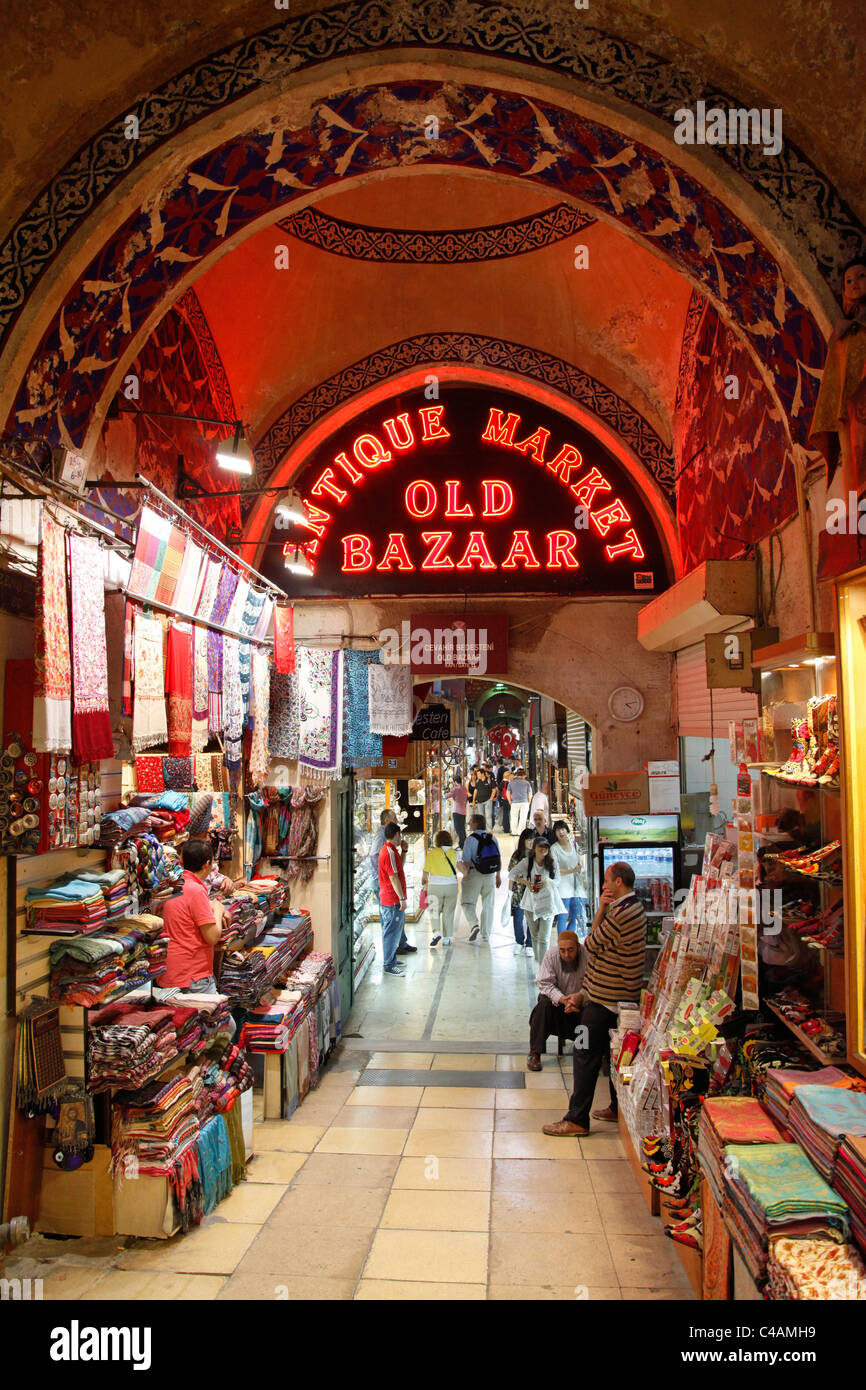
Bazaars in Morocco: A Guide to the Souks
A visit to Morocco is rarely complete without exploring a bazaar. Known locally as a souk, a bazaar is much more than a place to shop: it is a lively meeting point where crafts, food and everyday life come together. From the winding lanes of Marrakech to the quieter markets of smaller towns, each souk offers a glimpse into the character of its community.
A world of colour, scent and sound
Moroccan bazaars are often arranged in bustling streets and covered passageways. Stalls may be grouped by the goods they sell, so a walk through the market can lead from leatherwork and metal lamps to spices, textiles and pottery. The air might carry the aroma of cumin, saffron and fresh mint, while shopkeepers call out greetings and craftsmen work at their benches.
Markets vary from city to city. Marrakech’s souks are famed for their maze-like lanes and wide range of goods, while the old medina of Fez is known for its traditional crafts and historic workshops. Smaller local markets can offer a more everyday view of shopping, with produce, household items and clothing alongside handmade wares.
What to look for
Many visitors come in search of Moroccan craftsmanship. Popular finds include woven rugs, leather bags, ceramics, brassware, lanterns, jewellery and embroidered textiles. Spices and local ingredients can also make memorable purchases, although it is worth checking import rules before taking food products home.
Quality and prices can vary considerably. Take time to look closely at an item, ask what it is made from and compare similar pieces at several stalls. If you are buying a rug or another significant item, ask about its dimensions, materials and care requirements. For valuable purchases, a receipt and clear agreement about delivery can be helpful.
The art of bargaining
In many souks, negotiating the price is a normal part of shopping, though it is not expected everywhere. Begin with a friendly greeting and keep the conversation good-natured. If you are interested in an item, ask the price and consider making a reasonable counter-offer. There is no need to bargain if a price is clearly displayed or described as fixed.
It can help to decide on a comfortable budget before you begin. If you cannot agree on a price, thank the seller and move on politely. Bargaining should be enjoyable for both sides, rather than treated as a contest.
Shopping respectfully
Souks can be crowded, so keep valuables secure and be mindful of people moving through narrow lanes. Ask before taking photographs, particularly of people or workshops. If you are offered tea, accept only if you feel comfortable; hospitality is often part of the shopping experience, but you are not obliged to buy anything in return.
Many items are made by skilled craftspeople, and buying directly from a workshop or a reputable seller can help you learn more about how a piece was created. Be cautious of claims about age, materials or origin that cannot be verified, especially when purchasing antiques or high-value goods.
Enjoy the experience
The best way to explore a Moroccan bazaar is to take your time. Wander without a strict shopping list, pause to admire the workmanship and allow yourself to discover unfamiliar corners. Whether you leave with a hand-painted bowl or simply the memory of the market’s colours and energy, the souk is an essential part of Morocco’s cultural life.
9 Top Tips for Visiting Bazaars
- Carry small notes and coins.
- Agree the price before buying.
- Compare prices at a few stalls.
- Keep valuables secure and close.
- Ask before taking photographs.
- Try local snacks from busy stalls.
- Check items carefully before paying.
- Be polite when bargaining.
- Keep an eye on opening hours.
Carry small notes and coins.
Carry small notes and coins when visiting a Moroccan bazaar. They make it easier to pay for inexpensive items, avoid delays when sellers cannot change large notes and help you keep track of your spending. Having the correct amount can also make bargaining simpler and more pleasant.
Agree the price before buying.
Before buying anything in a Moroccan bazaar, agree the price clearly with the seller. If bargaining is customary, negotiate politely and make sure you both understand the final amount before the item is wrapped or payment is made. This helps avoid misunderstandings and keeps the experience pleasant for everyone.
Compare prices at a few stalls.
Before buying something in a bazaar, compare prices at a few stalls. Similar items may differ in quality, materials and cost, so looking around gives you a better sense of what is reasonable. Take your time, ask questions and bargain politely where appropriate; you may find a better deal and feel more confident about your purchase.
Keep valuables secure and close.
Keep valuables secure and close when exploring a busy bazaar. Carry your bag in front of you, use zipped pockets for your phone and wallet, and avoid displaying large amounts of cash or expensive jewellery. Staying alert in crowded lanes can help you enjoy the market with greater peace of mind.
Ask before taking photographs.
Ask before taking photographs in a Moroccan bazaar, especially if you want to capture a shopkeeper, craftsperson or customer. Some people may prefer not to be photographed, and workshops can be busy places where a camera might interrupt their work. A friendly request shows respect for local customs; if someone declines, thank them and move on.
Try local snacks from busy stalls.
Try local snacks from busy stalls, where a steady stream of customers can be a good sign that the food is freshly prepared and popular with locals. Look out for Moroccan favourites such as warm msemen, grilled kebabs or freshly squeezed orange juice, and choose food that is cooked thoroughly and served hot. Follow your appetite, but check prices before ordering and let the lively aromas of the bazaar guide you to something new.
Check items carefully before paying.
Before paying for anything in a Moroccan bazaar, take a moment to inspect it carefully. Check for cracks, loose fittings, uneven stitching or other signs of damage, and ask about the materials and how the item was made. For higher-value purchases, confirm the agreed price, size and delivery arrangements before completing the sale.
Be polite when bargaining.
When bargaining in a Moroccan bazaar, keep the conversation friendly and respectful. Begin with a greeting, listen to the seller and make a reasonable counter-offer rather than treating the exchange as a competition. A smile and a calm manner can make negotiating more enjoyable for everyone; if you cannot agree on a price, thank the seller politely and move on.
Keep an eye on opening hours.
Check opening hours before setting out, as bazaar timings can vary between cities, markets and individual shops. Some souks are busiest in the morning, while certain stalls may close for a break or shut earlier than expected, particularly on Fridays and public holidays. If there is a particular shop or craft you want to see, confirm its hours locally and leave plenty of time to explore.
Related Posts
Discover the Exquisite Flavours: Top Moroccan Food Delights
Top Moroccan Food The Flavours of Morocco: Top Moroccan Dishes…
Embark on a Melodic Journey: World Music Festival Morocco 2022
The Vibrant Melodies Await at World Music Festival Morocco 2022…
Delightful Cookie Classes: A Sweet Journey into Baking
Cookie Classes: A Delicious Journey of Baking Cookie Classes: A…