
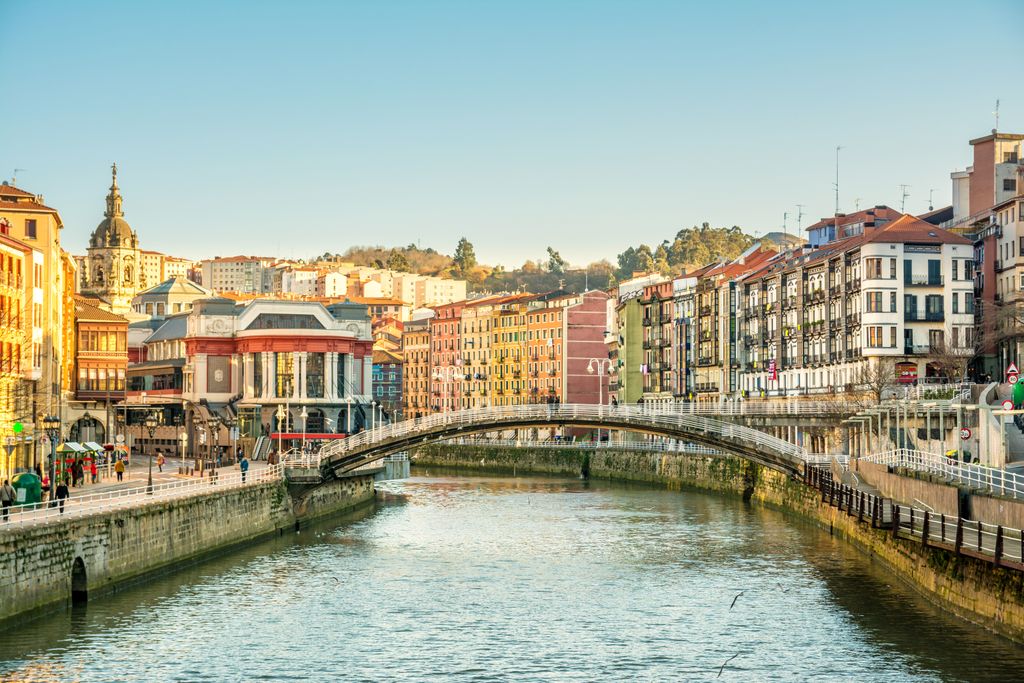
European Weekend Breaks: Where to Go for a Short Escape
A weekend away in Europe can feel like a proper holiday without using up a week of annual leave. In just a few days, you could wander through historic streets, sample local food, admire world-famous architecture or relax beside the sea. The key is to choose a destination that suits your pace and make the most of your time.
Choosing the right destination
For a short break, travel time matters. Look for a city with convenient transport links and an airport or station close to the centre. A direct flight or train journey can leave you with more time to explore, while staying somewhere central may save time on getting around.
Think about what you want from your weekend. Some destinations are ideal for museums and landmarks; others are better for food, shopping or a slower change of scene. It is usually best to plan a few highlights rather than trying to see everything.
Ideas for a European weekend break
Paris, France
Paris is a classic choice for a short city break. Spend time in a neighbourhood café, stroll along the Seine and choose one or two major sights to visit. The city’s districts each have their own character, so it can be rewarding to explore beyond the busiest attractions.
Amsterdam, the Netherlands
With its canals, galleries and compact centre, Amsterdam is easy to explore over a weekend. Hire a bicycle if you are comfortable riding in city traffic, or see the sights on foot and by tram. Popular museums can get busy, so booking ahead is often worthwhile.
Barcelona, Spain
Barcelona combines striking architecture with markets, beaches and a lively dining scene. You could spend one day exploring the city’s landmarks and another enjoying a more relaxed wander through its neighbourhoods. Remember that some attractions require advance tickets, particularly at busy times of year.
Rome, Italy
Rome is rich in history, from ancient ruins to grand piazzas and churches. A weekend is enough to get a taste of the city, though not to see it all. Group nearby sights together and leave room for long lunches, gelato stops and unexpected discoveries.
Lisbon, Portugal
Lisbon offers hilltop views, tiled façades and excellent cafés. Its steep streets are part of the charm, but comfortable shoes are essential. Use the city’s public transport to save your legs, and make time to sample local pastries and seafood.
Copenhagen, Denmark
For a relaxed, design-conscious break, Copenhagen has waterfront walks, independent shops and a strong food culture. The city is well suited to cycling, and its neighbourhoods are a pleasure to explore at an unhurried pace.
How to plan a smooth weekend away
- Check the journey times: Include travel to and from the airport or station, not just the flight or train duration.
- Book key attractions: Reserve tickets in advance where possible, especially for popular museums and landmarks.
- Choose your base carefully: A central location can make a short trip easier, even if the room costs a little more.
- Keep your itinerary realistic: Pick a few priorities and leave some unplanned time.
- Check local transport: Find out whether walking, public transport or a travel pass will suit your plans.
- Pack light: A small bag makes it easier to get around and can help avoid extra baggage costs.
- Check travel requirements: Before departure, confirm passport validity, entry rules, insurance cover and any transport requirements.
Make the most of a short break
The best weekend breaks are not necessarily the ones with the longest sightseeing list. Take time to enjoy the details: a morning coffee in a local square, a walk through a market or dinner in a neighbourhood restaurant. A little preparation can help you spend less time organising and more time experiencing somewhere new.
Whether you choose a grand capital, a coastal city or a quieter cultural destination, Europe offers plenty of possibilities for a memorable escape. Choose a place that matches your interests, travel at a comfortable pace and let the weekend unfold.
Top Tips for a Perfect European Weekend Break
- Book early for popular city breaks.
- Travel light to avoid baggage fees.
- Check passport and entry requirements.
- Use public transport to save money.
- Learn a few local phrases.
- Try regional food and drink.
- Keep some room for spontaneous plans.
- Check museum opening days before you go.
- Take out travel insurance.
Book early for popular city breaks.
Book early for popular city breaks, particularly if you’re travelling during school holidays, bank holidays or major events. Flights, trains and well-located hotels can fill up quickly, and prices often rise as availability falls. Reserving in advance gives you more choice and helps you secure a convenient place to stay, leaving you free to plan the highlights of your weekend.
Travel light to avoid baggage fees.
Travelling light can make a European weekend break simpler and cheaper. A small cabin bag may help you avoid checked-baggage fees, but check your airline’s size and weight limits before you leave, as rules vary. Pack versatile clothes, comfortable shoes and only the essentials, so you can move around easily without paying extra for luggage.
Check passport and entry requirements.
Before booking your European weekend break, check that your passport will be valid for your trip and review the entry requirements for your destination. Rules can vary depending on your nationality and where you are travelling, so consult official government guidance well in advance. Checking early gives you time to renew documents or arrange any required permissions, helping you avoid last-minute stress or disruption.
Use public transport to save money.
Use public transport to save money and make getting around easier. Many European cities have reliable buses, trams, metros and trains, often with day passes or multi-journey tickets that cost less than buying single fares. Check local routes and ticket options before you travel, and remember to validate your ticket if required.
Learn a few local phrases.
Learning a few local phrases can make a European weekend break more enjoyable and help you connect with the people you meet. Simple greetings, “please”, “thank you” and phrases such as “Could I have…?” or “Where is…?” are useful in cafés, shops and when asking for directions. You do not need to be fluent: a little effort, spoken with a smile, is often appreciated and can make everyday interactions feel warmer.
Try regional food and drink.
Make time to try the regional food and drink: it’s one of the easiest ways to get a feel for a place. Visit a local market, order a traditional dish or ask a café owner what they recommend. From fresh pastries and local cheeses to regional wines and craft beers, sampling local favourites can turn an ordinary meal into a memorable part of your weekend break.
Keep some room for spontaneous plans.
Leave a little space in your itinerary for spontaneous plans. You might stumble across a lively market, a tucked-away café or a local event that becomes the highlight of your trip. Avoid filling every hour with booked activities, and you’ll have the freedom to follow your curiosity and enjoy the city at your own pace.
Check museum opening days before you go.
Check museum opening days before you go, as many European museums close on a particular day each week or have different hours at weekends and on public holidays. Confirm the latest details on the museum’s official website, and book timed-entry tickets in advance if needed. A little planning can help you avoid turning up to closed doors and make the most of your time in the city.
Take out travel insurance.
Take out travel insurance before you travel, even for a short European break. A suitable policy can help cover unexpected costs, such as emergency medical treatment, cancellation or lost belongings. Check what the policy includes, any exclusions and whether it covers your planned activities, and keep the policy details handy while you’re away.
Related Posts

Mastering the Art of Language Learning: A Journey to Fluency
The Power of Language Learning The Power of Language Learning…

Exploring Marrakech’s Stunning Landscapes: Quad Biking Adventure in Morocco
Quad Biking in Marrakech, Morocco Quad Biking in Marrakech, Morocco…

Unveiling the Charm: Hotel Escapades in the Heart of London
The Art of Hospitality: Exploring the World of Hotels The…