
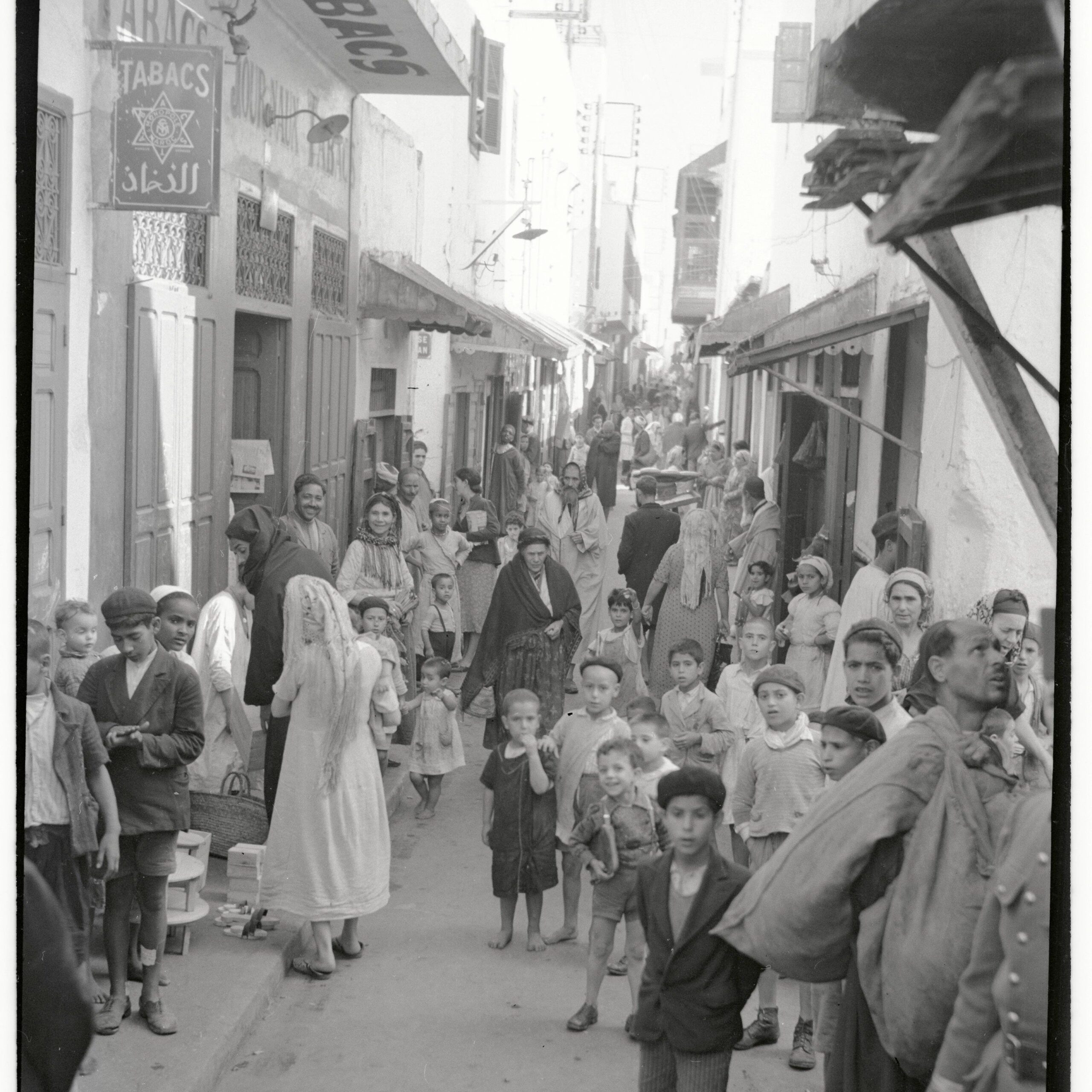
The Rich History of Jewish Morocco
Throughout the centuries, the Jewish community has played a significant role in shaping the cultural tapestry of Morocco. From ancient times to the present day, Jews have left an indelible mark on the history of this North African nation.
Ancient Roots
The presence of Jews in Morocco dates back to antiquity, with evidence suggesting that Jewish communities settled in the region as early as the Roman period. Over time, these communities grew and flourished, establishing synagogues, schools, and cultural institutions that enriched Moroccan society.
The Golden Age
One of the most significant periods in Jewish Moroccan history was during the Islamic Golden Age, when Jews and Muslims coexisted harmoniously and contributed to each other’s intellectual and artistic achievements. Jewish scholars in Morocco made important contributions to fields such as philosophy, medicine, and literature, leaving a lasting legacy that continues to be celebrated today.
The Mellahs
During the medieval period, many Jewish communities in Morocco lived in walled quarters known as mellahs. These areas served as both a place of refuge and a centre of communal life for Moroccan Jews. Despite facing periods of persecution and discrimination, Jewish Moroccans preserved their traditions and customs within these vibrant neighbourhoods.
Migration and Diaspora
Throughout history, waves of migration have shaped the demographic landscape of Jewish Morocco. In the 20th century, many Moroccan Jews emigrated to Israel, Europe, and North America due to political unrest and economic opportunities. Despite this diaspora, Moroccan Jews have maintained strong ties to their ancestral homeland and continue to celebrate their unique cultural heritage.
Cultural Contributions
Jewish Moroccans have made enduring contributions to art, music, cuisine, and literature that reflect their diverse heritage. From intricate mosaics in historic synagogues to traditional Sephardic dishes enjoyed during festive occasions, the cultural legacy of Jewish Morocco is a testament to resilience and creativity.
Promoting Understanding
Today, efforts are being made to preserve and promote the history of Jewish Morocco through education initiatives, cultural exchanges, and heritage projects. By highlighting the shared history between Jews and Moroccans, these endeavours aim to foster greater understanding and appreciation for the contributions of all communities within Moroccan society.
The story of Jewish Morocco is a testament to resilience, creativity,
and intercultural exchange. As we reflect on this rich history,
we honour the enduring legacy of a community that has
enriched Moroccan culture for generations.
Exploring the Rich History of Jewish Morocco: Settlement, Golden Age, Cultural Contributions, Mellahs, and 20th Century Migration
- When did Jews first settle in Morocco?
- What was the Golden Age of Jewish presence in Morocco?
- How did Jewish communities in Morocco contribute to intellectual and artistic fields?
- What were mellahs and their significance in Jewish Moroccan history?
- Why did many Moroccan Jews migrate to other countries in the 20th century?
When did Jews first settle in Morocco?
The history of Jewish presence in Morocco dates back to ancient times, with evidence suggesting that Jews first settled in the region during the Roman period. Over the centuries, Jewish communities in Morocco have flourished and played a significant role in shaping the cultural and intellectual landscape of the country. The early settlement of Jews in Morocco laid the foundation for a rich and diverse heritage that continues to be celebrated and honoured to this day.
What was the Golden Age of Jewish presence in Morocco?
The Golden Age of Jewish presence in Morocco refers to a period of flourishing cultural and intellectual exchange between Jewish and Muslim communities during the Islamic Golden Age. This era, which spanned from the medieval period to the early modern period, saw Jewish scholars in Morocco making significant contributions to fields such as philosophy, medicine, and literature. The coexistence of Jews and Muslims in Morocco during this time fostered a climate of tolerance and mutual respect, allowing for the development of a vibrant intellectual and artistic scene. The legacy of the Golden Age continues to be celebrated as a testament to the rich history of Jewish presence in Morocco.
How did Jewish communities in Morocco contribute to intellectual and artistic fields?
Jewish communities in Morocco made significant contributions to intellectual and artistic fields through their rich cultural heritage and scholarly pursuits. During the Islamic Golden Age, Jewish scholars in Morocco excelled in disciplines such as philosophy, medicine, and literature, fostering a vibrant intellectual environment that influenced the broader society. Their works not only advanced knowledge within these fields but also promoted cross-cultural dialogue and understanding. Additionally, Jewish artists in Morocco created intricate mosaics, textiles, and architectural designs that reflected their unique heritage and artistic sensibilities, enriching the visual landscape of Moroccan artistry. Through their creativity and intellectual endeavours, Jewish communities in Morocco left a lasting legacy that continues to inspire and resonate with audiences across the world.
What were mellahs and their significance in Jewish Moroccan history?
Mellahs were walled quarters in Moroccan cities designated for Jewish residents, serving as both a place of residence and a centre of communal life. These neighbourhoods held significant importance in Jewish Moroccan history as they provided a sense of security and community for the Jewish population. Within the mellahs, Jews maintained their cultural traditions, religious practices, and social connections, preserving their identity amidst periods of persecution and discrimination. The mellahs also served as hubs for economic activities, with Jewish artisans, traders, and scholars contributing to the vibrant tapestry of Moroccan society. Today, the mellahs stand as a testament to the enduring legacy of Jewish presence in Morocco and the resilience of a community that has enriched the country’s history and culture.
Why did many Moroccan Jews migrate to other countries in the 20th century?
In the 20th century, many Moroccan Jews chose to migrate to other countries for a variety of reasons. Political instability, economic opportunities, and the desire for religious freedom were among the primary factors that prompted this wave of emigration. The establishment of the State of Israel in 1948 also played a significant role, as it led to a surge in Jewish migration from Morocco to the newly formed nation. Additionally, increasing anti-Semitic sentiments and discriminatory policies in Morocco further motivated many Jews to seek better prospects abroad. Despite leaving their homeland, Moroccan Jews have maintained strong connections to their cultural heritage and continue to contribute to diverse societies around the world.
Related Posts
Unveiling the Rich Tapestry: A Brief History of Morocco
The Rich Tapestry of Morocco's History Nestled at the crossroads…

Journey Through Morocco: Desert Tour from Marrakech to Fes
Exploring Morocco: Desert Tour from Marrakech to Fes Exploring Morocco:…

Savour the Flavours: Exploring Typical Moroccan Dishes
Typical Moroccan Dishes Exploring the Flavours of Morocco: A Culinary…