
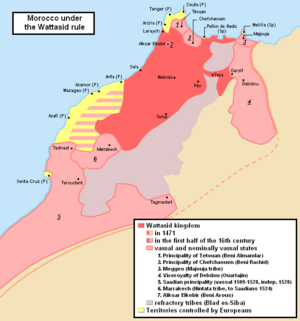
The Fascinating History of Morocco
Morocco, a country located in North Africa, boasts a rich and diverse history that has shaped its unique culture and identity. From ancient Berber civilizations to Arab conquests and European influences, Morocco’s historical tapestry is woven with tales of conquest, trade, and cultural exchange.
Ancient Civilizations
The history of Morocco dates back to ancient times when the region was inhabited by Berber tribes. These indigenous peoples established powerful kingdoms such as Mauretania and Numidia, known for their skilled warriors and advanced agricultural practices.
Arab Conquest
In the 7th century, Arab armies swept across North Africa, bringing Islam to the region and establishing the Umayyad Caliphate. Morocco became part of the Islamic world, adopting Arabic language and culture while preserving its Berber heritage.
Medieval Dynasties
During the medieval period, Morocco was ruled by powerful dynasties such as the Almoravids, Almohads, and Merinids. These dynasties expanded Morocco’s influence across North Africa and into Spain, leaving a lasting impact on architecture, art, and literature.
European Colonization
In the 19th century, European powers vied for control over North Africa. Morocco became a French and Spanish protectorate in the early 20th century before gaining independence in 1956. The legacy of colonial rule is still evident in Morocco’s urban planning and education system.
Modern Era
Since gaining independence, Morocco has undergone significant political and social changes. The country has modernized its infrastructure, diversified its economy, and embraced tourism as a key industry. King Mohammed VI has implemented reforms to promote democracy and human rights while preserving Morocco’s rich cultural heritage.
Cultural Heritage
Today, Morocco is renowned for its vibrant arts scene, exquisite architecture, and traditional crafts such as pottery, textiles, and metalwork. The country’s diverse population reflects its complex history of migration and cultural exchange.
Conclusion
The history of Morocco is a testament to the resilience and creativity of its people who have navigated centuries of change while preserving their unique identity. From ancient Berber traditions to modern innovations, Morocco continues to captivate visitors with its enchanting blend of past and present.
Exploring Morocco’s Rich Tapestry: 8 Insights into Its Historical Legacy
- Morocco has a rich and diverse history influenced by various civilizations such as Berbers, Arabs, and Europeans.
- The country was once part of the Roman Empire and later became an Islamic caliphate.
- Morocco was a French and Spanish protectorate in the 20th century before gaining independence in 1956.
- The Almoravid dynasty ruled Morocco in the 11th century, followed by the Almohad dynasty.
- Marrakech, one of Morocco’s major cities, was founded by the Almoravids in 1062.
- The Moroccan cuisine reflects its history with influences from Arab, Berber, Moorish, and Mediterranean cuisines.
- Morocco is known for its beautiful architecture such as the intricate tile work in mosques and palaces.
- The country has a rich tradition of music, art, and literature that is influenced by its diverse cultural heritage.
Morocco has a rich and diverse history influenced by various civilizations such as Berbers, Arabs, and Europeans.
Morocco’s intricate history is a captivating tapestry woven with the influences of diverse civilizations, including the Berbers, Arabs, and Europeans. Each of these cultures has left an indelible mark on Morocco, shaping its traditions, languages, and architectural styles over the centuries. The fusion of these influences has contributed to the vibrant and multifaceted identity that defines modern-day Morocco, making it a fascinating destination for those eager to explore its rich historical heritage.
The country was once part of the Roman Empire and later became an Islamic caliphate.
Morocco’s historical journey is a captivating tale of transformation and cultural exchange. Once a territory under the mighty Roman Empire, the country later embraced Islam and flourished as an Islamic caliphate. This transition from Roman influence to Islamic governance not only shaped Morocco’s political landscape but also left a lasting impact on its art, architecture, and societal norms. The echoes of this rich history can still be felt in modern-day Morocco, where ancient ruins stand as testaments to the country’s diverse and fascinating past.
Morocco was a French and Spanish protectorate in the 20th century before gaining independence in 1956.
During the 20th century, Morocco was under the dual control of French and Spanish protectorates until it achieved independence in 1956. This period marked a significant chapter in Morocco’s history, as the country transitioned from colonial rule to self-governance, reclaiming its sovereignty and shaping its own destiny. The struggle for independence left a lasting impact on Moroccan society and politics, setting the stage for a new era of nation-building and cultural resurgence.
The Almoravid dynasty ruled Morocco in the 11th century, followed by the Almohad dynasty.
In the 11th century, Morocco was under the rule of the influential Almoravid dynasty, known for its military prowess and expansion across North Africa and Spain. Following the Almoravids, the Almohad dynasty emerged as a dominant force in Morocco, shaping the region’s architecture, culture, and governance. The successive reigns of these powerful dynasties left a lasting impact on Morocco’s history, influencing its art, religion, and societal structures for centuries to come.
Marrakech, one of Morocco’s major cities, was founded by the Almoravids in 1062.
Marrakech, a prominent city in Morocco, holds a significant place in the country’s history as it was established by the Almoravids in 1062. This ancient city, with its vibrant souks, stunning architecture, and rich cultural heritage, stands as a testament to the legacy of the Almoravid dynasty and their influence on shaping Morocco’s urban landscape. Today, Marrakech continues to enchant visitors with its blend of historical charm and modern allure, making it a must-visit destination for those seeking to delve into Morocco’s captivating past.
The Moroccan cuisine reflects its history with influences from Arab, Berber, Moorish, and Mediterranean cuisines.
The culinary landscape of Morocco is a vibrant tapestry woven with influences from Arab, Berber, Moorish, and Mediterranean cuisines, each contributing to the rich flavours and diverse dishes that define Moroccan gastronomy. This fusion of culinary traditions reflects the country’s intricate history of cultural exchange and conquests, resulting in a unique and tantalising blend of spices, ingredients, and cooking techniques that have made Moroccan cuisine a true delight for the senses.
Morocco is known for its beautiful architecture such as the intricate tile work in mosques and palaces.
Morocco is renowned for its exquisite architecture, showcasing intricate tile work that adorns mosques and palaces across the country. The meticulous craftsmanship and vibrant designs of these tiles reflect the rich cultural heritage and artistic traditions of Morocco. From geometric patterns to floral motifs, each tile tells a story of craftsmanship passed down through generations, adding to the allure and beauty of Morocco’s architectural wonders.
The country has a rich tradition of music, art, and literature that is influenced by its diverse cultural heritage.
Morocco boasts a vibrant cultural scene, with a rich tradition of music, art, and literature that reflects its diverse heritage. Influenced by a blend of Berber, Arab, and European cultures, Moroccan creativity shines through in its mesmerising music, intricate artistry, and captivating literature. This fusion of influences has created a unique and dynamic cultural landscape that continues to inspire both locals and visitors alike.
Related Posts
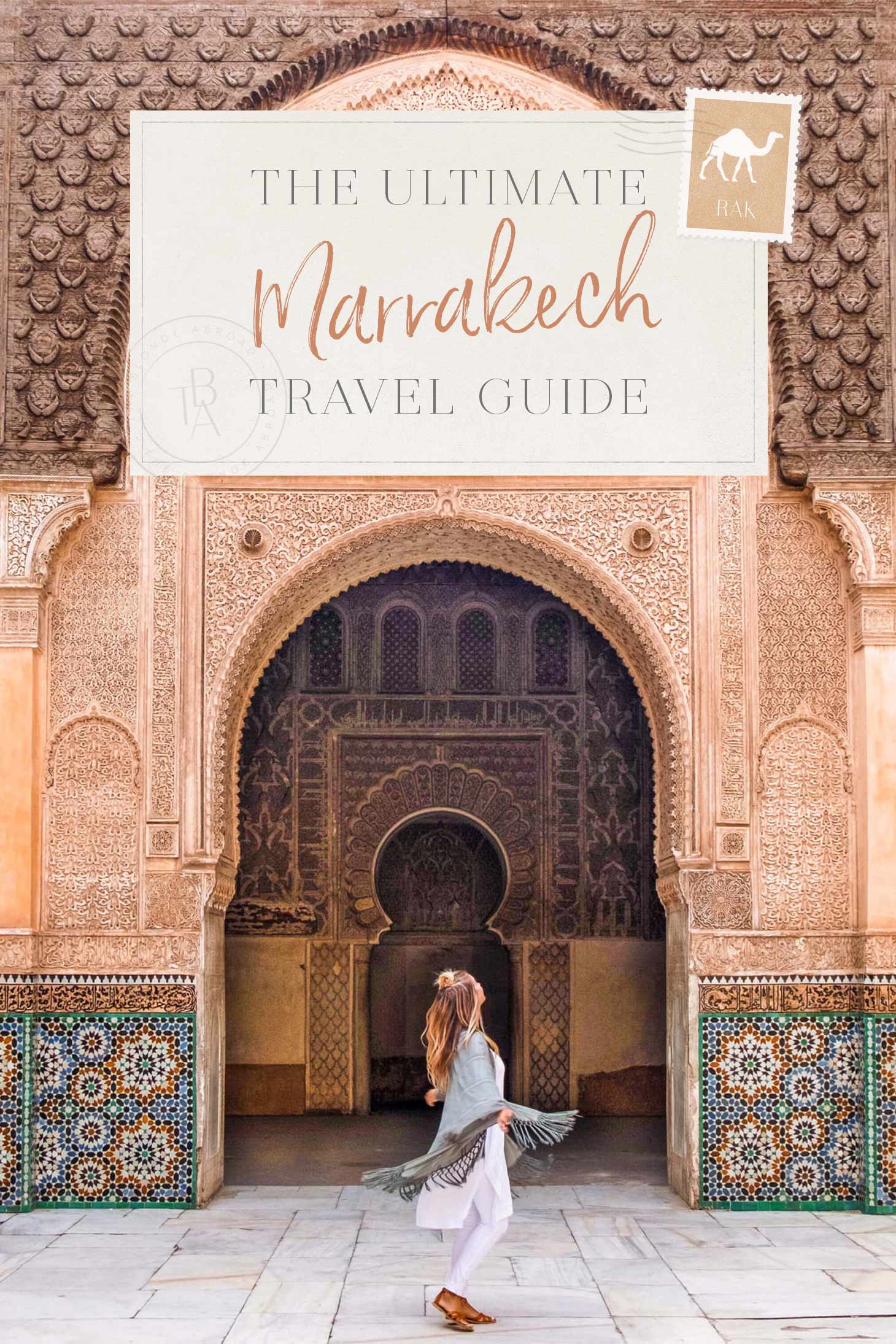
Exploring Marrakech: Your Essential Visit Guide
Your Ultimate Marrakech Visit Guide Unlocking the Mystique of Marrakech…
Discover the Ultimate Guide to the Best European City Breaks
Best European City Breaks The Best European City Breaks for…
Essential Things to Know When Visiting Morocco
Things to Know When Visiting Morocco Things to Know When…