
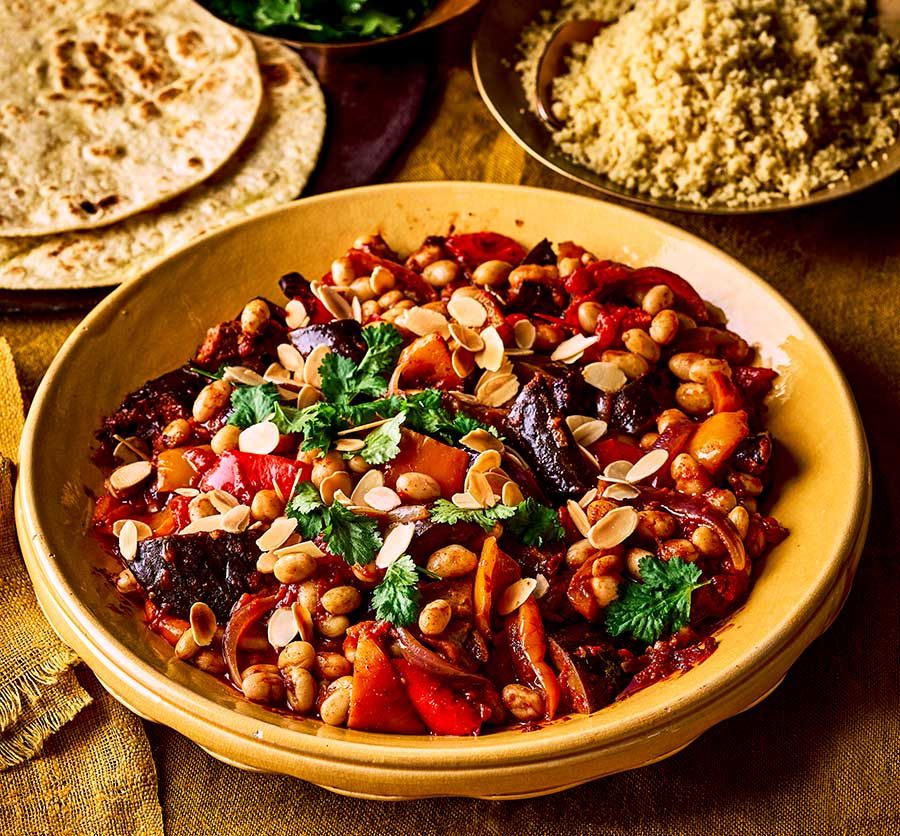
The Middle Eastern Tagine: A Culinary Delight
Originating from North Africa, the tagine has become a beloved dish across the Middle East, celebrated for its rich flavours and aromatic spices. This traditional clay cooking vessel, also known as a Tajine, is not just a piece of cookware but a symbol of hospitality and togetherness.
The Art of Tagine Cooking
Tagine recipes typically consist of slow-cooked stews made with a combination of meat, poultry, fish or vegetables. The unique conical shape of the tagine pot allows steam to circulate during cooking, resulting in tender and flavourful dishes that are infused with the essence of the ingredients.
Flavours of the Middle East
Each region in the Middle East puts its own twist on the classic tagine recipe. In Morocco, you may find fragrant combinations of lamb, apricots and almonds, while in Tunisia, spicy merguez sausages are paired with chickpeas and harissa. In Egypt, tagines often feature succulent seafood like prawns or fish cooked with tomatoes and herbs.
Ingredients and Spices
Common ingredients used in Middle Eastern tagines include preserved lemons, olives, dates, nuts and a variety of aromatic spices such as cumin, cinnamon, paprika and saffron. These ingredients come together to create a symphony of flavours that dance on your taste buds with every bite.
Serving Tradition
Tagines are traditionally served family-style at gatherings or special occasions. The communal act of sharing a tagine meal symbolises unity and connection among diners. The dish is often accompanied by couscous or crusty bread to soak up the delicious sauce.
Experience the Magic
Whether you’re savouring a lamb tagine in Marrakech’s bustling medina or trying a vegetarian version in a cosy Middle Eastern restaurant, the tagine offers an unforgettable culinary experience that transports you to distant lands with each mouthful.
Exploring Middle Eastern Tagine: Common Questions and Answers
- 1. What is a tagine and where does it originate from?
- 2. What are the traditional ingredients used in Middle Eastern tagine recipes?
- 3. How is a tagine different from other cooking methods?
- 4. Are there vegetarian or vegan options for making tagine?
- 5. What spices are commonly used in Middle Eastern tagine dishes?
- 6. Can I use a regular pot to cook a tagine if I don’t have a traditional clay tagine pot?
- 7. How long does it take to cook a typical Middle Eastern tagine dish?
- 8. What are some popular variations of the classic meat-based tagine recipes?
- 9. Are there any cultural traditions or customs associated with serving and eating tagine?
1. What is a tagine and where does it originate from?
The tagine is a traditional North African cooking vessel that has become synonymous with Middle Eastern cuisine. Originating from Morocco, the tagine is a clay pot with a distinctive conical lid that allows for slow and even cooking of stews, meats, vegetables, and aromatic spices. This iconic dish not only infuses ingredients with rich flavours but also serves as a symbol of hospitality and communal dining in the Middle East.
2. What are the traditional ingredients used in Middle Eastern tagine recipes?
In Middle Eastern tagine recipes, a variety of traditional ingredients are used to create the rich and aromatic flavours that define this iconic dish. Commonly found ingredients include succulent meats such as lamb, chicken, or fish, paired with an array of vegetables like carrots, potatoes, and tomatoes. To enhance the taste profile, Middle Eastern tagines often incorporate dried fruits such as apricots or dates for a hint of sweetness, along with a blend of spices like cumin, coriander, cinnamon, and paprika to add depth and warmth to the stew. These carefully selected ingredients come together harmoniously in the tagine pot to produce a culinary masterpiece that delights the senses and captures the essence of Middle Eastern cuisine.
3. How is a tagine different from other cooking methods?
In the realm of culinary traditions, a tagine stands out as a unique cooking vessel that distinguishes itself from other methods in several ways. The conical shape of a tagine pot allows for a slow and gentle cooking process, preserving the flavours and textures of the ingredients within. Unlike conventional pots or pans, the design of a tagine promotes condensation, creating a moist cooking environment that enhances the richness of stews and braises. This method of cooking also infuses dishes with an array of spices and aromatics, resulting in complex and layered flavours that are synonymous with Middle Eastern cuisine. The communal act of sharing a tagine meal further sets it apart, embodying a sense of togetherness and tradition that transcends mere sustenance.
4. Are there vegetarian or vegan options for making tagine?
For those seeking vegetarian or vegan options, Middle Eastern tagine offers a plethora of delicious possibilities. By substituting meat with an array of vibrant vegetables like sweet potatoes, chickpeas, eggplants, and bell peppers, one can create a hearty and flavourful tagine that caters to plant-based diets. Additionally, incorporating aromatic spices and dried fruits not only enhances the dish’s complexity but also ensures that vegetarians and vegans can savour the authentic essence of Middle Eastern cuisine in every bite.
5. What spices are commonly used in Middle Eastern tagine dishes?
In Middle Eastern tagine dishes, a variety of aromatic spices are commonly used to enhance the flavours and create a symphony of taste sensations. Some of the key spices that feature prominently in these dishes include cumin, cinnamon, paprika, saffron, and ginger. These spices not only add depth and complexity to the dish but also infuse it with the distinctive Middle Eastern aroma that tantalises the senses. The careful blend of these spices is what gives Middle Eastern tagine dishes their signature taste and makes them a culinary delight for food enthusiasts seeking an exotic dining experience.
6. Can I use a regular pot to cook a tagine if I don’t have a traditional clay tagine pot?
For those wondering if a traditional clay tagine pot is necessary to cook a Middle Eastern tagine, the answer is yes, you can use a regular pot as an alternative. While the clay tagine pot helps in creating the unique flavours and textures associated with tagine cooking, a regular pot can still produce delicious results. To mimic the slow-cooking and steam circulation of a tagine pot, it is recommended to cook the dish on low heat and ensure there is enough moisture to prevent drying out. Though the experience may differ slightly, using a regular pot allows you to enjoy the aromatic and exotic flavours of a Middle Eastern tagine without needing specialised cookware.
7. How long does it take to cook a typical Middle Eastern tagine dish?
Cooking a typical Middle Eastern tagine dish is a culinary art that requires patience and time. The slow-cooking method used in preparing tagines allows the ingredients to meld together, creating a harmonious blend of flavours. On average, a traditional Middle Eastern tagine dish can take anywhere from 1.5 to 3 hours to cook, depending on the type of meat or vegetables used and the desired level of tenderness. The slow simmering process ensures that the meat becomes tender and succulent, while the spices infuse the dish with layers of complexity. The result is a hearty and aromatic meal that is well worth the wait.
8. What are some popular variations of the classic meat-based tagine recipes?
In Middle Eastern cuisine, the classic meat-based tagine recipes offer a delightful array of popular variations that cater to diverse palates. Some well-loved versions include the aromatic Lamb Tagine with apricots and almonds, known for its sweet and savoury flavour profile. The Chicken Tagine with preserved lemons and olives is another favourite, combining tangy citrus notes with briny olives for a refreshing twist. For those seeking a spicier option, the Beef Tagine with prunes and nuts offers a rich and hearty dish infused with warm spices like cinnamon and cumin. These variations showcase the versatility of tagine cooking, where each recipe tells a unique story through its blend of ingredients and flavours.
9. Are there any cultural traditions or customs associated with serving and eating tagine?
In Middle Eastern culture, serving and eating tagine is steeped in tradition and customs that enhance the dining experience. The communal act of sharing a tagine meal symbolises unity, togetherness, and hospitality. It is common for families and friends to gather around a steaming hot tagine, placed at the centre of the table, creating an intimate and social atmosphere. When enjoying a tagine, it is customary to use your right hand or a piece of bread to scoop up the tender meat and vegetables, savoring each bite with gratitude for the flavours and company shared. This cultural practice not only nourishes the body but also fosters connections and strengthens bonds among those partaking in this culinary tradition.
Related Posts

Unveiling the Flavours of Morocco: Exploring the Moroccan National Dish
Exploring the Flavours of Morocco: The Moroccan National Dish Exploring…
Discover the Enchanting Rabat Tourist Attractions: A Gateway to Morocco’s Rich Heritage
Rabat Tourist Attractions Exploring the Enchanting Rabat: A Guide to…
Elevate Your Culinary Skills with Bespoke Private Cooking Lessons
Private Cooking Lessons: A Taste of Culinary Mastery Private Cooking…