
The Modern History of Morocco: A Journey of Transformation
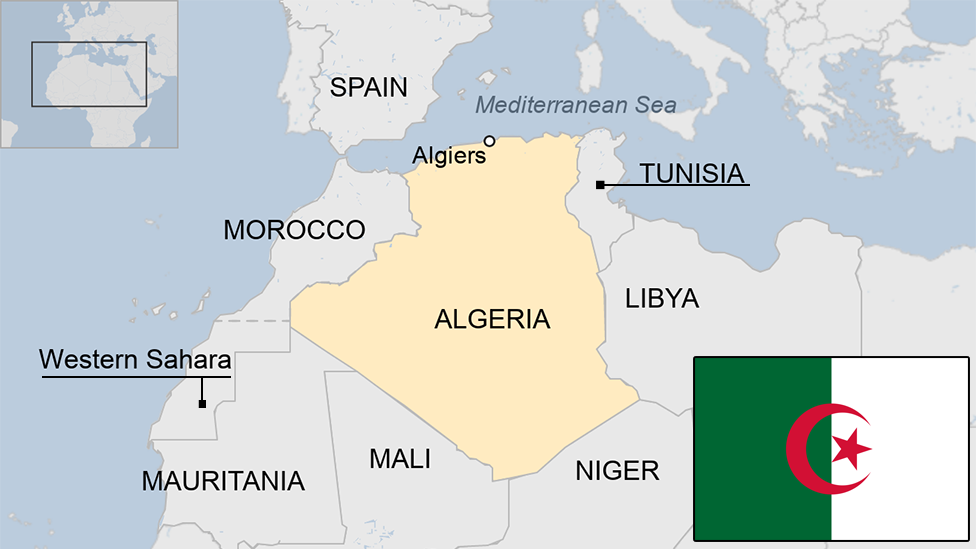
Located at the crossroads of Africa and Europe, Morocco has a history that is as diverse and captivating as its landscape. The modern history of Morocco is a tale of resilience, reform, and revolution that has shaped the country into the vibrant nation it is today.
Colonial Rule and Independence
In the late 19th century, Morocco became a target for European colonial powers seeking to expand their empires. The country was divided into French and Spanish protectorates in 1912, marking the beginning of a period of foreign domination. Despite this, Moroccan resistance movements persisted, leading to the eventual independence in 1956.
The Reign of King Hassan II
Following independence, King Hassan II ascended to the throne and embarked on a mission to modernise and develop Morocco. His rule saw significant infrastructure projects, economic reforms, and efforts to strengthen ties with both Western nations and Arab states. However, his reign was also marked by political repression and human rights abuses.
The Arab Spring and Constitutional Reforms
In 2011, inspired by the wave of protests across the Arab world, Moroccans took to the streets demanding political change and social justice. In response, King Mohammed VI introduced a new constitution that granted more powers to elected officials and recognised Berber as an official language alongside Arabic.
Economic Growth and Social Challenges
In recent years, Morocco has experienced steady economic growth driven by sectors such as tourism, agriculture, and manufacturing. The government has also invested in infrastructure projects to improve connectivity within the country. However, challenges such as youth unemployment, poverty in rural areas, and regional disparities remain pressing issues for Moroccan society.
Looking Towards the Future
As Morocco continues its journey through modern history, it faces both opportunities and challenges on its path towards progress. With a rich cultural heritage, strategic location, and dynamic population, Morocco is poised to play a key role in shaping the future of North Africa and beyond.
From colonial rule to constitutional reforms, Morocco’s modern history is a testament to its ability to adapt and evolve in the face of change. As this North African nation navigates its way through the complexities of the 21st century global landscape, one thing remains certain—Morocco’s story is far from over.
Key Aspects of Modern Moroccan History: Independence, Leadership, and Contemporary Challenges
- When did Morocco gain independence from colonial rule?
- Who was King Hassan II and what were his key contributions to modern Morocco?
- What were the main events of the Arab Spring in Morocco?
- How has Morocco’s economy evolved in recent years?
- What are the major social challenges facing modern Morocco?
When did Morocco gain independence from colonial rule?
Morocco gained independence from colonial rule in 1956. After years of being divided into French and Spanish protectorates, the country finally reclaimed its sovereignty and autonomy. This pivotal moment in Moroccan history marked the end of foreign domination and the beginning of a new era of self-governance and national identity.
Who was King Hassan II and what were his key contributions to modern Morocco?
King Hassan II was a pivotal figure in the modern history of Morocco, reigning as king from 1961 to 1999. Known for his ambitious vision and determination to modernise the country, King Hassan II oversaw significant infrastructure projects, economic reforms, and diplomatic efforts that shaped modern Morocco. His key contributions include the construction of vital infrastructure such as dams, roads, and airports, which laid the foundation for economic development. Additionally, he played a crucial role in strengthening Morocco’s international relations and positioning the country as a key player in regional affairs. However, his reign was also marked by political repression and human rights abuses, leading to a complex legacy that continues to be debated in contemporary Moroccan society.
What were the main events of the Arab Spring in Morocco?
The main events of the Arab Spring in Morocco were characterised by a series of protests and demonstrations that took place in 2011. Inspired by the uprisings across the Arab world, Moroccans called for political reforms, social justice, and greater democracy. King Mohammed VI responded by announcing a new constitution that granted more powers to elected officials and recognised Berber as an official language alongside Arabic. While the protests in Morocco were relatively peaceful compared to other countries in the region, they marked a significant moment in the country’s modern history and paved the way for ongoing discussions about political participation and social change.
How has Morocco’s economy evolved in recent years?
In recent years, Morocco’s economy has undergone significant evolution, marked by steady growth and diversification. The country has made strategic investments in key sectors such as tourism, agriculture, and manufacturing, leading to increased economic activity and job creation. Additionally, Morocco has focused on enhancing its infrastructure and promoting foreign investment to drive further development. While challenges such as youth unemployment and regional disparities persist, the government’s commitment to economic reforms and sustainable growth bodes well for Morocco’s future prosperity.
What are the major social challenges facing modern Morocco?
In modern Morocco, several major social challenges persist, shaping the country’s societal landscape. High youth unemployment rates, particularly in urban areas, pose a significant concern, leading to issues of economic instability and social unrest. Rural poverty remains a pressing issue, with disparities in access to basic services such as healthcare and education between urban and rural populations. Additionally, gender inequality persists in various aspects of society, despite efforts to promote women’s rights and empowerment. Addressing these social challenges requires comprehensive strategies that prioritise inclusive economic development, equitable access to resources, and progressive social policies to ensure a more prosperous and harmonious future for all Moroccans.
Related Posts
Savour the Flavours of Moroccan Food: Exploring the Art of Tagine
The Art of Moroccan Tagine: A Culinary Delight When it…
Discovering Rabat’s Top Tourist Attractions in Morocco
Exploring Rabat, Morocco: Top Tourist Attractions Exploring Rabat, Morocco: Top…

Unveiling the Timeless Charms of Traditional Moroccan Culture
Exploring Traditional Moroccan Culture The Rich Tapestry of Traditional Moroccan…