
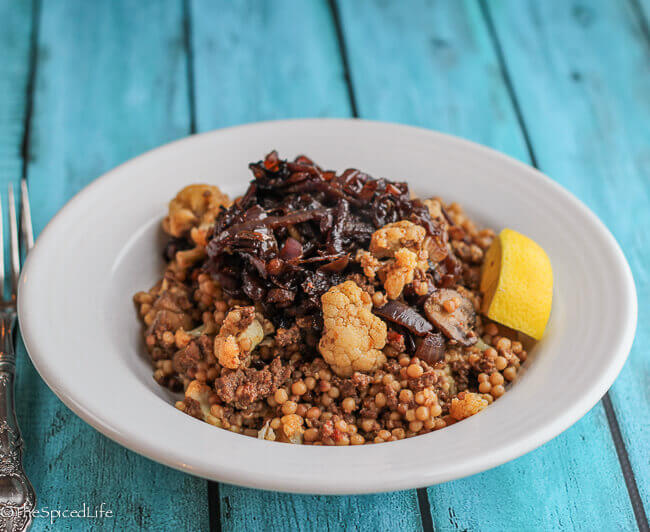
The Delightful Flavours of Moroccan Couscous
When it comes to iconic dishes that embody the essence of Moroccan cuisine, couscous undoubtedly takes centre stage. This beloved North African staple has captured the hearts and taste buds of food enthusiasts around the globe with its fragrant spices, tender meat, and vibrant vegetables.
A Culinary Tradition
Couscous holds a special place in Moroccan culture, often served as a symbol of hospitality and togetherness during festive occasions and family gatherings. The traditional method of preparing couscous involves steaming tiny granules of durum wheat semolina in a special pot known as a couscoussier.
Flavours that Dance on the Palate
What sets Moroccan couscous apart is its harmonious blend of spices and ingredients that create a symphony of flavours. Cumin, coriander, cinnamon, and saffron infuse the dish with warmth and depth, while ingredients such as lamb, chicken, or vegetables add richness and texture.
Variety in Every Bite
Moroccan couscous comes in various forms, each offering a unique culinary experience. From the classic Couscous Royal featuring a medley of meats like lamb, chicken, and merguez sausage to vegetarian versions bursting with seasonal vegetables like carrots, zucchini, and chickpeas—there is a couscous dish to suit every palate.
Serving Tradition
Traditionally, Moroccan couscous is served communal-style where diners gather around a large platter heaped with fluffy semolina grains topped with succulent meats and vegetables. The dish is often accompanied by harissa—a spicy chilli paste—and preserved lemons for an added burst of flavour.
Experience the Magic
Whether you savour it in a bustling souk in Marrakech or recreate it in your own kitchen, Moroccan couscous promises an unforgettable culinary journey. Let the aroma of exotic spices transport you to the vibrant streets of Morocco as you indulge in this timeless dish that celebrates tradition and flavour.
7 Essential Tips for Perfecting Traditional Moroccan Couscous
- Couscous is a staple food in Moroccan cuisine, traditionally made from semolina wheat.
- When preparing couscous, ensure to fluff it with a fork after cooking to prevent clumping.
- Moroccan couscous is often served with a stew of meat and vegetables, such as lamb or chicken with carrots, zucchini, and chickpeas.
- To add flavour to couscous, consider using spices like cumin, coriander, cinnamon, and paprika in your cooking.
- For a traditional touch, steam the couscous over the simmering stew to allow it to absorb the flavours from below.
- Garnish your couscous dish with fresh herbs like parsley or cilantro before serving for added freshness and colour.
- In Morocco, couscous is often enjoyed during special occasions and family gatherings as a symbol of hospitality.
Couscous is a staple food in Moroccan cuisine, traditionally made from semolina wheat.
Couscous holds a significant place in Moroccan cuisine as a staple food, crafted with care from semolina wheat using traditional methods. This beloved dish embodies the essence of Moroccan culinary traditions, with its fluffy texture and ability to absorb the rich flavours of spices, meats, and vegetables. Whether enjoyed during festive gatherings or as a comforting family meal, Moroccan couscous showcases the artistry and heritage of this vibrant North African cuisine.
When preparing couscous, ensure to fluff it with a fork after cooking to prevent clumping.
When preparing the quintessential Moroccan dish, couscous, it is essential to follow a crucial tip: after cooking the couscous, be sure to fluff it with a fork. This simple yet important step helps prevent the grains from clumping together, ensuring that each mouthful remains light, fluffy, and perfectly textured. By gently separating the cooked couscous with a fork, you maintain its delicate consistency and allow the flavours of the dish to shine through harmoniously.
Moroccan couscous is often served with a stew of meat and vegetables, such as lamb or chicken with carrots, zucchini, and chickpeas.
In Moroccan cuisine, couscous is commonly paired with a delectable stew featuring a medley of tender meat and vibrant vegetables. This traditional dish showcases the rich flavours of succulent lamb or chicken simmered alongside carrots, zucchini, and chickpeas, creating a harmonious blend of textures and tastes. The hearty combination of protein and fresh produce in the couscous stew reflects the essence of Moroccan culinary artistry, inviting diners to savour a symphony of fragrant spices and wholesome ingredients in every delightful bite.
To add flavour to couscous, consider using spices like cumin, coriander, cinnamon, and paprika in your cooking.
Elevate the taste of your Moroccan couscous by incorporating a blend of aromatic spices such as cumin, coriander, cinnamon, and paprika into your cooking. These flavourful additions not only infuse the dish with warmth and depth but also create a tantalising symphony of tastes that will transport your senses to the vibrant culinary landscape of Morocco.
For a traditional touch, steam the couscous over the simmering stew to allow it to absorb the flavours from below.
For an authentic Moroccan culinary experience, enhance the flavour profile of your couscous by steaming it over the simmering stew. This traditional method not only ensures that the couscous is perfectly cooked but also allows it to imbibe the rich aromas and spices of the stew below. By marrying the textures and tastes in this way, you can elevate your couscous dish to new heights, capturing the essence of Moroccan cuisine in every mouthful.
Garnish your couscous dish with fresh herbs like parsley or cilantro before serving for added freshness and colour.
Enhance the visual appeal and freshness of your Moroccan couscous dish by sprinkling it with vibrant, aromatic fresh herbs such as parsley or cilantro just before serving. These fragrant greens not only add a pop of colour to your plate but also infuse each bite with a burst of refreshing flavour, elevating the overall dining experience. Embrace this simple yet effective tip to impress your guests and bring a touch of authenticity to your culinary creation.
In Morocco, couscous is often enjoyed during special occasions and family gatherings as a symbol of hospitality.
In Morocco, couscous holds a cherished place in culinary traditions, often gracing the tables during special occasions and family gatherings as a symbolic gesture of hospitality. This beloved dish not only nourishes the body but also brings people together, fostering a sense of warmth and connection as loved ones gather to share in its delightful flavours.
Related Posts

Savour the Flavours: Authentic Moroccan Couscous Recipe
Authentic Moroccan Couscous Recipe Authentic Moroccan Couscous Recipe When it…

Morocco: The Most Popular Tourist Destination in North Africa
Morocco: A Jewel of North Africa Morocco: A Jewel of…
Savouring the Delights of Traditional Moroccan Food: A Culinary Journey Through Morocco’s Flavours
The Flavours of Morocco: Exploring Traditional Moroccan Cuisine When it…