
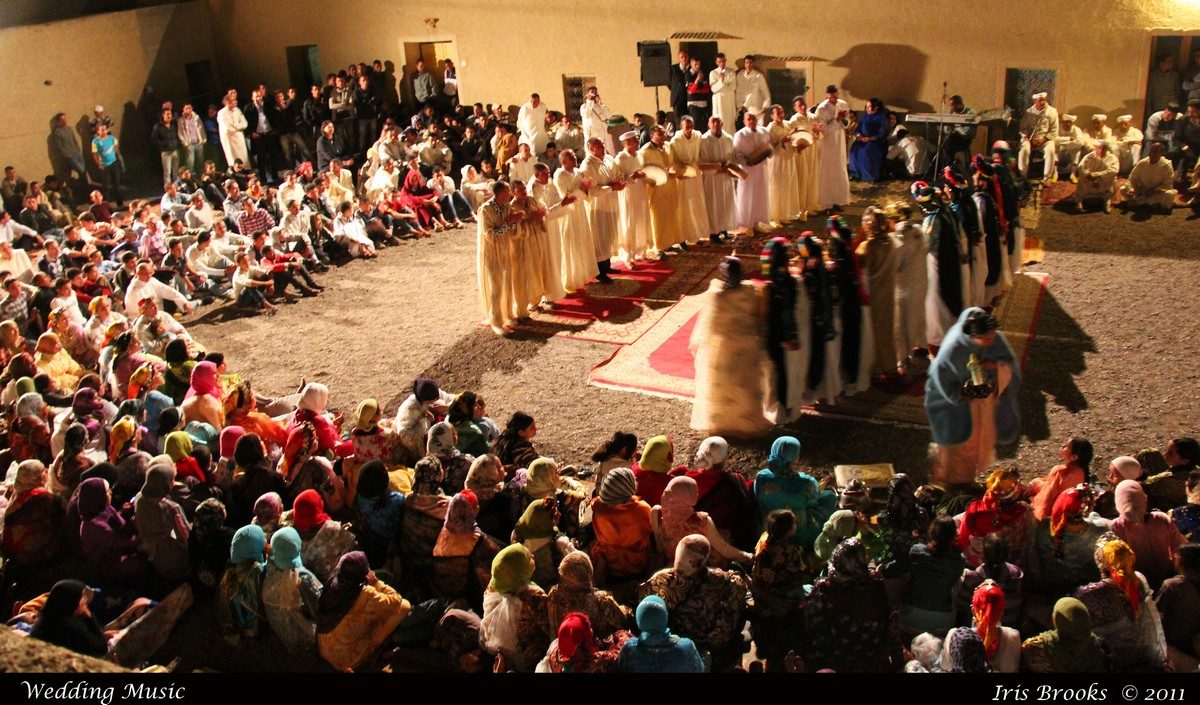
The Vibrant Tapestry of Moroccan Traditions and Festivals
Morocco, a land steeped in history and culture, is renowned for its rich tapestry of traditions and vibrant festivals that reflect the country’s diverse heritage. From colourful celebrations to ancient customs, let’s delve into the enchanting world of Moroccan traditions and festivals.
Traditional Customs
Moroccan society is deeply rooted in tradition, with customs that have been passed down through generations. One such tradition is the art of tea-making, where mint tea holds a special place in daily life and social gatherings. The intricate process of preparing and serving tea symbolises hospitality and friendship in Moroccan culture.
Another prominent custom is the practice of henna tattooing, often seen during weddings and special occasions. Henna designs are applied to the skin as a form of decoration and blessing, signifying joy, beauty, and protection.
Festivals Across Morocco
Morocco’s calendar is brimming with vibrant festivals that showcase the country’s diverse cultural influences. One of the most famous festivals is Eid al-Fitr, marking the end of Ramadan with feasting, prayer, and acts of charity. Streets come alive with colourful decorations as families gather to celebrate this joyous occasion.
The Festival of Roses in Kelaa des M’Gouna honours the blooming roses in the region with parades, music performances, and traditional dances. Visitors can immerse themselves in the sweet scent of roses while experiencing the local hospitality that defines this festival.
Music and Dance Celebrations
Morocco’s music and dance traditions are integral to its cultural identity. The Gnaoua World Music Festival in Essaouira brings together musicians from around the world to celebrate Gnaoua music—a fusion of African rhythms, Berber melodies, and Arabic influences. This festival showcases Morocco’s musical diversity while fostering cross-cultural exchanges.
The Tanjazz Festival in Tangier attracts jazz enthusiasts from far and wide with its eclectic lineup of international artists performing against the backdrop of Tangier’s historic sites. Jazz aficionados can revel in soulful melodies under starlit skies during this annual celebration.
Celebrating Diversity Through Tradition
As Morocco continues to embrace modernity while preserving its cultural heritage, traditions and festivals play a vital role in connecting communities across the country. These celebrations serve as a testament to Morocco’s enduring spirit—a harmonious blend of past traditions and present-day festivities that captivate locals and visitors alike.
From ancient rituals to contemporary events, Morocco’s traditions and festivals offer a glimpse into a world where history meets innovation, creating an unforgettable tapestry woven with threads of culture, music, dance, and joy.
Discover the Rich Tapestry of Morocco: Traditions and Festivals Unveiled
- 1. Experience the vibrant colours and lively atmosphere of Moroccan festivals.
- 2. Immerse yourself in age-old traditions that have been preserved for centuries.
- 3. Taste the authentic flavours of Moroccan cuisine during festive celebrations.
- 4. Witness the beauty of intricate henna designs that adorn hands and feet during special occasions.
- 5. Enjoy the rhythmic beats and melodies of traditional Moroccan music at cultural festivals.
- 6. Explore the diverse cultural influences that shape Morocco’s unique traditions.
- 7. Participate in tea ceremonies that symbolise hospitality and friendship in Moroccan society.
- 8. Celebrate joyous occasions such as Eid al-Fitr with local communities across Morocco.
- 9. Discover the enchanting world of roses at the Festival of Roses in Kelaa des M’Gouna.
Challenges Facing Tourists at Moroccan Traditions and Festivals: Accessibility, Language, Commercialisation, and Overcrowding
- Limited accessibility for tourists to fully participate in certain traditional rituals due to cultural sensitivities and exclusivity.
- Language barriers may hinder non-Arabic speakers from fully understanding the significance of certain traditions and festival customs.
- Over-commercialisation of some festivals may dilute their authenticity and cultural essence, catering more towards tourist expectations than local heritage.
- Certain festivals may lead to overcrowding and strain on local infrastructure, impacting the overall experience for both visitors and residents.
1. Experience the vibrant colours and lively atmosphere of Moroccan festivals.
Immerse yourself in the vibrant colours and lively atmosphere of Moroccan festivals, where every celebration is a kaleidoscope of sights and sounds. From the bustling markets adorned with intricate decorations to the rhythmic beats of traditional music that fill the air, experiencing Morocco’s festivals is like stepping into a living painting where joy and energy intertwine. The vivid hues of costumes, the aromatic scents of local delicacies, and the contagious spirit of merriment create an unforgettable sensory experience that showcases the true essence of Moroccan culture and traditions.
2. Immerse yourself in age-old traditions that have been preserved for centuries.
Immerse yourself in age-old traditions that have been preserved for centuries in Morocco, where each festival and custom carries a profound sense of history and cultural significance. From the intricate art of henna tattooing to the rhythmic beats of traditional music, exploring Moroccan traditions offers a unique opportunity to connect with a heritage that has withstood the test of time. By participating in these time-honoured practices, visitors can gain a deeper understanding of Morocco’s rich cultural tapestry and experience the beauty of traditions that have been cherished for generations.
3. Taste the authentic flavours of Moroccan cuisine during festive celebrations.
Indulge in a culinary journey like no other as you taste the authentic flavours of Moroccan cuisine during festive celebrations. From the aromatic tagines to the sweet pastries, Moroccan festivals offer a feast for the senses that showcases the country’s rich culinary heritage. Savour traditional dishes prepared with local ingredients and spices, each bite telling a story of tradition and culture. Immerse yourself in the vibrant food culture of Morocco during these festive occasions, where every meal is a celebration of flavour and hospitality.
4. Witness the beauty of intricate henna designs that adorn hands and feet during special occasions.
One captivating aspect of Moroccan traditions and festivals is the beauty of intricate henna designs that grace the hands and feet of individuals during special occasions. These elaborate designs, crafted with precision and artistry, hold deep cultural significance and add a touch of elegance to celebrations. The application of henna symbolises joy, blessings, and rituals, creating a visual feast for the eyes that showcases the skilled craftsmanship and creativity inherent in Moroccan culture.
5. Enjoy the rhythmic beats and melodies of traditional Moroccan music at cultural festivals.
Experience the enchanting allure of traditional Moroccan music at cultural festivals, where rhythmic beats and soul-stirring melodies transport you to a realm of musical bliss. Immerse yourself in the vibrant sounds of Gnaoua music, Berber tunes, and Arabic influences that resonate through the air, creating a harmonious atmosphere that celebrates Morocco’s rich musical heritage. Whether you’re a music enthusiast or simply looking to be swept away by captivating rhythms, these cultural festivals offer a unique opportunity to connect with the heart and soul of Moroccan traditions through the universal language of music.
6. Explore the diverse cultural influences that shape Morocco’s unique traditions.
Exploring the diverse cultural influences that shape Morocco’s unique traditions offers a fascinating glimpse into the country’s rich heritage. From Berber customs to Arab influences and European legacies, Morocco’s traditions and festivals are a vibrant mosaic reflecting centuries of cross-cultural exchange. By immersing oneself in these diverse influences, one can truly appreciate the depth and complexity of Morocco’s cultural tapestry, making each tradition and festival a captivating journey through history and identity.
7. Participate in tea ceremonies that symbolise hospitality and friendship in Moroccan society.
Participating in tea ceremonies that symbolise hospitality and friendship in Moroccan society is a delightful way to immerse oneself in the warm embrace of local traditions. The intricate process of preparing and serving mint tea not only offers a glimpse into Moroccan culture but also fosters connections with others through shared moments of camaraderie and conversation. This age-old ritual reflects the essence of hospitality deeply ingrained in Moroccan society, where every cup of tea serves as a gesture of welcome and friendship, creating lasting memories for both guests and hosts alike.
8. Celebrate joyous occasions such as Eid al-Fitr with local communities across Morocco.
Embrace the heartwarming tradition of celebrating joyous occasions like Eid al-Fitr alongside local communities throughout Morocco. This festive time brings people together in a spirit of unity and generosity, as streets come alive with vibrant decorations, shared meals, and acts of kindness. By partaking in these celebrations, visitors have the opportunity to immerse themselves in the rich cultural tapestry of Morocco, forging connections and creating lasting memories that highlight the country’s deep-rooted traditions of hospitality and togetherness.
9. Discover the enchanting world of roses at the Festival of Roses in Kelaa des M’Gouna.
Immerse yourself in the enchanting world of roses at the Festival of Roses in Kelaa des M’Gouna. This vibrant celebration honours the blooming roses of the region, offering a sensory feast of colours, scents, and cultural experiences. Visitors are invited to witness traditional parades, music performances, and dances that capture the essence of Moroccan hospitality and beauty. The Festival of Roses is a unique opportunity to delve into the rich tapestry of Moroccan traditions while surrounded by the natural splendour of blooming roses, creating a truly magical and unforgettable experience.
Limited accessibility for tourists to fully participate in certain traditional rituals due to cultural sensitivities and exclusivity.
Travellers exploring Morocco may encounter a challenge in fully engaging with certain traditional rituals and festivals due to cultural sensitivities and exclusivity. While the country’s rich tapestry of customs and celebrations is a draw for many visitors, some experiences may remain out of reach for tourists as certain rituals are deeply rooted in local customs and beliefs that require a level of understanding and respect to participate fully. This limited accessibility adds an air of mystique to Morocco’s traditions, highlighting the importance of cultural sensitivity and appreciation when engaging with the country’s heritage.
Language barriers may hinder non-Arabic speakers from fully understanding the significance of certain traditions and festival customs.
Language barriers can present a significant challenge for non-Arabic speakers looking to fully grasp the depth and significance of Morocco’s traditions and festival customs. The intricacies of these cultural practices, often intertwined with language-specific nuances and historical contexts, may be lost in translation for those not well-versed in Arabic. This barrier can limit the immersive experience and profound understanding that comes from directly engaging with the language and its cultural implications, highlighting the importance of language accessibility in preserving and sharing Morocco’s rich heritage with a global audience.
Over-commercialisation of some festivals may dilute their authenticity and cultural essence, catering more towards tourist expectations than local heritage.
The over-commercialisation of certain festivals in Morocco poses a conundrum, as the emphasis on profit-making can sometimes overshadow the authenticity and cultural essence of these celebrations. In an effort to cater to tourist expectations, some festivals may stray from their roots, diluting the local heritage that once defined them. This shift towards commercial interests risks compromising the genuine traditions and values that have long been cherished by the local communities, highlighting the delicate balance between preserving cultural authenticity and meeting the demands of a tourism-driven industry.
Certain festivals may lead to overcrowding and strain on local infrastructure, impacting the overall experience for both visitors and residents.
Certain festivals in Morocco may inadvertently contribute to issues such as overcrowding and strain on local infrastructure, which can have a negative impact on the overall experience for both visitors and residents alike. The influx of attendees during popular festivals may lead to challenges in maintaining the quality of services and amenities, potentially diminishing the authenticity and enjoyment of the cultural celebrations. Balancing the preservation of tradition with sustainable tourism practices becomes essential to ensure that these events continue to be celebrated in a way that benefits all involved parties.
Related Posts
Essaouira: Unveiling the Charms of Morocco’s Coastal Gem
Exploring Essaouira: The Jewel of Morocco's Atlantic Coast Exploring Essaouira:…
Journey Through Time: Unforgettable Historical Excursions
Exploring the Past: Historical Excursions Exploring the Past: Historical Excursions…
Exploring the Rich Tapestry of Festivals in Morocco
Festivals in Morocco The Vibrant Festivals of Morocco Morocco is…