
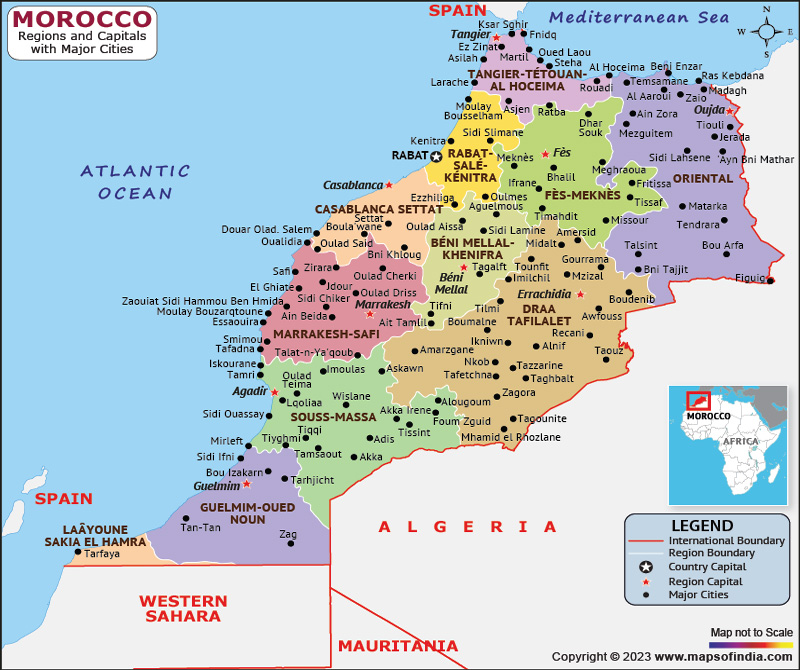
The Rich Tapestry of Morocco’s History
Nestled at the crossroads of Africa, Europe, and the Middle East, Morocco boasts a history as diverse and vibrant as its landscapes. From ancient Berber tribes to Arab dynasties and European colonial powers, the country’s past is a tapestry woven with threads of conquest, trade, and cultural exchange.
Ancient Roots
The history of Morocco dates back thousands of years to the time of the Berber people, who inhabited the region long before written records. These indigenous North African tribes established flourishing kingdoms and trading networks, leaving behind impressive monuments such as the Roman ruins at Volubilis.
Arab Conquest and Islamic Influence
In the 7th century AD, Arab armies swept across North Africa, bringing Islam to Morocco and establishing a new era of political and cultural development. The Umayyad and Abbasid caliphates ruled over the region, leaving a lasting impact on Moroccan architecture, language, and religion.
The Dynasties of Morocco
Over the centuries, Morocco was ruled by powerful dynasties such as the Almoravids, Almohads, Merinids, and Saadians. These royal families built magnificent palaces, mosques, and fortifications that still stand today as testaments to their grandeur and influence.
European Colonization
In the 19th and 20th centuries, Morocco became a target for European colonial powers seeking to exploit its strategic location and resources. France and Spain established protectorates over different regions of the country, leading to decades of resistance and struggle for independence.
Modern-day Morocco
Morocco gained independence from France in 1956 under King Mohammed V. Since then, the country has embarked on a path of modernization while preserving its rich cultural heritage. Today, Morocco is known for its bustling cities like Marrakech and Casablanca, stunning landscapes in the Atlas Mountains and Sahara Desert, and vibrant arts scene that blends traditional craftsmanship with contemporary creativity.
As you traverse through the streets of Fez’s ancient medina or gaze upon the blue hues of Chefchaouen’s buildings against a mountain backdrop, remember that each corner of Morocco holds a piece of its fascinating history waiting to be discovered.
Exploring Morocco’s Rich Heritage: A Journey Through Ancient Civilisations and Diverse Influences
- Rich heritage dating back to ancient Berber civilizations
- Influential Islamic dynasties shaped Moroccan culture and architecture
- Historic cities like Fez and Marrakech offer a glimpse into the past
- Diverse influences from Arab, African, and European civilizations
- Strategic location as a gateway between Africa and Europe
- Fascinating blend of traditional customs and modern developments
- Stunning landscapes from the Atlas Mountains to the Sahara Desert
Challenges in Understanding Morocco’s Historical Narrative: Limited Records, Colonial Impact, Political Instability, and Varied Interpretations
- Limited historical records from ancient Berber civilizations make it challenging to fully understand early Moroccan history.
- The impact of European colonization has left lasting scars on Morocco’s social and political landscape.
- Political instability and regional conflicts have at times hindered the preservation and study of Morocco’s historical sites.
- Interpretation of historical events in Morocco can vary due to differing perspectives from various cultural and academic sources.
Rich heritage dating back to ancient Berber civilizations
The rich heritage of Morocco traces its origins back to the ancient Berber civilizations that once thrived in the region. These indigenous North African tribes left a lasting imprint on Moroccan culture, language, and traditions. From their skilled craftsmanship to their intricate social structures, the Berbers laid the foundation for the diverse and vibrant tapestry of Moroccan history that continues to captivate visitors from around the world.
Influential Islamic dynasties shaped Moroccan culture and architecture
The influential Islamic dynasties that once ruled over Morocco have left an indelible mark on the country’s culture and architecture. From the intricate geometric patterns adorning mosques to the majestic palaces adorned with colourful tiles, these dynasties brought a fusion of Arabic, Berber, and Andalusian influences that define Morocco’s unique aesthetic. The legacy of these dynasties can be seen in every corner of the country, reminding us of a rich history shaped by centuries of Islamic artistry and innovation.
Historic cities like Fez and Marrakech offer a glimpse into the past
Historic cities like Fez and Marrakech in Morocco serve as living time capsules, offering visitors a captivating glimpse into the country’s rich and storied past. As you wander through the labyrinthine streets of Fez’s ancient medina or stand in awe of Marrakech’s vibrant souks and iconic landmarks, you are transported back in time to an era of bustling markets, grand palaces, and intricate architecture. These historic cities not only showcase Morocco’s cultural heritage but also provide a tangible connection to the traditions and legacies that have shaped the country over centuries.
Diverse influences from Arab, African, and European civilizations
Morocco’s rich history is a testament to the diverse influences it has absorbed from Arab, African, and European civilizations over the centuries. The country’s cultural tapestry is woven with threads of Berber traditions, Islamic heritage brought by Arab conquerors, and artistic inspirations from European colonial powers. This unique blend of influences is evident in Morocco’s architecture, cuisine, music, and language, creating a dynamic and vibrant society that celebrates its multicultural roots.
Strategic location as a gateway between Africa and Europe
Morocco’s strategic location as a gateway between Africa and Europe has been a defining factor in shaping its history and culture. Situated at the entrance of the Mediterranean Sea, Morocco has served as a vital crossroads for trade, diplomacy, and cultural exchange between the two continents. Its proximity to Europe made it an attractive destination for conquerors and traders seeking access to African markets, while also allowing Moroccan merchants to establish lucrative connections with European counterparts. This geographical advantage continues to position Morocco as a bridge between diverse worlds, fostering a unique blend of influences that enrich its identity as a nation at the crossroads of civilisations.
Fascinating blend of traditional customs and modern developments
Morocco’s allure lies in its captivating blend of traditional customs and modern developments. From the bustling souks where artisans craft intricate wares using age-old techniques to the sleek architecture of contemporary cities like Rabat and Casablanca, the country seamlessly intertwines its rich heritage with a forward-looking approach. This harmonious coexistence of past and present creates a unique tapestry of culture, where ancient traditions are celebrated alongside innovative advancements, offering visitors a truly immersive experience that bridges the gap between history and modernity.
Stunning landscapes from the Atlas Mountains to the Sahara Desert
Morocco’s diverse and captivating landscapes, ranging from the majestic Atlas Mountains to the vast expanse of the Sahara Desert, offer a visual feast for nature enthusiasts and adventurers alike. The rugged peaks of the Atlas Mountains provide a dramatic backdrop for quaint Berber villages and lush valleys, while the golden dunes of the Sahara Desert beckon with their timeless beauty and sense of endless horizons. Whether you seek exhilarating trekking experiences in the mountains or serene camel rides across the desert sands, Morocco’s stunning landscapes promise unforgettable encounters with nature at its most awe-inspiring.
Limited historical records from ancient Berber civilizations make it challenging to fully understand early Moroccan history.
The scarcity of historical records from ancient Berber civilizations presents a significant obstacle in piecing together the early history of Morocco. The lack of written documentation hampers our ability to gain a comprehensive understanding of the customs, traditions, and events that shaped the early Moroccan societies. This dearth of information underscores the importance of archaeological discoveries and interdisciplinary research in unravelling the mysteries of Morocco’s ancient past, allowing us to glimpse into the lives and legacies of the enigmatic Berber civilizations that once thrived in this region.
The impact of European colonization has left lasting scars on Morocco’s social and political landscape.
The legacy of European colonization in Morocco has cast a long shadow over the country’s social and political fabric, leaving behind enduring scars that continue to shape its modern identity. The imposition of foreign rule by France and Spain disrupted traditional power structures, exploited resources, and imposed cultural norms that challenged Morocco’s indigenous heritage. The effects of colonialism can still be felt in issues such as economic inequality, political instability, and cultural tensions, highlighting the complex interplay between past injustices and present-day challenges facing the Moroccan society.
Political instability and regional conflicts have at times hindered the preservation and study of Morocco’s historical sites.
Political instability and regional conflicts in Morocco have posed significant challenges to the preservation and study of the country’s historical sites. The turmoil and unrest that have periodically gripped the region have, at times, diverted attention and resources away from safeguarding these invaluable cultural treasures. As conflicts flare up in different parts of the country, the focus shifts from conservation efforts to more immediate concerns of safety and security. This unfortunate reality underscores the delicate balance between preserving Morocco’s rich history and navigating the complexities of its present-day socio-political landscape.
Interpretation of historical events in Morocco can vary due to differing perspectives from various cultural and academic sources.
The interpretation of historical events in Morocco can often vary significantly due to the diverse perspectives offered by various cultural and academic sources. Different narratives emerge based on the lenses through which historians, scholars, and cultural experts view the past of this richly layered country. Whether examining the influences of Berber tribes, Arab conquests, or European colonialism, the complexities of Morocco’s history invite a range of interpretations that shape our understanding of its evolution over time. By acknowledging and embracing these varied perspectives, we can gain a more nuanced and comprehensive insight into the intricate tapestry of Morocco’s historical narrative.
Related Posts
Romantic Getaways: Top Vacation Spots for Couples in the UK
Vacation Spots for Couples Top Romantic Vacation Spots for Couples…
Journey Through the Enigmatic Desert Wilderness
The Enigmatic Beauty of the Desert The Enigmatic Beauty of…

Unveiling the Enchantment of the Moroccan Desert
Exploring the Mystical Beauty of the Moroccan Desert Exploring the…