
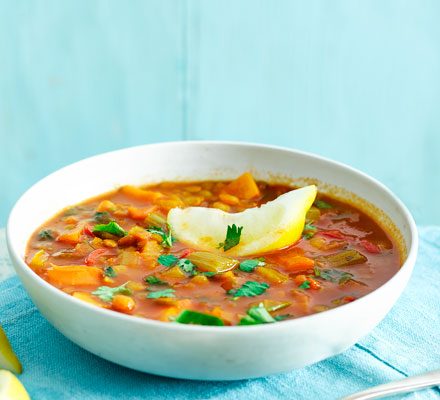
The Taste of Tradition: Exploring Traditional Moroccan Soup
When it comes to comfort food with a touch of exotic flavours, traditional Moroccan soup stands out as a culinary masterpiece. Known for its rich blend of spices, fresh ingredients, and hearty textures, Moroccan soup is more than just a dish—it’s a reflection of the country’s vibrant culture and history.
A Culinary Heritage
Moroccan cuisine is renowned for its diverse influences, combining Berber, Arab, and Mediterranean flavours into a harmonious symphony of taste. Traditional Moroccan soup, often referred to as “harira,” is a staple dish enjoyed by families across the country.
The Ingredients
At the heart of traditional Moroccan soup are key ingredients such as tomatoes, lentils, chickpeas, onions, and an array of aromatic spices including cumin, paprika, cinnamon, and ginger. Fresh herbs like coriander and parsley add a burst of freshness to the dish.
The Flavour Profile
What sets traditional Moroccan soup apart is its complex flavour profile. The combination of sweet and savoury elements creates a truly unique taste experience. The warmth of the spices blends seamlessly with the earthiness of the legumes to create a comforting bowl of goodness.
The Ritual
Preparing traditional Moroccan soup is not just about cooking—it’s a ritual that brings families together. Often enjoyed during special occasions or religious festivals like Ramadan, sharing a bowl of harira symbolises unity and togetherness.
Enjoying Moroccan Soup
Whether you’re savouring it in a bustling souk in Marrakech or recreating it in your own kitchen, traditional Moroccan soup offers a sensory journey like no other. The aroma of simmering spices fills the air as you take that first spoonful—a taste that lingers long after the last drop is gone.
In Conclusion
Traditional Moroccan soup is more than just food—it’s an expression of tradition, hospitality, and love. With each spoonful, you’re transported to the sun-soaked streets of Morocco where centuries-old recipes continue to nourish both body and soul.
Five Tips for Enhancing Traditional Moroccan Soup: A Taste of Harira
- Traditional Moroccan soup, such as Harira, is often enjoyed during Ramadan to break the fast.
- Harira typically includes ingredients like tomatoes, lentils, chickpeas, and lamb or beef.
- Spices like cumin, cinnamon, ginger, and paprika are commonly used to give Moroccan soup its rich flavour.
- Serving traditional Moroccan soup with dates and honey-dipped bread can complement its savoury taste.
- Garnishing with fresh herbs like cilantro or parsley adds a burst of freshness to the dish.
Traditional Moroccan soup, such as Harira, is often enjoyed during Ramadan to break the fast.
During the holy month of Ramadan, traditional Moroccan soup, such as Harira, takes on a special significance as it is commonly enjoyed to break the fast. This hearty and flavourful soup not only nourishes the body after a day of fasting but also symbolises unity and togetherness as families come together to share this traditional dish. The comforting aroma and rich flavours of Harira serve as a reminder of the cultural importance of food in Moroccan traditions, making it a cherished part of Ramadan celebrations across the country.
Harira typically includes ingredients like tomatoes, lentils, chickpeas, and lamb or beef.
Harira, the quintessential traditional Moroccan soup, is a hearty and flavourful dish that showcases a delightful blend of ingredients. Typically prepared with a base of tomatoes, lentils, and chickpeas, this soul-warming soup also features tender chunks of lamb or beef that add a rich depth of flavour. The combination of these ingredients creates a harmonious medley of textures and tastes that make Harira a beloved staple in Moroccan cuisine.
Spices like cumin, cinnamon, ginger, and paprika are commonly used to give Moroccan soup its rich flavour.
Spices play a crucial role in crafting the distinctive flavour profile of traditional Moroccan soup. The harmonious blend of cumin, cinnamon, ginger, and paprika not only adds depth and richness to the soup but also infuses it with the warm and aromatic essence that is synonymous with Moroccan cuisine. Each spice contributes its unique notes, creating a symphony of flavours that tantalise the taste buds and transport you to the vibrant streets of Morocco with every savoured spoonful.
Serving traditional Moroccan soup with dates and honey-dipped bread can complement its savoury taste.
Serving traditional Moroccan soup alongside dates and honey-dipped bread can elevate the dining experience by adding a touch of sweetness to complement its savoury richness. The combination of the warm, hearty soup with the natural sweetness of dates and the indulgent flavour of honey-coated bread creates a harmonious balance of flavours that tantalises the taste buds and reflects the intricate culinary traditions of Morocco.
Garnishing with fresh herbs like cilantro or parsley adds a burst of freshness to the dish.
Enhancing traditional Moroccan soup with a generous garnish of fresh herbs such as cilantro or parsley elevates the dish to a new level of freshness and vibrancy. The vibrant green leaves not only add a pop of colour but also infuse the soup with a refreshing aroma and a burst of flavour that perfectly complements the rich spices and hearty ingredients. Just a sprinkle of these fragrant herbs can transform a simple bowl of soup into a culinary delight that awakens the senses and enhances the overall dining experience.
Related Posts
Savour the Tradition: Authentic Moroccan Tagine Recipe
Authentic Moroccan Tagine Recipe The Art of Cooking: Authentic Moroccan…

Discover the Enchantment of Meknes through Sightseeing
Exploring the Beauty of Meknes Exploring the Beauty of Meknes…
Essaouira Morocco Festival: A Melodic Celebration of Culture and Art
Essaouira Morocco Festival: A Celebration of Music, Art, and Culture…