

Holiday to Morocco: A Guide to Planning Your Trip
A holiday to Morocco can bring together bustling cities, peaceful mountain landscapes, sweeping desert scenery and time by the coast. Just a short flight from the UK, the country offers plenty of variety, whether you are looking for a cultural city break, an outdoor adventure or a relaxing stay by the sea.
Where to go in Morocco
Morocco’s destinations each have their own character. Marrakech is famous for its historic medina, gardens and lively Jemaa el-Fnaa square. In Fez, narrow lanes lead past historic schools, workshops and traditional markets. Both cities are rewarding places to explore, but their busy streets can feel intense, so allow time to pause at a café or retreat to a courtyard garden.
For a different pace, head to the coast. Essaouira is known for its old town, harbour and breezy Atlantic setting, while Agadir offers a long beach and a more modern resort atmosphere. Further north, Tangier has a distinctive blend of Moroccan, Mediterranean and European influences.
Travellers interested in landscapes can visit the Atlas Mountains for walking and village stays, or journey south towards the Sahara. Desert excursions often include a long drive and an overnight stay, so check the itinerary and travel times before booking.
Things to see and do
- Explore a medina: Wander through the old quarters of cities such as Marrakech and Fez, where markets, historic buildings and everyday life fill the winding streets.
- Visit a riad: These traditional houses are often built around an interior courtyard and can provide a peaceful base in the heart of a city.
- Try Moroccan food: Look out for dishes such as tagine, couscous, harira soup and pastilla. Mint tea is commonly served as a gesture of hospitality.
- Discover local crafts: Markets and workshops sell ceramics, leather goods, textiles and metalwork. Take time to compare quality and prices, and ask permission before photographing people.
- Enjoy the outdoors: Choose from coastal walks, mountain hikes and guided excursions into desert landscapes, depending on the season and your level of fitness.
When is the best time to visit?
Spring and autumn are popular times to visit, as temperatures are often more comfortable for sightseeing and outdoor activities. Summers can be very hot, particularly inland and in desert areas, while coastal destinations may be cooler thanks to Atlantic breezes. Winters are generally mild in many cities, although mountain areas can be cold and may receive snow.
Conditions vary across the country, so check the forecast for each destination on your itinerary. If travelling during Ramadan, opening hours and the rhythm of daily life may change. Visitors are welcome, but it is considerate to be mindful when eating or drinking in public during daylight hours in some settings.
Getting around
Trains connect several major cities, including Casablanca, Rabat, Tangier and Fez. Buses and shared taxis can serve other routes, while private transfers may be useful for remote areas or multi-stop trips. In city centres, walking is often the easiest way to explore, although medinas can be confusing at first. A map downloaded to your phone and the name of your accommodation written down can help.
For longer journeys, allow more time than a map estimate might suggest. Mountain roads and desert routes can make travel slow, and a guided tour may be the simplest option for reaching some destinations.
Practical tips for a smooth holiday
- Check travel requirements: Review the latest entry rules, passport requirements and travel advice before departure.
- Dress comfortably and respectfully: Lightweight clothing is useful in warm weather. Covering shoulders and knees can be a considerate choice, especially when visiting religious or rural settings.
- Carry some cash: Cards are accepted in many hotels and larger businesses, but cash can be useful in markets, smaller cafés and taxis.
- Agree prices in advance: Confirm taxi fares or whether a meter will be used before setting off. For market purchases, polite bargaining is common.
- Stay hydrated: Carry water, particularly during hot weather or long excursions, and take breaks during the warmest part of the day.
- Choose tours carefully: Check what is included, how long the journey takes and whether the operator follows safe and responsible practices.
How long to spend in Morocco
A long weekend can suit a single-city break, such as Marrakech or Fez. With a week, it is possible to combine a city with the coast or add a guided excursion. Two weeks allow more time to travel between regions, though it is still worth resisting the temptation to pack too many stops into the itinerary. Slower travel gives you more room to enjoy the differences between Morocco’s cities, landscapes and communities.
Plan a holiday to remember
Morocco rewards curiosity and a flexible approach. Spend time in its historic cities, sample regional food and leave space in the itinerary for unexpected discoveries. With sensible planning and respect for local customs, a holiday to Morocco can offer a memorable mix of culture, scenery and warm hospitality.
Essential Tips for a Memorable Holiday in Morocco
- Check visa requirements before you travel.
- Carry some Moroccan dirhams for small purchases.
- Dress modestly when visiting religious sites.
- Agree taxi fares before setting off.
- Drink bottled or filtered water.
- Bargain politely in souks.
- Use sun cream and drink plenty of water.
- Ask permission before photographing people.
Check visa requirements before you travel.
Before travelling to Morocco, check the latest visa and entry requirements for your nationality and the length and purpose of your stay. Rules can change, so consult an official Moroccan government or embassy source well before departure, and make sure your passport meets the required validity conditions. If you need a visa, allow enough time to apply and carry any relevant travel documents with you.
Carry some Moroccan dirhams for small purchases.
Carry some Moroccan dirhams for small purchases during your holiday. Cash is useful for buying snacks, paying for taxis and shopping in local markets, where card payments may not be available. It’s best to keep smaller notes and coins handy, and exchange money through a reputable provider.
Dress modestly when visiting religious sites.
When visiting mosques, shrines and other religious sites in Morocco, dress modestly as a sign of respect. Choose clothing that covers your shoulders and knees, and consider carrying a light scarf to cover your hair if required. Some sites may not be open to non-Muslim visitors, so check local guidance before you go and follow any instructions at the entrance.
Agree taxi fares before setting off.
Agree the taxi fare before setting off, especially if the vehicle does not have a meter or the driver has not switched it on. Confirm the price and currency clearly to avoid misunderstandings when you arrive. In cities where metered taxis are available, ask for the meter to be used and check that it is running.
Drink bottled or filtered water.
To help avoid an upset stomach during your holiday to Morocco, choose sealed bottled water or water that has been properly filtered, and check that the bottle cap is intact before opening it. Use safe water for brushing your teeth, too, and consider avoiding ice unless you know it has been made with purified water. Carry a reusable bottle with a built-in filter if you want a convenient way to reduce single-use plastic.
Bargain politely in souks.
When shopping in Morocco’s souks, bargaining is often part of the experience, so feel free to make a polite counter-offer if a price seems high. Keep the exchange friendly, smile and be prepared to walk away if you cannot agree. If the seller accepts your offer, follow through with the purchase; a respectful approach makes the experience more enjoyable for everyone.
Use sun cream and drink plenty of water.
Morocco’s sunshine can be strong, especially during the warmer months, so apply high-factor sun cream regularly and reapply it after swimming or sweating. Wear a hat and seek shade during the hottest part of the day, and remember to drink plenty of water to stay hydrated—particularly when sightseeing or spending time outdoors.
Ask permission before photographing people.
When taking photographs in Morocco, ask permission before capturing someone, particularly in markets, villages or other public places where people may be going about their daily lives. A friendly gesture or a few words can help you avoid causing offence, and some people may ask for payment or prefer not to be photographed. Respect their wishes and enjoy taking pictures of the country’s lively streets and beautiful scenery instead.
Related Posts
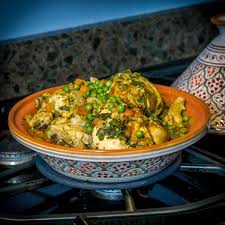
Savour the Essence of Morocco: Exploring the Timeless Delight of Tagine, a Traditional Moroccan Dish
The Exquisite Flavours of Tagine: A Moroccan Culinary Delight The…
Embracing the Tranquillity of the Seaside: Exploring the Beach Experience
The Beauty and Serenity of Beaches The Beauty and Serenity…

Embark on a Culinary Adventure with Fun Cooking Classes
The Joy of Fun Cooking Classes: A Delicious Adventure Embark…