
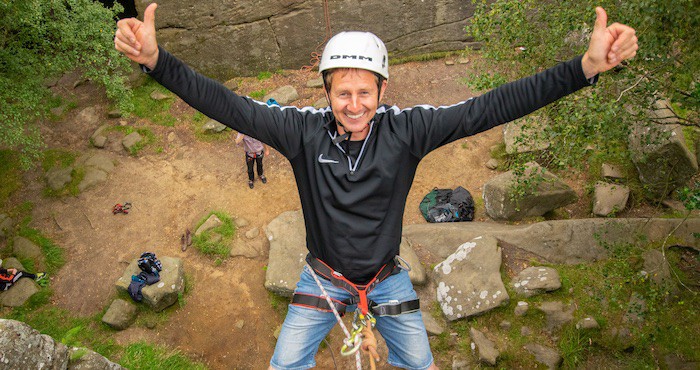
Outdoor Activity Centres: Adventure, Learning and Time in Nature
Outdoor activity centres offer a chance to swap screens and familiar routines for fresh air, new challenges and memorable experiences. From school trips and family days out to team-building breaks and residential courses, these centres bring people together through activities in the natural environment.
What is an outdoor activity centre?
An outdoor activity centre is a venue where visitors can take part in organised recreation, adventure or learning activities outdoors. Centres may be based in woodland, countryside, near a river or lake, or along the coast. Some welcome visitors for a few hours, while others provide accommodation and programmes lasting several days.
Activities vary according to the location and facilities. They may include climbing, archery, orienteering, canoeing, kayaking, mountain biking, bushcraft and team challenges. Some centres also offer nature walks, wildlife activities and outdoor skills courses.
Benefits for all ages
Outdoor activities can help people build confidence, improve fitness and develop practical skills. Taking on a challenge—whether it is reaching the top of a climbing wall or finding a route through the woods—can encourage resilience and problem-solving.
Group activities also create opportunities to practise communication and cooperation. Participants learn to listen, share responsibilities and support one another. For children and young people, a visit can be an engaging way to learn beyond the classroom. Adults may enjoy the chance to reconnect with nature, try something unfamiliar or spend quality time with friends and family.
Choosing the right centre
The best centre depends on who is taking part and what they hope to get from the experience. Before booking, consider:
- Age and experience: Check that activities are suitable for the group’s ages, abilities and confidence levels.
- Location: Consider travel time, public transport links and the surrounding environment.
- Programme: Look at the activities on offer and whether sessions can be adapted to your group’s goals.
- Facilities: Ask about equipment, changing areas, toilets, food and accommodation if needed.
- Accessibility: Contact the centre to discuss access requirements and any adjustments that could help everyone take part.
- Safety arrangements: Find out how activities are supervised, what qualifications instructors hold and what happens in poor weather.
Safety and preparation
Good preparation can make an outdoor visit more comfortable and enjoyable. Follow the centre’s guidance on clothing and equipment, and dress for the weather. Sturdy footwear, waterproof layers, sun protection and a refillable water bottle are often useful, although requirements differ by activity.
Before the visit, share relevant information with the centre, such as medical needs, allergies or mobility considerations. Listen carefully to instructors, follow safety briefings and use equipment as directed. Activities should be appropriately supervised and matched to participants’ abilities.
Making the most of your visit
Outdoor activity centres are not only about high-adrenaline pursuits. A slower-paced day can be just as rewarding, with opportunities to explore local wildlife, learn navigation skills or enjoy a guided walk. Leaving time between activities can help participants rest, reflect and appreciate their surroundings.
Whether the aim is to build teamwork, learn a new skill or simply enjoy a day outside, an outdoor activity centre can offer a refreshing change of pace. With the right venue and a little planning, it can turn time in nature into an experience people remember long after they return home.
Exploring the Benefits of Outdoor Activity Centres: Fitness, Confidence, Teamwork, Fun, and Nature Connection
- Encourage fitness and active lifestyles
- Build confidence through new challenges
- Develop teamwork and communication
- Offer fun for different ages and abilities
- Help people connect with nature
Challenges of Outdoor Activity Centres: Weather, Physical Demands, Costs, and Accessibility
- Weather can disrupt activities.
- Some activities are physically demanding.
- Equipment and booking fees can be costly.
- Travel to remote centres may be inconvenient.
Encourage fitness and active lifestyles
Outdoor activity centres make it easier and more enjoyable to stay active. From climbing and kayaking to orienteering and mountain biking, participants can exercise while exploring new surroundings and trying activities they may not encounter in everyday life. Taking part at a pace suited to their abilities can help people build strength, stamina and coordination, while encouraging them to make movement and time outdoors a regular part of a healthy lifestyle.
Build confidence through new challenges
Outdoor activity centres help people build confidence by giving them the chance to try challenges they may not have encountered before. Whether climbing a wall, navigating a woodland trail or learning to paddle a canoe, participants can take things at their own pace, develop new skills and celebrate their progress. With encouragement from instructors and support from others, even a small achievement can help people feel more capable and willing to take on new experiences.
Develop teamwork and communication
Outdoor activity centres provide a natural setting for people to practise teamwork and communication. Whether they are navigating a course, building a shelter or taking on a group challenge, participants need to share ideas, listen to one another and work towards a common goal. These experiences encourage cooperation, problem-solving and trust, while helping people recognise the value of each person’s contribution.
Offer fun for different ages and abilities
Outdoor activity centres can offer something for everyone, with activities adapted to suit different ages, interests and abilities. Younger visitors might enjoy nature trails or simple team games, while older children and adults can try challenges such as climbing, kayaking or orienteering. Many centres also provide different levels of difficulty and support, helping beginners feel comfortable while giving more experienced participants room to develop. This variety makes it easier for families, schools and mixed-ability groups to enjoy time outdoors together.
Help people connect with nature
Outdoor activity centres give people the chance to experience nature first-hand, whether they are walking through woodland, paddling on a lake or spotting wildlife along the coast. Time outdoors can encourage curiosity about the natural world and help visitors notice the changing seasons, local plants and animals, and the importance of caring for the environment. By combining fresh air with enjoyable activities, centres can help people feel more connected to the places around them.
Weather can disrupt activities.
One drawback of outdoor activity centres is that activities can be disrupted by the weather. Heavy rain, strong winds or extreme temperatures may make some sessions uncomfortable or unsafe, leading to changes, cancellations or a move indoors. This can be disappointing, particularly when a visit has been carefully planned, so it is worth checking the centre’s bad-weather policy and packing suitable clothing.
Some activities are physically demanding.
Some activities at outdoor activity centres can be physically demanding, requiring stamina, strength or a good level of mobility. This may make them tiring or unsuitable for some participants, particularly young children, older people or those with health conditions. Checking the activity requirements in advance and asking about gentler alternatives can help ensure everyone takes part comfortably and safely.
Equipment and booking fees can be costly.
One drawback of outdoor activity centres is the cost. Booking fees can add up, particularly for groups or residential visits, and some activities require specialist equipment that may be included only at an extra charge. Transport, meals and suitable clothing can increase the overall expense, too, so it is worth checking what the price covers and whether equipment hire or group discounts are available before booking.
Travel to remote centres may be inconvenient.
One drawback of outdoor activity centres is that many are located in remote areas, where public transport may be limited and journey times can be long. Visitors may need to arrange a car, minibus or other transport, which can add to the cost and make planning more difficult, particularly for schools, large groups and people with limited mobility.
Related Posts

Navigating Tipping Etiquette for Tour Guides in Morocco
Tipping Tour Guides in Morocco The Etiquette of Tipping Tour…

Discover the Best EU City Breaks: Unveiling Europe’s Urban Charms
Exploring Europe: The Charm of City Breaks Exploring Europe: The…

The Enigmatic Charm of Moroccan’s Hospitality: A Glimpse into Morocco’s Heart
The Enigmatic Charm of Moroccans The Enigmatic Charm of Moroccans…