
Exploring the Delights of Local Moroccan Food
Morocco is a country renowned for its vibrant culture and diverse cuisine. From the bustling markets of Marrakech to the coastal towns of Essaouira, the local food scene in Morocco offers a tantalising array of flavours and dishes that reflect the country’s rich history and traditions.
The Flavours of Morocco
One of the hallmarks of Moroccan cuisine is its bold and aromatic flavours. Influenced by Berber, Arab, and Mediterranean culinary traditions, Moroccan dishes are a delightful fusion of sweet, savoury, and spicy elements.
Tagine: A Culinary Icon
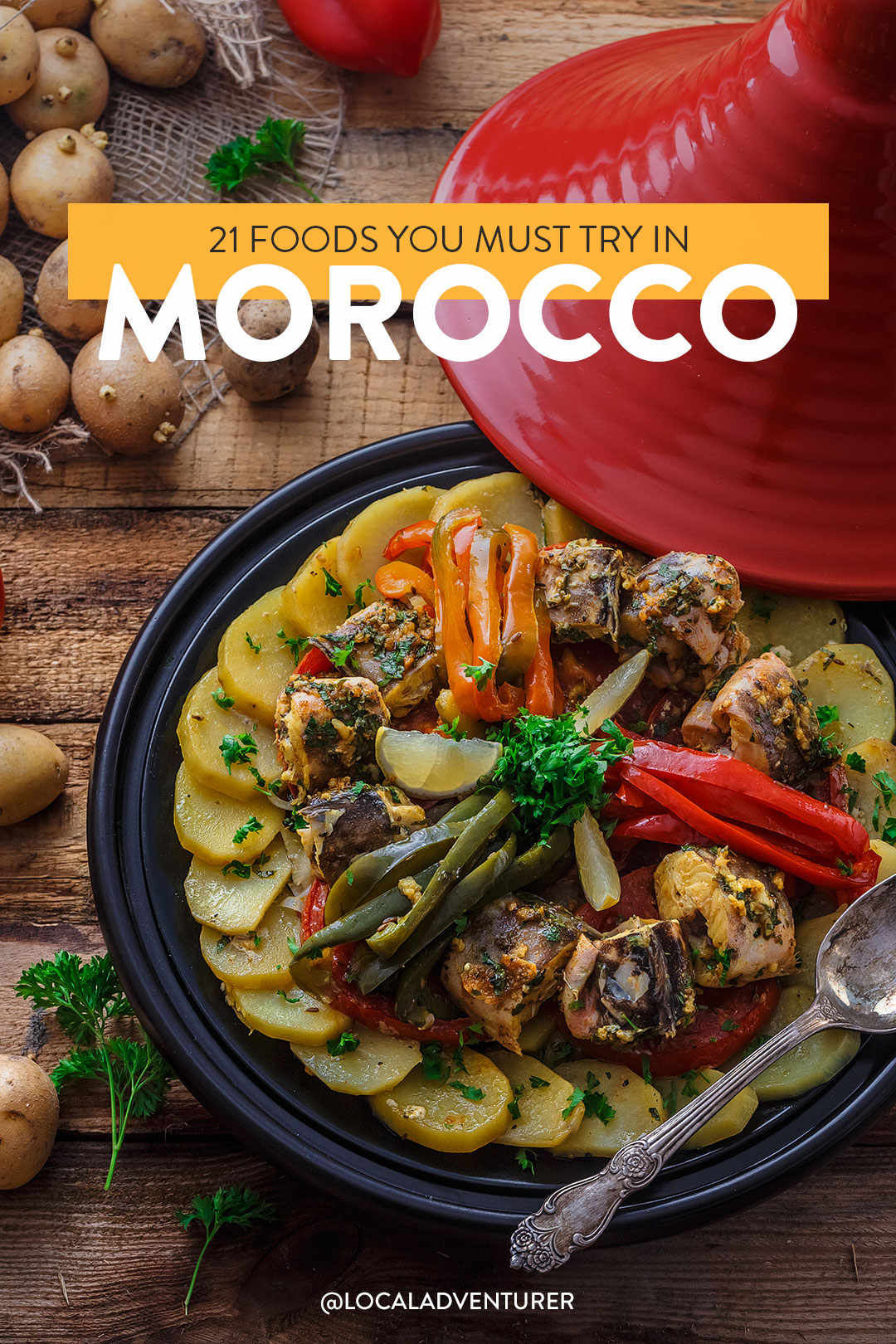
No exploration of Moroccan food is complete without mentioning tagine. This slow-cooked stew takes its name from the conical earthenware pot in which it is cooked. Tagines can feature a variety of ingredients such as tender meats, dried fruits, nuts, and an array of fragrant spices like cumin, cinnamon, and saffron.
Couscous: The National Dish
Couscous holds a special place in Moroccan cuisine as the national dish. This fluffy semolina pasta is often paired with a hearty vegetable or meat stew known as “tfaya.” The dish is typically steamed to perfection and served with a medley of colourful vegetables.
Sweet Treats and Mint Tea
No meal in Morocco is complete without indulging in some sweet treats. From sticky-sweet pastries like baklava to refreshing fruit salads drizzled with orange blossom water, Moroccan desserts are a feast for the senses. And to wash it all down, there’s nothing quite like a steaming glass of mint tea—a symbol of hospitality in Moroccan culture.
Exploring Local Markets
The heart of Moroccan food culture lies in its bustling markets or “souks.” Here, you can find an array of fresh produce, spices, olives, nuts, and more—all essential ingredients in traditional Moroccan cooking. The sights and smells of these markets offer a sensory experience like no other.
Joining a Cooking Class
For those eager to delve deeper into Moroccan cuisine, participating in a cooking class can be an enriching experience. Learn how to prepare authentic tagines, bake traditional bread like khobz or even try your hand at making delicate pastries under the guidance of skilled local chefs.
In Conclusion
Local Moroccan food is not just about sustenance—it’s a celebration of community, tradition, and hospitality. So next time you find yourself in Morocco or at your local market searching for exotic flavours, be sure to sample some local delights that will transport you to the vibrant streets and kitchens of this captivating country.
Exploring the Rich Tapestry of Moroccan Cuisine: A Celebration of Flavour, Tradition, and Community
- Rich and diverse flavours that tantalise the taste buds
- Reflects the country’s cultural heritage and culinary traditions
- Fresh ingredients sourced from vibrant local markets
- Healthy cooking methods like slow simmering and steaming
- Offers a unique dining experience with communal sharing of dishes
Exploring the Challenges of Traditional Moroccan Cuisine: 7 Considerations for International Diners
- Some traditional Moroccan dishes can be quite heavy and rich, which may not suit all palates.
- Certain ingredients used in Moroccan cuisine, such as preserved lemons or argan oil, may be difficult to find outside of Morocco.
- Spices commonly used in Moroccan cooking, like cumin and cinnamon, might not appeal to those who prefer milder flavours.
- Moroccan food preparation can be time-consuming due to the slow-cooking methods required for dishes like tagine.
- Authentic Moroccan restaurants outside of Morocco may not always capture the true essence and complexity of local dishes.
- For individuals with dietary restrictions or allergies, navigating the diverse ingredients in Moroccan cuisine can be challenging.
- The strong emphasis on communal dining in Moroccan culture may not align with those who prefer individual portions or dining habits.
Rich and diverse flavours that tantalise the taste buds
The richness and diversity of flavours found in local Moroccan food are a true culinary delight that tantalises the taste buds. From the aromatic spices like cumin and saffron to the sweet notes of dried fruits and the savoury goodness of slow-cooked meats, each dish offers a unique sensory experience that reflects the country’s cultural tapestry. The harmonious blend of sweet, savoury, and spicy elements creates a symphony of tastes that leave a lasting impression on anyone fortunate enough to indulge in these exquisite flavours.
Reflects the country’s cultural heritage and culinary traditions
Local Moroccan food serves as a culinary time capsule, encapsulating the country’s rich cultural heritage and centuries-old culinary traditions. Each dish tells a story of Morocco’s diverse influences, from the indigenous Berber tribes to the Arab conquerors and European settlers. Through its vibrant flavours, aromatic spices, and unique cooking techniques, Moroccan cuisine offers a delicious insight into the country’s past and present, making every meal a journey through history and tradition.
Fresh ingredients sourced from vibrant local markets
One of the standout features of local Moroccan food is the emphasis on using fresh ingredients sourced from vibrant local markets. The bustling souks of Morocco offer a treasure trove of colourful fruits, vegetables, spices, and herbs that infuse dishes with unparalleled freshness and flavour. By sourcing ingredients locally, Moroccan cuisine not only celebrates the richness of its land but also ensures that each dish is a true reflection of the season and region it originates from. This commitment to quality and authenticity elevates the dining experience, allowing diners to savour the essence of Morocco with every bite.
Healthy cooking methods like slow simmering and steaming
One notable advantage of local Moroccan food is its emphasis on healthy cooking methods such as slow simmering and steaming. These techniques help preserve the nutritional value of ingredients while enhancing their natural flavours. Slow simmering allows the ingredients to tenderize slowly, resulting in rich and aromatic stews packed with vitamins and minerals. Steaming, on the other hand, retains the freshness and textures of vegetables and meats, offering a light yet satisfying dining experience that is both delicious and nutritious.
Offers a unique dining experience with communal sharing of dishes
Indulging in local Moroccan food offers a unique dining experience characterised by the communal sharing of dishes. This tradition fosters a sense of togetherness and conviviality, where friends and family gather around a table laden with an array of aromatic tagines, couscous, and mezze-style appetisers. The act of sharing food not only showcases the generosity of Moroccan hospitality but also allows diners to sample a variety of flavours and textures, creating a truly immersive culinary journey that transcends mere sustenance.
Some traditional Moroccan dishes can be quite heavy and rich, which may not suit all palates.
Traditional Moroccan cuisine is known for its bold and indulgent flavours, but some dishes can be on the heavier side, making them unsuitable for all palates. The richness of certain ingredients and the use of generous amounts of spices and oils may not appeal to those who prefer lighter or milder fare. While these hearty dishes are a cornerstone of Moroccan culinary tradition, individuals with more delicate tastes may find them overwhelming. It’s important to explore the diverse range of Moroccan food options to find dishes that best suit your personal preferences and dietary needs.
Certain ingredients used in Moroccan cuisine, such as preserved lemons or argan oil, may be difficult to find outside of Morocco.
Certain ingredients used in Moroccan cuisine, such as preserved lemons or argan oil, may pose a challenge for enthusiasts outside of Morocco due to their limited availability in international markets. Preserved lemons, a staple in many Moroccan dishes, impart a unique tangy flavour that is hard to replicate with substitutes. Similarly, argan oil, known for its nutty taste and health benefits, is primarily produced in Morocco’s Argan forest region, making it a prized ingredient not easily sourced elsewhere. The scarcity of these key components can sometimes hinder the authenticity of recreating traditional Moroccan recipes outside the country.
Spices commonly used in Moroccan cooking, like cumin and cinnamon, might not appeal to those who prefer milder flavours.
For those with a preference for milder flavours, the abundance of bold spices such as cumin and cinnamon commonly used in Moroccan cooking may present a challenge. The intense and aromatic nature of these spices can overpower the palate of individuals accustomed to more subtle tastes. However, exploring the diverse range of Moroccan cuisine beyond these potent seasonings can reveal hidden gems that offer a balance of flavours catering to varying preferences.
Moroccan food preparation can be time-consuming due to the slow-cooking methods required for dishes like tagine.
The preparation of Moroccan food can be quite time-consuming, primarily due to the slow-cooking methods essential for dishes such as tagine. This traditional cooking technique involves simmering ingredients over low heat for an extended period to allow the flavours to meld and intensify. While the result is a rich and aromatic dish bursting with complex flavours, the process demands patience and careful attention to detail. However, many enthusiasts of Moroccan cuisine believe that the time and effort invested in preparing these slow-cooked dishes are well worth the exquisite taste experience they deliver.
Authentic Moroccan restaurants outside of Morocco may not always capture the true essence and complexity of local dishes.
When dining at authentic Moroccan restaurants outside of Morocco, one may encounter a conundrum where the true essence and complexity of local dishes may not be fully captured. Despite their best efforts to recreate traditional recipes and flavours, factors such as ingredient availability, cooking techniques, and cultural nuances can sometimes lead to a diluted experience. The rich tapestry of Moroccan cuisine, with its intricate blend of spices, fresh produce, and culinary artistry, is best appreciated in its native environment where every dish tells a story steeped in history and tradition.
For individuals with dietary restrictions or allergies, navigating the diverse ingredients in Moroccan cuisine can be challenging.
For individuals with dietary restrictions or allergies, navigating the diverse ingredients in Moroccan cuisine can be challenging. The rich and varied flavours of Moroccan dishes often incorporate a wide range of spices, nuts, and dairy products that may pose risks for those with specific dietary needs. From nutty tagines to creamy desserts, the hidden ingredients in traditional Moroccan recipes can make it difficult for individuals to enjoy the local cuisine without careful consideration and communication with food providers.
The strong emphasis on communal dining in Moroccan culture may not align with those who prefer individual portions or dining habits.
In Moroccan culture, the strong emphasis on communal dining may pose a challenge for individuals who prefer personalised portions or dining habits. The tradition of sharing dishes from a central tagine or platter encourages a sense of togetherness and conviviality, which may not always align with the preferences of those who value individual servings or specific dietary choices. This communal style of eating, while integral to Moroccan culinary customs, could potentially be a drawback for those seeking a more individualised dining experience.
Related Posts

Exploring the Enchantment of Morocco Tourism
The Allure of Moroccan Tourism The Allure of Moroccan Tourism…
Embarking on a Magical Moroccan Adventure
Embark on a Moroccan Adventure Embark on a Moroccan Adventure…

Unlock Your Culinary Potential: Embark on a Transformative Cooking Class Experience
The Art of Cooking: Embark on a Culinary Journey with…