
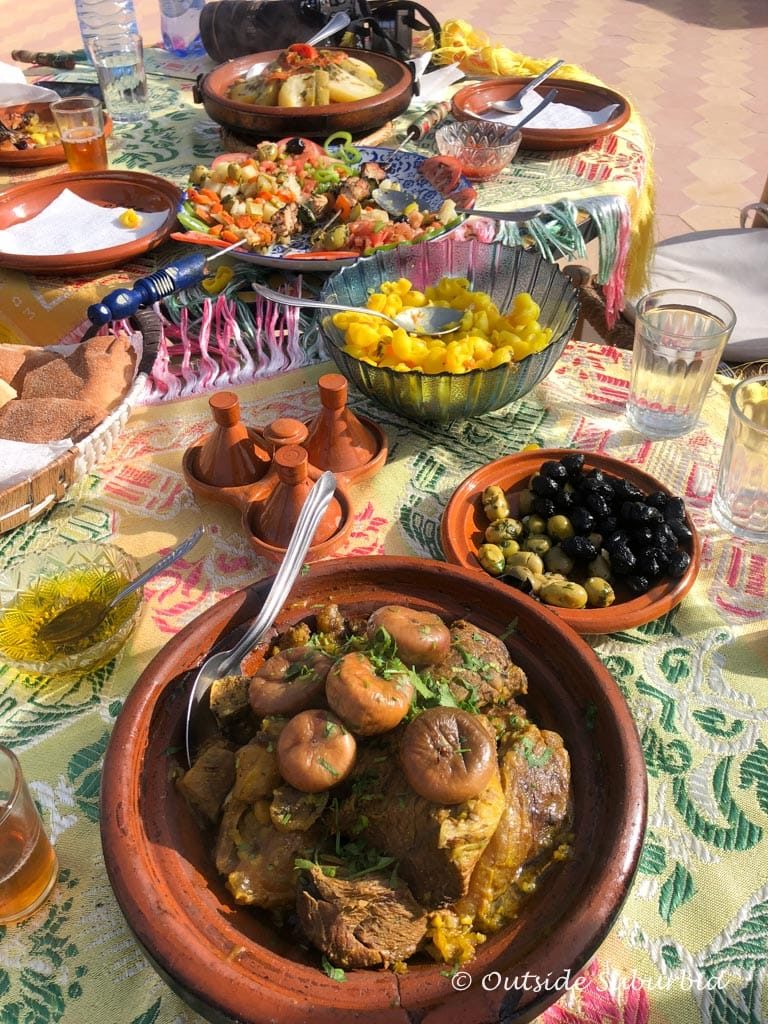
Moroccan Cuisines: A Rich Mix of Flavours and Traditions
Moroccan cuisine is renowned for its fragrant spices, slow-cooked dishes and generous hospitality. Shaped by Amazigh (Berber), Arab, Andalusian, Saharan and Jewish traditions, it varies from region to region. Coastal cooking makes the most of fish and seafood, while inland kitchens are known for hearty stews, grains and seasonal produce.
A cuisine of contrasts
Moroccan food often balances sweet, savoury, sour and aromatic flavours. Spices such as cumin, ginger, paprika, turmeric, cinnamon and saffron bring warmth and depth, but dishes are not necessarily hot. Fresh herbs, preserved lemons, olives, dried fruit and nuts add further layers of flavour.
Ingredients reflect the country’s varied landscapes. Olives and olive oil, tomatoes, aubergines, courgettes, pulses and citrus fruit appear in many everyday dishes. Lamb, chicken and beef are popular meats, while fish is especially common along the Atlantic and Mediterranean coasts.
Signature dishes
Tagine
A tagine is both a conical-lidded cooking pot and the dish prepared in it. The pot’s shape helps retain moisture as ingredients cook slowly, producing tender meat or vegetables and a rich sauce. Well-known combinations include chicken with preserved lemon and olives, and lamb with prunes or apricots. Vegetable tagines are also widely enjoyed.
Couscous
Couscous consists of small steamed grains of durum wheat semolina, traditionally served with vegetables and a broth, sometimes with meat. Recipes differ across Morocco, and couscous is often shared at family meals, including on Fridays in many households. It is a dish with strong regional and family traditions rather than one fixed recipe.
Pastilla
Pastilla, also called bastilla, is a crisp, layered pie traditionally made with pigeon or chicken. Its filling is delicately seasoned, and the pastry is often dusted with icing sugar and cinnamon. The combination of savoury filling and sweet, fragrant topping makes it one of Morocco’s most distinctive celebratory dishes.
Harira
Harira is a nourishing soup commonly made with tomatoes, lentils, chickpeas, herbs and spices. Some versions include meat. It is particularly associated with Ramadan, when it is often served to break the fast, alongside dates, bread or chebakia, a honey-coated sesame pastry.
Salads and small plates
Moroccan meals may begin with an assortment of cooked salads and dips. Zaalouk, made with aubergine and tomatoes, is a familiar example; other dishes may feature carrots, peppers or beans, seasoned with herbs, lemon and spices. These are usually served with bread for scooping.
Bread, pastries and tea
Bread is an important part of everyday meals. Khobz, a round loaf, is commonly used to accompany food and scoop up sauces. At breakfast or snack time, people may enjoy msemen, a flaky square flatbread, or baghrir, a soft, spongy pancake known for its many small holes.
Moroccan mint tea—green tea steeped with fresh mint and usually sweetened—is a well-known symbol of welcome. It is often poured from a height into small glasses, helping to mix and aerate the tea. Sweet pastries made with almonds, honey or sesame are also popular, particularly on special occasions.
Hospitality at the table
Sharing food is central to Moroccan hospitality. A meal may be served communally, with people eating from a shared dish using bread or their right hand, though customs differ between families and settings. Visitors are generally welcomed warmly, and accepting tea or a small serving of food is often part of the experience.
From a bubbling tagine to a bowl of couscous or a glass of mint tea, Moroccan cuisines tell a story of regional variety, history and hospitality. Their appeal lies not only in memorable flavours, but also in the care and conviviality with which food is prepared and shared.
Mastering Moroccan Cuisine: 8 Essential Tips for Authentic Flavour
- Toast spices gently to deepen their flavour.
- Cook tagines slowly for tender, rich results.
- Steam couscous until light and fluffy.
- Add preserved lemons for a bright, salty kick.
- Use harissa sparingly, then adjust to taste.
- Serve mint tea sweet and piping hot.
- Use khobz bread to scoop up sauces.
- Try apricots or dates in savoury dishes.
Toast spices gently to deepen their flavour.
Toast whole spices gently in a dry pan over a low to medium heat for a short time, stirring often, until they smell fragrant. This simple step deepens their flavour and brings extra warmth to Moroccan dishes such as tagines and soups. Take care not to let them burn, as this can make them taste bitter; grind them after toasting, if needed.
Cook tagines slowly for tender, rich results.
Cook tagines slowly over a low heat to give the ingredients time to soften and the flavours to develop. A tightly fitting lid helps retain moisture, leaving meat tender and vegetables infused with the fragrant spices and sauce. Avoid rushing the cooking: gentle heat is the secret to a rich, satisfying tagine.
Steam couscous until light and fluffy.
For light, fluffy couscous, let the grains steam gently rather than boil directly in water. Fluff them with a fork between steaming stages to separate the grains, and avoid pressing them together. Once tender, finish with a little butter or olive oil and fluff again before serving.
Add preserved lemons for a bright, salty kick.
Preserved lemons add a bright, salty tang that lifts the rich, warming flavours of Moroccan cooking. Rinse them before use if they taste particularly salty, then finely chop the soft peel and stir it into tagines, salads or sauces near the end of cooking. The peel is usually the star; use the flesh sparingly, as it can be quite intense.
Use harissa sparingly, then adjust to taste.
Harissa can add a lively chilli heat to Moroccan dishes, but its strength varies between brands and recipes. Start with a small amount, stir it in well and taste before adding more. This lets the chilli complement the other flavours without overpowering fragrant spices, herbs or preserved lemon.
Serve mint tea sweet and piping hot.
Serve Moroccan mint tea sweet and piping hot for a comforting taste of local hospitality. Fresh mint gives the green tea its bright, refreshing aroma, while sugar softens its slight bitterness. Pour it into small glasses and enjoy it alongside pastries, or offer it to guests as a warm welcome.
Use khobz bread to scoop up sauces.
Khobz, Morocco’s traditional round bread, is perfect for scooping up the rich sauces in tagines and other dishes. Tear off a small piece and use it to gather a little sauce and vegetables or meat—an easy, delicious way to enjoy every last bite.
Try apricots or dates in savoury dishes.
For a taste of a classic Moroccan flavour combination, try adding apricots or dates to a savoury dish. Their natural sweetness pairs beautifully with warming spices such as cinnamon, ginger and cumin, and balances the richness of slow-cooked lamb, chicken or vegetables. Add dried fruit to a tagine as it simmers so it softens and enriches the sauce, or stir it through couscous just before serving.
Related Posts

Explore Morocco’s Best Tourist Attractions: Unveiling the Treasures of the Kingdom
Discover the Best Tourist Attractions in Morocco The Best Tourist…

Embark on an Unforgettable Adventure with Desert Safaris
Exploring the Wonders of Desert Safaris Exploring the Wonders of…

Exploring the Rich Tapestry of Festivals in Morocco
Festivals in Morocco The Vibrant Festivals of Morocco Morocco is…