
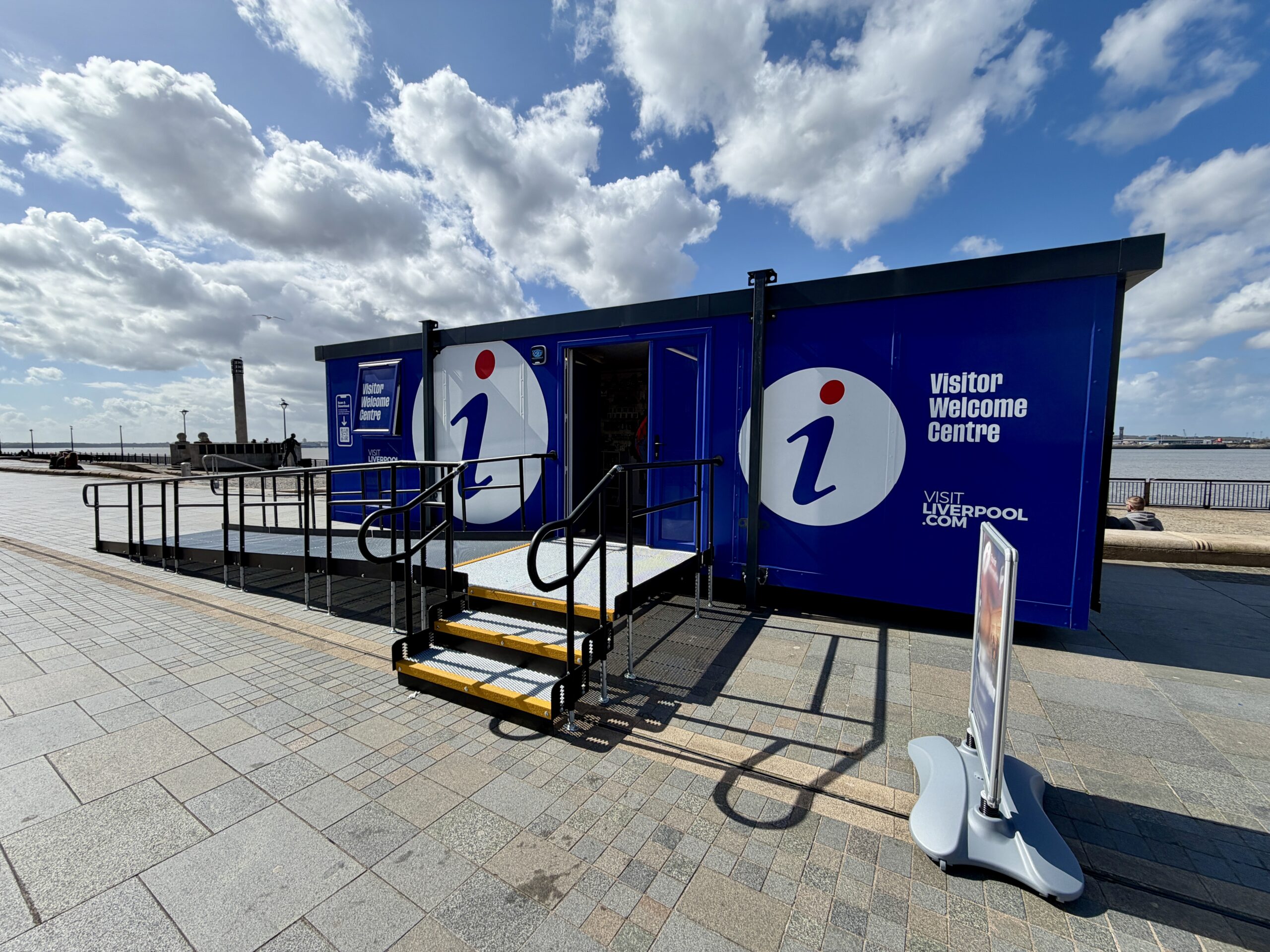
Tourist Information for Morocco
Morocco offers a remarkable mix of historic cities, mountain landscapes, Atlantic beaches and desert scenery. A little planning can make it easier to get around and help you enjoy your visit with confidence. Here is some practical tourist information to consider before and during your trip.
Before you travel
Check the latest entry requirements with the Moroccan authorities or your nearest Moroccan embassy before booking. Passport validity rules and visa requirements depend on your nationality, and requirements can change. Keep copies of important documents, including your passport, travel insurance details and accommodation bookings, stored separately from the originals.
Travel insurance is strongly recommended. Check that your policy covers the activities you plan to do, particularly hiking, adventure sports or trips into remote areas.
Getting around
Morocco has several ways to travel between destinations. Trains connect major cities including Casablanca, Rabat, Fez, Tangier and Marrakech. Long-distance buses serve many towns and can be useful where there is no convenient rail connection. In cities, taxis are common; agree how the fare will be calculated before setting off, or confirm that the meter is being used.
For longer journeys, allow extra time: road conditions, traffic and weather can affect travel times. If you hire a car, check the rental agreement carefully and make sure you understand local driving rules. In old town centres, known as medinas, narrow lanes are often best explored on foot.
Money and shopping
The local currency is the Moroccan dirham. Cash is useful for small purchases, markets, taxis and cafés, while larger hotels and some shops may accept cards. ATMs are available in cities and many towns, but it is sensible to carry a modest amount of cash when travelling outside major centres.
Bargaining is customary in many souks, but it is not expected everywhere. Keep the exchange friendly, decide what you are comfortable paying and feel free to walk away politely. Check prices before ordering food or services where they are not displayed.
Language and local customs
Moroccan Arabic and Amazigh languages are widely spoken. French is also commonly used, while English is understood in many visitor-facing businesses. Learning a few greetings can be appreciated: “salaam alaikum” is a common greeting, and “shukran” means “thank you”.
Morocco is culturally diverse, with Islamic traditions shaping everyday life in many places. Modest clothing is generally a considerate choice, particularly in rural areas and religious settings. Ask permission before photographing people, and follow local guidance around religious sites. During Ramadan, opening hours and daily routines may differ; visitors should be considerate when eating or drinking in public during daylight hours.
Staying safe and well
As in any destination, take sensible precautions. Keep valuables secure, be aware of your surroundings in busy areas and use reputable transport and tour operators. If someone offers unsolicited help or directions, you can politely decline if you do not need assistance. For organised excursions, confirm what is included in the price before you set off.
Drink bottled or properly treated water if you are unsure about the local supply, and take care with food hygiene, particularly in hot weather. Pack any personal medication you need and check whether it is permitted for travel. The sun can be intense, so bring sun protection and drink plenty of fluids.
When to visit
Spring and autumn are often comfortable times to explore cities and travel around the country. Summers can be very hot inland and in desert regions, while coastal areas are often milder. Mountain weather can change quickly, especially at higher elevations. Check local forecasts and pack for the places and activities on your itinerary.
Useful planning tips
- Carry your accommodation address, as well as an offline map for areas where mobile coverage may be limited.
- Confirm transport times and opening hours before setting out, especially on public holidays.
- Ask your accommodation or a reliable local source for current advice about neighbourhoods and transport.
- Keep emergency contacts and your travel insurer’s details accessible.
- Check current official travel advice before departure, as local conditions can change.
With thoughtful preparation and respect for local customs, Morocco is a rewarding destination to explore. From the lively medinas to quieter coastal towns and mountain villages, each region offers its own character and experiences.
Top 5 Tips for Navigating Tourist Information in the UK
- Visit the local tourist information centre for maps and advice.
- Check opening hours before you go.
- Ask about discounted passes and guided tours.
- Use official websites for current travel updates.
- Keep a map or visitor guide handy.
Visit the local tourist information centre for maps and advice.
Visit the local tourist information centre for maps, up-to-date advice and recommendations on places to see. Staff can help you plan your day, explain local transport options and point you towards events or attractions you might otherwise miss.
Check opening hours before you go.
Check opening hours before you go, as schedules can vary between attractions and may change during public holidays, Ramadan or special events. Confirm details on the venue’s official website or by contacting it directly, and allow time for travel so you don’t arrive after the last admission.
Ask about discounted passes and guided tours.
Ask at tourist information centres whether discounted passes or guided tours are available. City or attraction passes may offer savings on entry fees and public transport, while guided tours can provide local insight and help you make the most of your visit. Check what each option includes, how long it is valid for and whether advance booking is required before you buy.
Use official websites for current travel updates.
Use official websites for the latest travel updates before and during your trip to Morocco. Check your government’s travel advice and relevant Moroccan authorities for current information on entry requirements, safety, health guidance, transport disruptions and local conditions. Details can change, so confirm important advice close to your departure and revisit it while travelling.
Keep a map or visitor guide handy.
Keep a map or visitor guide handy to make exploring Morocco easier, especially in the winding streets of medinas, where it can be easy to lose your bearings. A printed map or downloaded offline guide is useful when mobile coverage is limited, and can help you find landmarks, plan routes and discover nearby attractions. For the latest local advice, opening hours and transport information, ask your accommodation or a trusted tourist information centre.
Related Posts
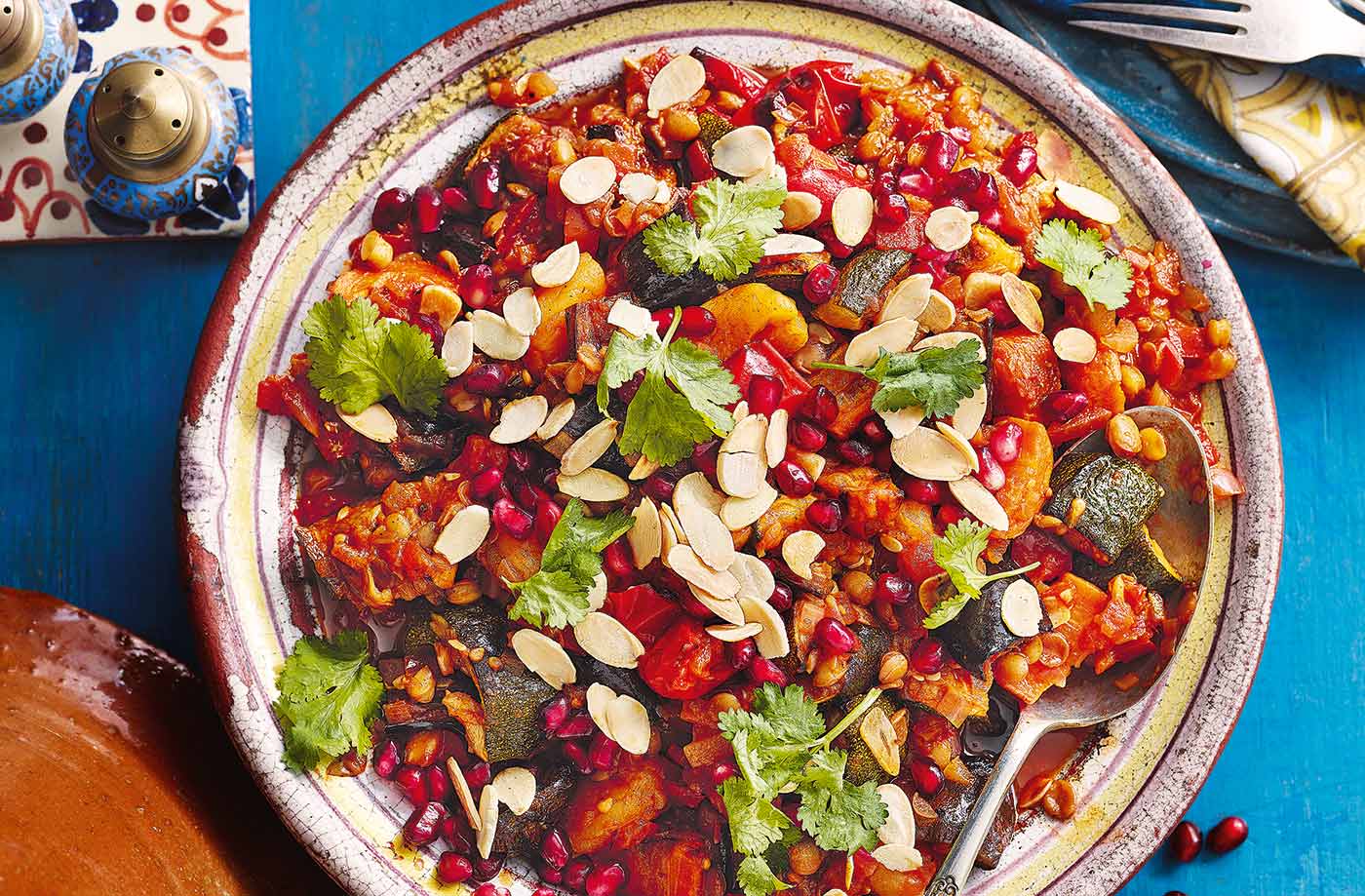
The Art of Tagine’s Legacy: A Culinary Tradition from Morocco
The Art of Tagines: A Culinary Journey Through Morocco The…

Unlocking the Potential: Exploring Language Learning Programs
The Power of Language Learning Programs The Power of Language…

Discovering Casablanca: Unveiling Morocco’s Enchanting Tourist Attractions
Exploring Casablanca: Top Tourist Attractions in Morocco Exploring Casablanca: Top…