
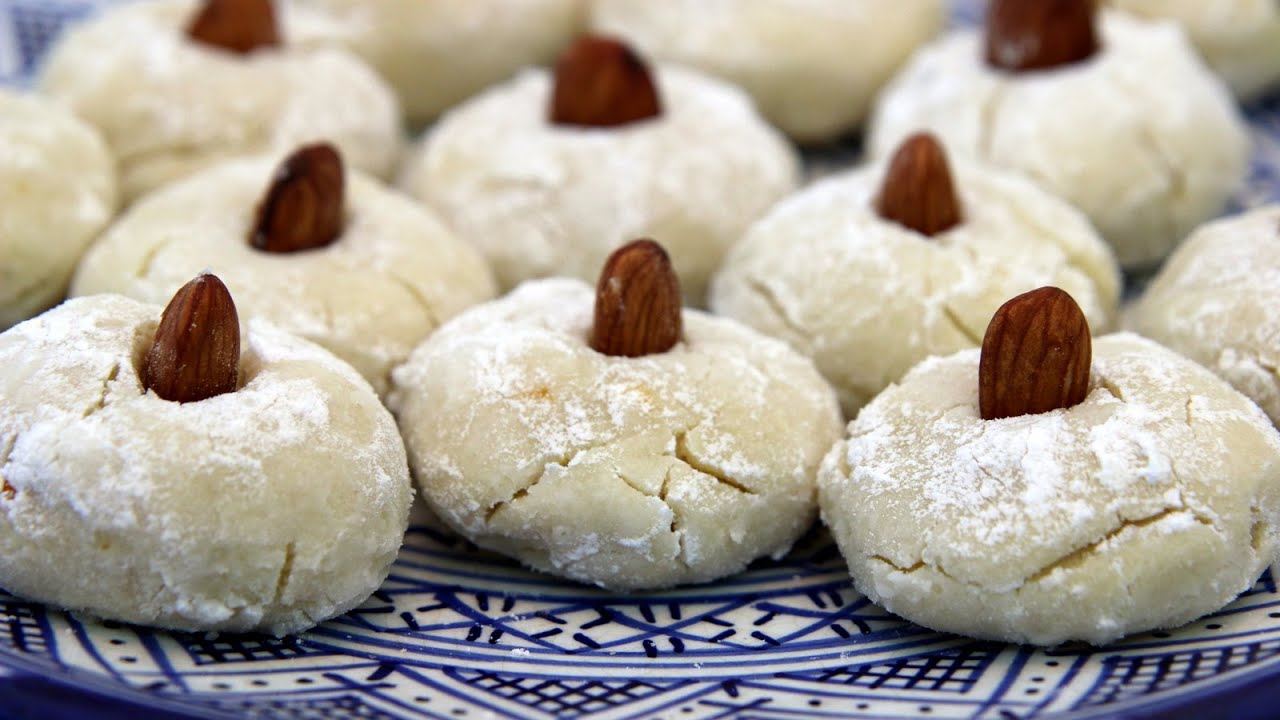
Exploring the Sweet Delights of Traditional Moroccan Cookies
When it comes to Moroccan cuisine, one cannot overlook the delectable world of traditional Moroccan cookies. These sweet treats are not just a culinary delight but also a reflection of Morocco’s rich history and diverse cultural influences.
A Culinary Tradition
Moroccan cookies, known as “Ghriba” or “Chebakia,” have been an integral part of Moroccan culture for centuries. These cookies are often prepared during special occasions such as religious festivals, weddings, and family gatherings. Each region in Morocco has its own unique variation of these sweet delicacies, making them a truly diverse and fascinating aspect of Moroccan culinary heritage.
Flavours and Ingredients
Traditional Moroccan cookies come in a variety of flavours and textures, ranging from nutty almond pastries to honey-soaked sesame treats. Common ingredients used in these cookies include almonds, walnuts, dates, honey, rose water, and an array of aromatic spices such as cinnamon, cardamom, and anise.
Preparation and Techniques
The process of making traditional Moroccan cookies is a labour of love that requires skill and patience. From hand-rolling delicate almond crescents to intricately shaping honey-drenched roses out of dough, each cookie is crafted with precision and care. Many recipes have been passed down through generations, preserving the authenticity and flavour profile of these beloved treats.
Cultural Significance
Beyond their delicious taste, traditional Moroccan cookies hold cultural significance in Moroccan society. They are often served as a gesture of hospitality to guests or as gifts during festive occasions. The act of preparing these cookies is seen as a way to honour tradition and bring people together through shared culinary experiences.
Enjoying Moroccan Cookies
Whether you savour them with a cup of mint tea or indulge in them as part of a lavish dessert spread, traditional Moroccan cookies are sure to delight your taste buds and transport you to the vibrant streets of Morocco. Their intricate designs and exotic flavours make them not just a treat for the palate but also a feast for the eyes.
Embrace the Sweetness
Next time you find yourself craving something sweet with a touch of exotic flair, consider exploring the world of traditional Moroccan cookies. Let their rich history and irresistible flavours take you on a sensory journey through the enchanting land of Morocco.
Exploring Traditional Moroccan Cookies: Names, Ingredients, and Flavours
- What is the name of the Arab cookie?
- What is the Moroccan almond cookie call?
- What are traditional Moroccan sweets?
- What does ghriba taste like?
What is the name of the Arab cookie?
The traditional Arab cookie known as “Ma’amoul” is a beloved sweet treat that holds a special place in Middle Eastern cuisine. These delicate cookies are often filled with dates, nuts, or a combination of both, and are typically enjoyed during festive occasions and religious holidays. Ma’amoul’s intricate designs and rich flavours make them a delightful indulgence that showcases the artistry and culinary heritage of Arab baking traditions.
What is the Moroccan almond cookie call?
The traditional Moroccan almond cookie is known as “Ghriba,” a beloved sweet treat that holds a special place in Moroccan culinary culture. These delicate and nutty cookies are a popular choice for various celebrations and gatherings in Morocco, offering a delightful combination of almond flavour and melt-in-your-mouth texture. Whether enjoyed with a cup of mint tea or shared among friends and family, Ghriba embodies the essence of Moroccan hospitality and tradition, making it a must-try delicacy for anyone exploring the rich flavours of Moroccan cuisine.
What are traditional Moroccan sweets?
Traditional Moroccan sweets, also known as “M’kharka,” encompass a wide array of delectable treats that showcase the country’s culinary diversity and rich heritage. From delicate almond pastries like “Ghriba” to intricately shaped honey-soaked confections such as “Chebakia,” these sweets are an integral part of Moroccan culture and are often enjoyed during special occasions and celebrations. The use of ingredients like almonds, dates, honey, and aromatic spices infuses these treats with a unique blend of flavours that tantalize the taste buds and offer a glimpse into the vibrant tapestry of Moroccan cuisine. Whether served with mint tea or as a finale to a sumptuous meal, traditional Moroccan sweets are a delightful indulgence that embodies the essence of Moroccan hospitality and tradition.
What does ghriba taste like?
Ghriba, a popular traditional Moroccan cookie, is a delightful treat that offers a unique and indulgent taste experience. Known for its rich and nutty flavour profile, ghriba combines the sweetness of almonds with a hint of aromatic spices such as cinnamon and cardamom. The texture of ghriba is often described as crumbly and melt-in-your-mouth, making each bite a heavenly sensation. Whether enjoyed with a cup of mint tea or as a standalone dessert, the distinct taste of ghriba encapsulates the essence of Moroccan culinary artistry, leaving a lingering sweetness on the palate that beckons you to savour every morsel.
Related Posts
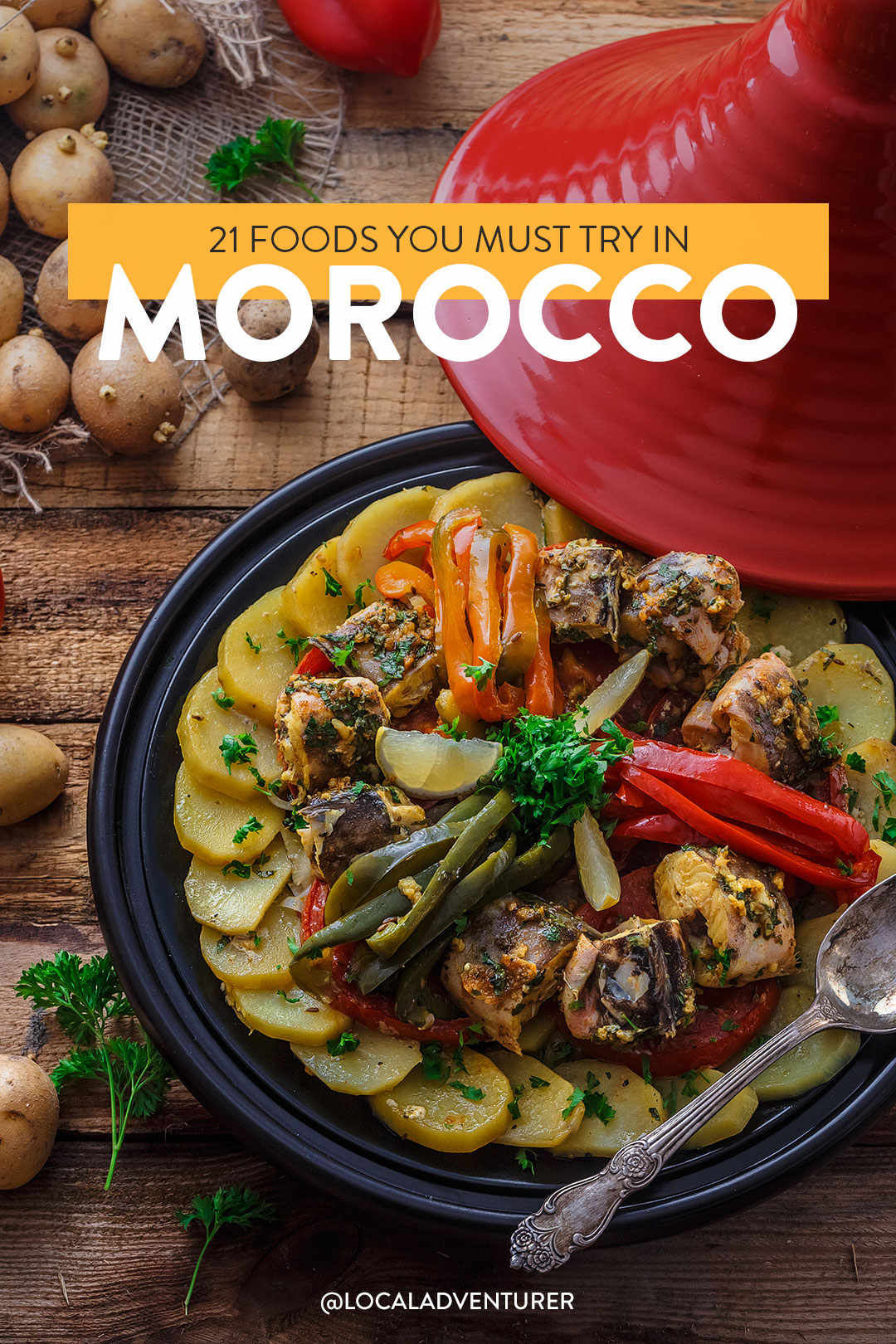
Savouring the Delights of Local Moroccan Cuisine
Exploring the Delights of Local Moroccan Food Exploring the Delights…
Exploring Exotic Holiday Destinations: A Wanderlust’s Guide
Top Holiday Destinations to Explore Top Holiday Destinations to Explore…
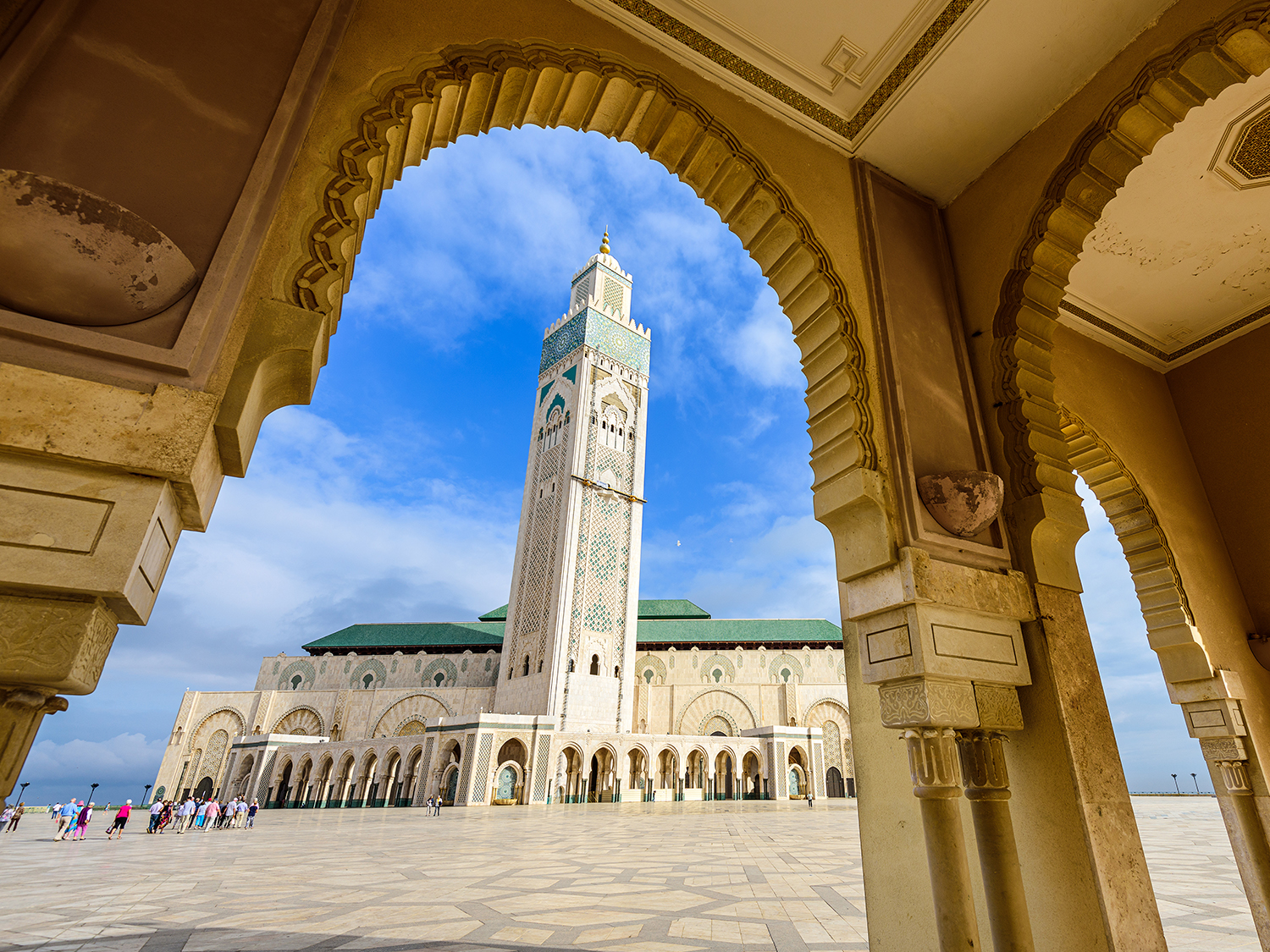
Discovering the Magic: Morocco Sightseeing Travels Unveiled
Exploring the Wonders of Morocco: A Sightseeing Adventure Embark on…