
The Rich History of Morocco’s Berber People
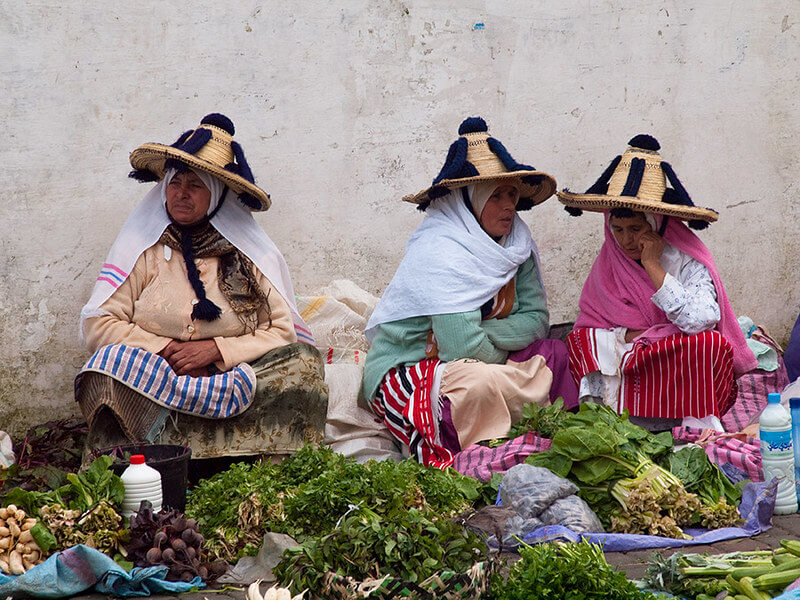
Stretching back thousands of years, the history of Morocco’s Berber people is a tapestry woven with resilience, culture, and tradition. The Berbers, also known as the Amazigh people, are the indigenous inhabitants of North Africa, including regions of present-day Morocco.
Ancient Origins
The origins of the Berber people can be traced back to ancient times when they inhabited the lands long before Arab or European influences reached North Africa. With a deep connection to the land and a nomadic lifestyle, the Berbers developed distinct languages, traditions, and social structures that have endured through centuries.
Cultural Heritage
Berber culture is characterised by vibrant artistry, intricate craftsmanship, and a strong sense of community. From colourful textiles and intricate jewellery to lively music and spirited dances, every aspect of Berber life reflects their rich cultural heritage.
Resilience and Adaptability
Throughout history, the Berber people have faced challenges ranging from invasions to colonial rule. Despite these obstacles, they have shown remarkable resilience and adaptability in preserving their identity and traditions. Today, Berber communities continue to thrive across Morocco, maintaining their unique way of life.
Language and Identity
The Amazigh language is at the heart of Berber identity. With its own alphabet and diverse dialects, this ancient language serves as a symbol of cultural pride and unity among Berber communities. Efforts to preserve and promote the Amazigh language have gained momentum in recent years as recognition of its importance grows.
Modern Influence
In contemporary Morocco, Berber culture plays a significant role in shaping national identity. From traditional festivals like Imilchil Marriage Festival to modern art exhibitions showcasing Berber creativity, the influence of this ancient culture can be seen throughout Moroccan society.
Promoting Awareness
As interest in indigenous cultures grows globally, efforts to raise awareness about the history and contributions of Morocco’s Berber people are gaining momentum. By celebrating their artistry, traditions, and resilience, we honour the enduring legacy of this remarkable community.
Exploring Berber History in Morocco: Origins, Religion, and Cultural Identity
- Are Berber Muslims?
- How did Berbers become Muslims?
- Where did Berbers of Morocco come from?
- Is Morocco Arab or Berber?
- What is the DNA of Berber people?
Are Berber Muslims?
The question of whether Berbers are Muslims is often asked in discussions about Berber history. The majority of Berbers today practice Islam, with the religion having been introduced to North Africa centuries ago. However, it’s important to note that the Berber people have a long history of diverse religious beliefs predating the arrival of Islam. Over time, many Berbers embraced Islam and integrated its teachings into their cultural practices, shaping a unique blend of traditions that reflect their rich heritage and spiritual identity.
How did Berbers become Muslims?
The conversion of the Berbers to Islam is a significant chapter in the history of Morocco’s Berber people. The process of how Berbers embraced Islam is a complex and multifaceted story that unfolded over centuries. With the arrival of Arab conquerors in North Africa, the Berbers were exposed to the teachings of Islam through trade, intermarriage, and cultural exchanges. Gradually, many Berber tribes adopted Islam, blending their existing traditions with the new faith. The conversion to Islam not only transformed the religious landscape of North Africa but also influenced the social and political dynamics of the region, shaping the identity of Morocco’s diverse population.
Where did Berbers of Morocco come from?
The origins of the Berbers in Morocco are shrouded in ancient history, with their roots dating back to prehistoric times. Thought to be one of the indigenous peoples of North Africa, the Berbers have inhabited the region long before recorded history. Their exact origins remain a subject of scholarly debate, but it is believed that the Berbers migrated into the area thousands of years ago, bringing with them unique languages, customs, and traditions that have shaped Morocco’s cultural landscape ever since.
Is Morocco Arab or Berber?
The question of whether Morocco is Arab or Berber is a complex and nuanced one that reflects the country’s rich cultural tapestry. While Morocco has a predominantly Arab population, it also has a significant Berber heritage that dates back thousands of years. The Berber people, also known as the Amazigh, are the indigenous inhabitants of North Africa, including regions of present-day Morocco. Their language, traditions, and customs have played a vital role in shaping Moroccan identity alongside Arab influences. Today, Morocco’s cultural landscape is a blend of Arab and Berber elements, showcasing the country’s diverse and multifaceted heritage.
What is the DNA of Berber people?
The DNA of Berber people, also known as the Amazigh people, reflects a complex genetic heritage shaped by millennia of migration and interaction. Studies have shown that Berber populations exhibit a diverse genetic makeup influenced by ancient populations from North Africa, the Middle East, and Europe. This genetic diversity highlights the historical connections and cultural exchanges that have enriched the Berber gene pool over time. By exploring the DNA of Berber people, researchers uncover fascinating insights into their ancestral origins and the intricate tapestry of their genetic history.
Related Posts
Savouring the Timeless Flavours: Classic Moroccan Dishes Unveiled
Classic Moroccan Dishes The Flavours of Morocco: Exploring Classic Moroccan…
Exploring the Allure of Travel in Morocco: A Journey Through Culture and Adventure
Travel in Morocco The Allure of Travel in Morocco Embark…
Savour the Flavours of Moroccan Breakfast Soup: A Taste of Morocco in Every Spoonful
Exploring the Delights of Moroccan Breakfast Soup Exploring the Delights…